MAIN CONTENT
When money transfers did not become meals
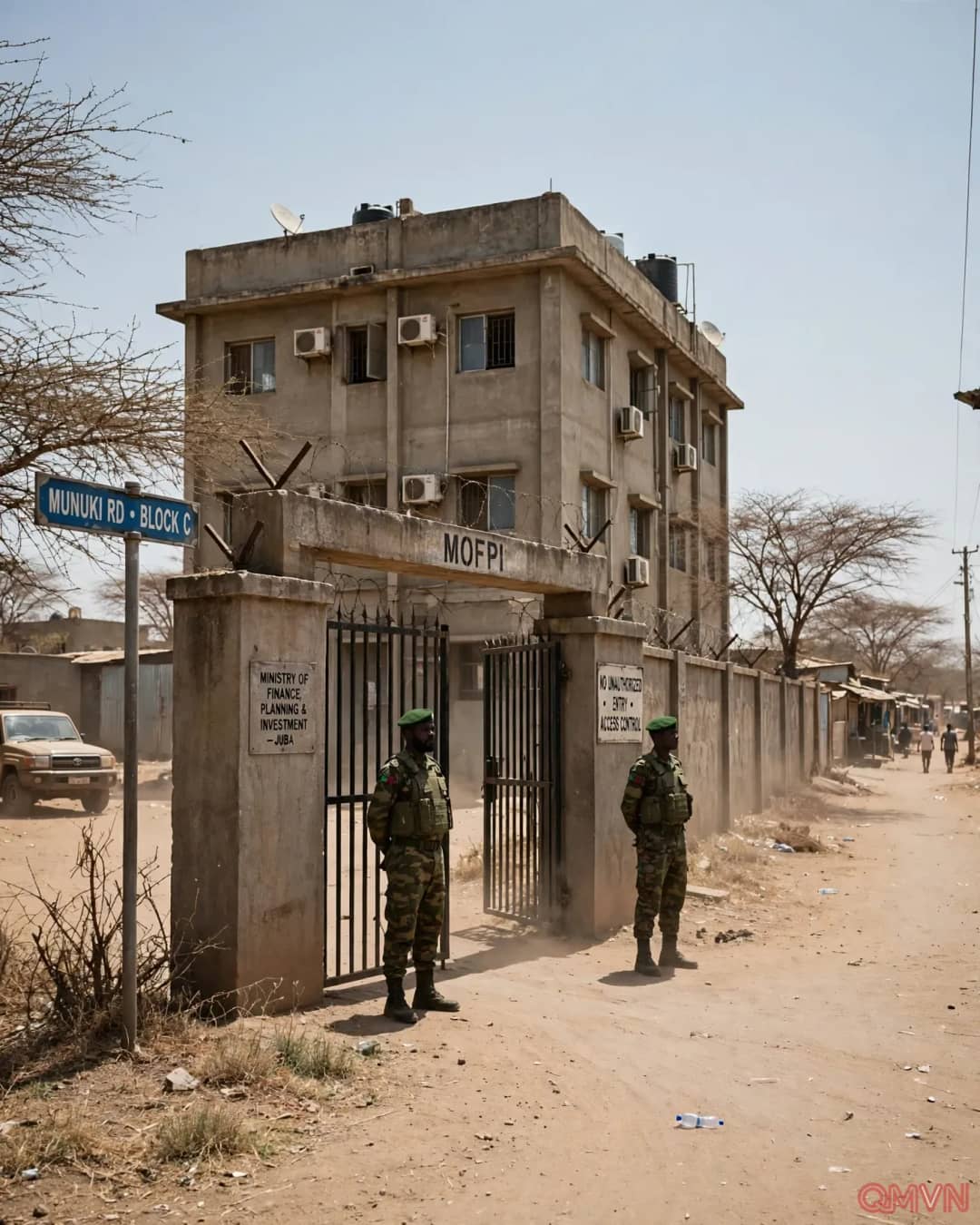
Ngoc Phan told the Associated Press that she made her first transfer to a guard in November 2025 after a lawyer alerted relatives to shortages of food in Juba. That payment was $300. Requests subsequently became more frequent: sometimes her husband was told to telephone her when supplies ran low; at other times a guard contacted her directly. She estimates that she sent approximately $4,000 for meals, water and a phone.
Tuan Phan, 44, says the purchases occasionally yielded little more than bananas, apples and peanuts. He describes stretches when detainees ate bread or rice alone, collected rainwater when drinking supplies ran out, and faced prolonged electricity outages and unusable plumbing. AP reviewed transfer receipts and conversations involving relatives of four detainees, with individual payments ranging from $100 to $1,000. The material supports the existence of the transactions, while allegations about misappropriation remain matters for independent investigation rather than established judicial findings.
Deportation to a country that was not home
In July 2025, eight people with criminal convictions were sent from US immigration custody to South Sudan following litigation over removals to countries other than a person’s birthplace or nationality. They came from several countries, including Vietnam, Mexico, Cuba, Laos and Myanmar.