MAIN ARTICLE
A weekly aid collection becomes a search through rubble
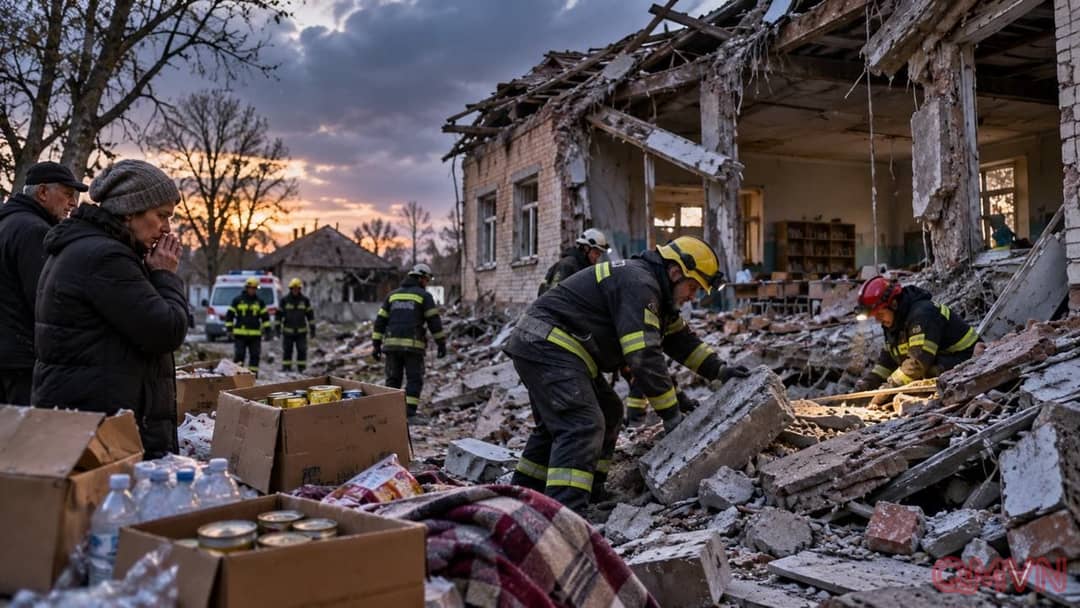
Komyshuvakha sits near the southeastern front, where ordinary life has been reorganized around the threat of bombardment. Because of the danger, the village school had stopped teaching children. Yet the building retained an essential civic role: residents used it as a shelter and collected packages of food and other necessities there each Monday. The regularity of that gathering made the location a lifeline for families unable or unwilling to leave.
According to Zelenskyy and Ukrainian emergency services, aerial bombs hit the school compound as residents arrived, with a subsequent strike hitting the shelter. Officials reported 26 deaths, including two rescue workers and four police officers, and five hospitalizations, among them two emergency personnel. Reports of those missing differed as searches continued. Early casualty figures in a disaster of this scale are provisional, especially when rescuers have yet to reach everyone under collapsed structures.
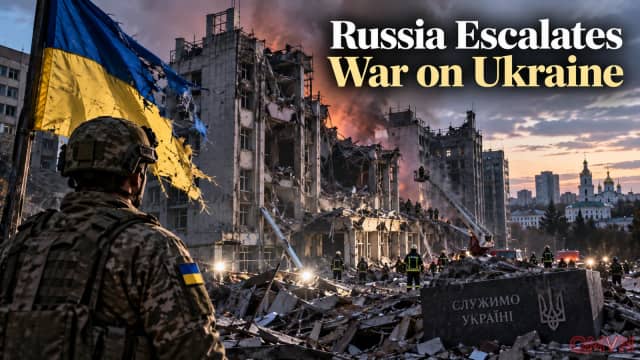
Images released from the scene showed broken concrete, smoke and rescue personnel navigating debris. The damage reaches beyond a single destroyed building. When a distribution point becomes unsafe, vulnerable residents face renewed uncertainty over how to obtain food, maintain contact with relief workers and find a reliable place of refuge. The disruption can spread through families and neighboring communities even after the immediate emergency response ends.