EU set to sanction 50 more Russian banks as France vows not to be intimidated by Moscow’s retaliation
The European Union will approve new sanctions against Russia on Monday, November 16, according to France’s Minister for European Affairs Benjamin Haddad. The list targets about 150 entities, including 50 Russian banks, as well as companies supporting the “shadow fleet” and those linked to hybrid warfare and cyberattacks. Most of the proposals came from France. At the same time, relations between Paris and Moscow have grown tenser after Russia banned two French journalists and two French lawmakers from entering the country, a move France called intimidation. The developments show that Europe continues to choose economic pressure and support for Ukraine, even as Russia–Ukraine peace talks are under way in Abu Dhabi.
Tiếng Nói QUANG MINH·2 min read · 4 min listen·12 November 2026, 04:16 EST·
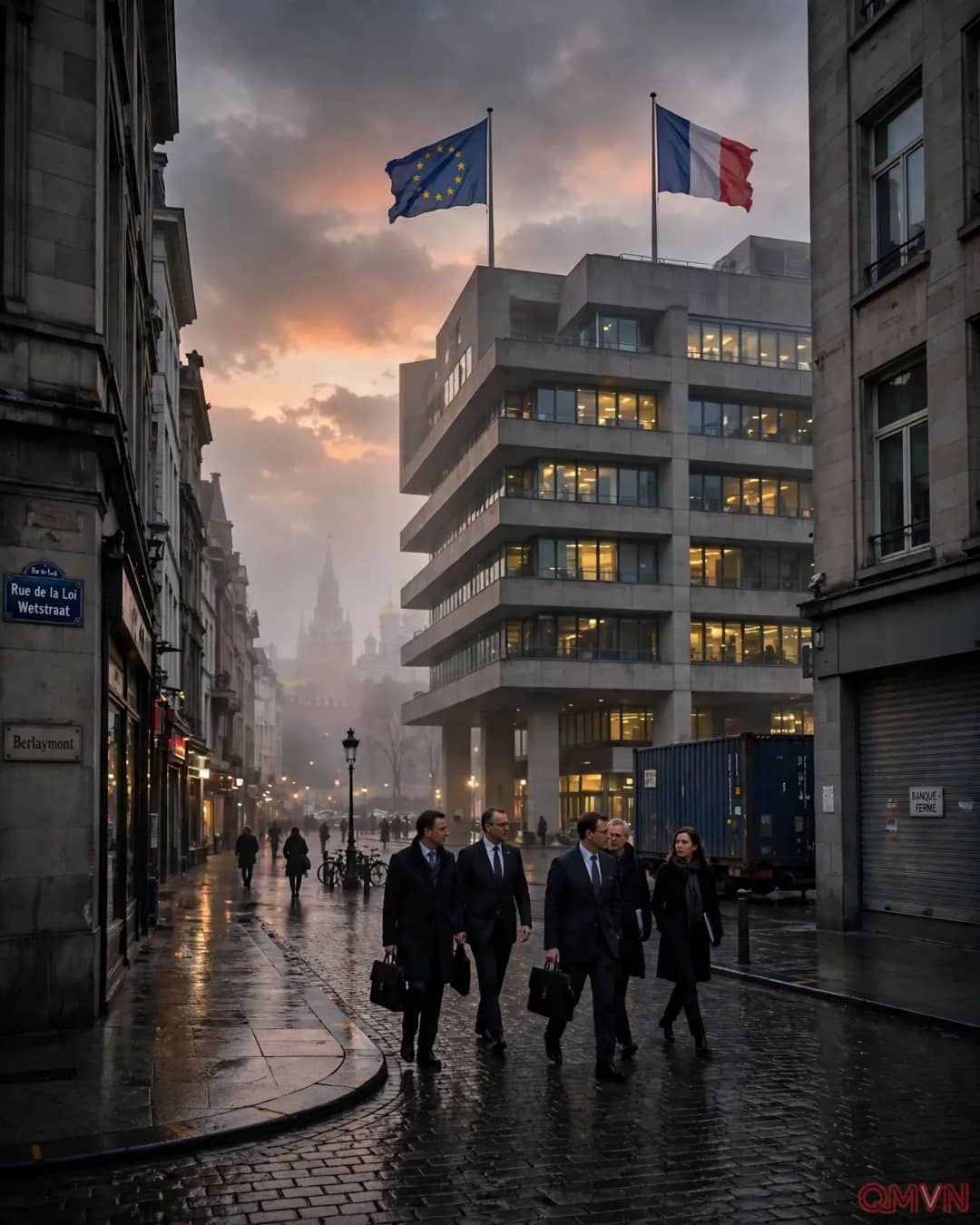
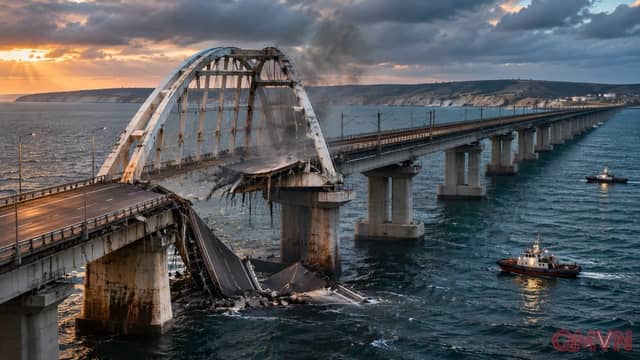
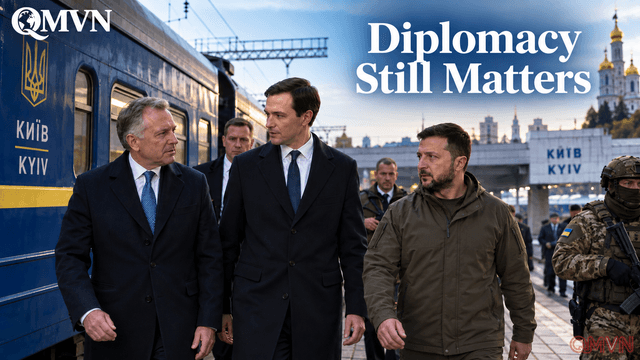
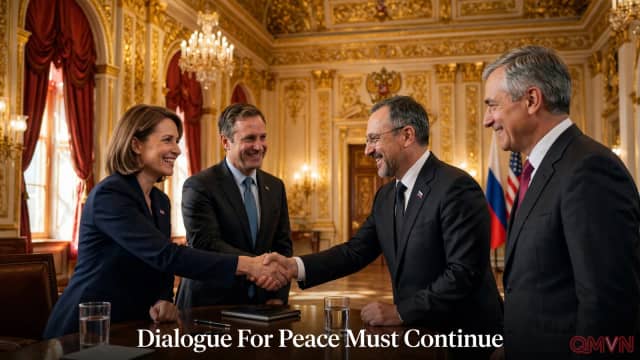
AI-generated illustration
A new sanctions round with a French stamp
Speaking on LCI television on November 12, Haddad said the EU would impose new sanctions next Monday and highlighted the leading role of Paris.
On Monday, we will take new sanctions against Russia, on 150 additional entities, 50 banks and it’s France which proposed the bulk of the entities to add.
He said Europe would continue to put economic pressure on Russia and support Ukraine.
Advertisement
300 × 250
EU ambassadors provisionally agreed on the list on November 11, and the EU Foreign Affairs Council will formally adopt it at its meeting in Brussels.
What is on the list
According to EU diplomats quoted by Reuters and Ukrainian media, the agreed list comprises about 145 individuals and entities under several sanctions regimes:
12 individuals and 101 legal entities, including 50 Russian banks, sanctioned for actions against Ukraine’s territorial integrity, sovereignty and independence.
Companies supporting the “shadow fleet” that carries Russian oil, along with energy companies and Russian business leaders.
Around 30 individuals and one entity linked to hybrid activities, plus one entity linked to cyberattacks.
Earlier, on October 12, the EU carried out its largest-ever expansion of individual sanctions, covering almost 1,600 people and entities, mainly targeting Russia’s military-industrial complex.
Diplomatic tension between Paris and Moscow
On November 11, Russia barred Le Monde reporter Ariane Chemin, freelance journalist and former Moscow correspondent Paul Gogo, and French lawmakers Sacha Houlie and Arthur Delaporte from entering the country. Haddad condemned the decision, saying the lawmakers and journalists were simply doing their jobs, notably in the fight against foreign interference.
This is intimidation. France will not be intimidated.
Foreign Minister Jean-Noel Barrot wrote on X that the Kremlin’s presentation of the ban as a response to France’s expulsion of Xenia Fedorova in July confirmed her ties to the Russian authorities. Fedorova, the former head of RT France who later became a prominent figure on CNews, Europe 1 and JDNews, all owned by tycoon Vincent Bollore, was accused by French authorities of spreading Russian misinformation.
Pressure alongside negotiations
The sanctions come as Russian and Ukrainian negotiators have just agreed to a major prisoner exchange after two days of peace talks in Abu Dhabi, although US mediators said differences remain on key issues such as territory.
Brussels has repeatedly said it will not lift sanctions until the war is fully over, and according to Ukrainian media, the European Commission rejected a US proposal to resume purchases of Russian gas as part of ceasefire discussions.
EVENT BACKGROUND
The story begins in February 2022, when Russia launched its full-scale military offensive in Ukraine and the EU responded with an unprecedented series of sanctions packages targeting Russian banks, energy, technology and elites. By July 2026, the bloc had adopted its 21st package, repeatedly adding vessels from the “shadow fleet” – ageing tankers with opaque ownership that help Russia export oil while evading the price cap. Alongside the battlefield, Europe also faces what many governments call hybrid warfare: disinformation, cyberattacks and political interference. France has become one of the toughest voices, expelling figures accused of acting as propaganda tools for Moscow. Russia has always rejected the accusations, calling the sanctions illegal and retaliating with entry bans. The core knot is that Europe believes economic pressure will force Russia to make concessions at the negotiating table, while Moscow argues that sanctions only harden its resolve, leaving the cycle of sanctions and retaliation without end.
USEFUL LESSONS FROM THE ARTICLE
Economic pressure works only when it is sustained and united.
Intimidating journalists is the quickest way to admit the power of the truth.
Sanctions and dialogue are not mutually exclusive; they are two sides of the same strategy.
Subscribe to the QMVN newsletter
A daily morning digest - only stories worth reading, no spam.