From grains to poultry and dairy: India confronts prolonged food inflation crisis threatening macroeconomic stability
India is grappling with an intensifying and protracted food inflation spiral spanning staple grains, sugar, poultry, and dairy products, as the weakest monsoon season in more than a decade curtails agricultural output across western and southern agrarian belts. Severe soil moisture deficits driven by an intense El Niño meteorological cycle have prevented millions of farmers from sowing essential winter crops like wheat and chickpeas, creating acute supply bottlenecks across the world’s most populous nation. Leading macroeconomic forecasting agencies project domestic food inflation could breach the 10 per cent threshold during the October-December quarter of 2026, eroding rural discretionary purchasing power, depressing agricultural equipment sales, and compelling the Reserve Bank of India (RBI) to implement additional monetary tightening of up to 75 basis points despite fragile economic momentum.
Edite QUANG MINH·2 min read · 4 min listen·3 November 2026, 06:32 EST·
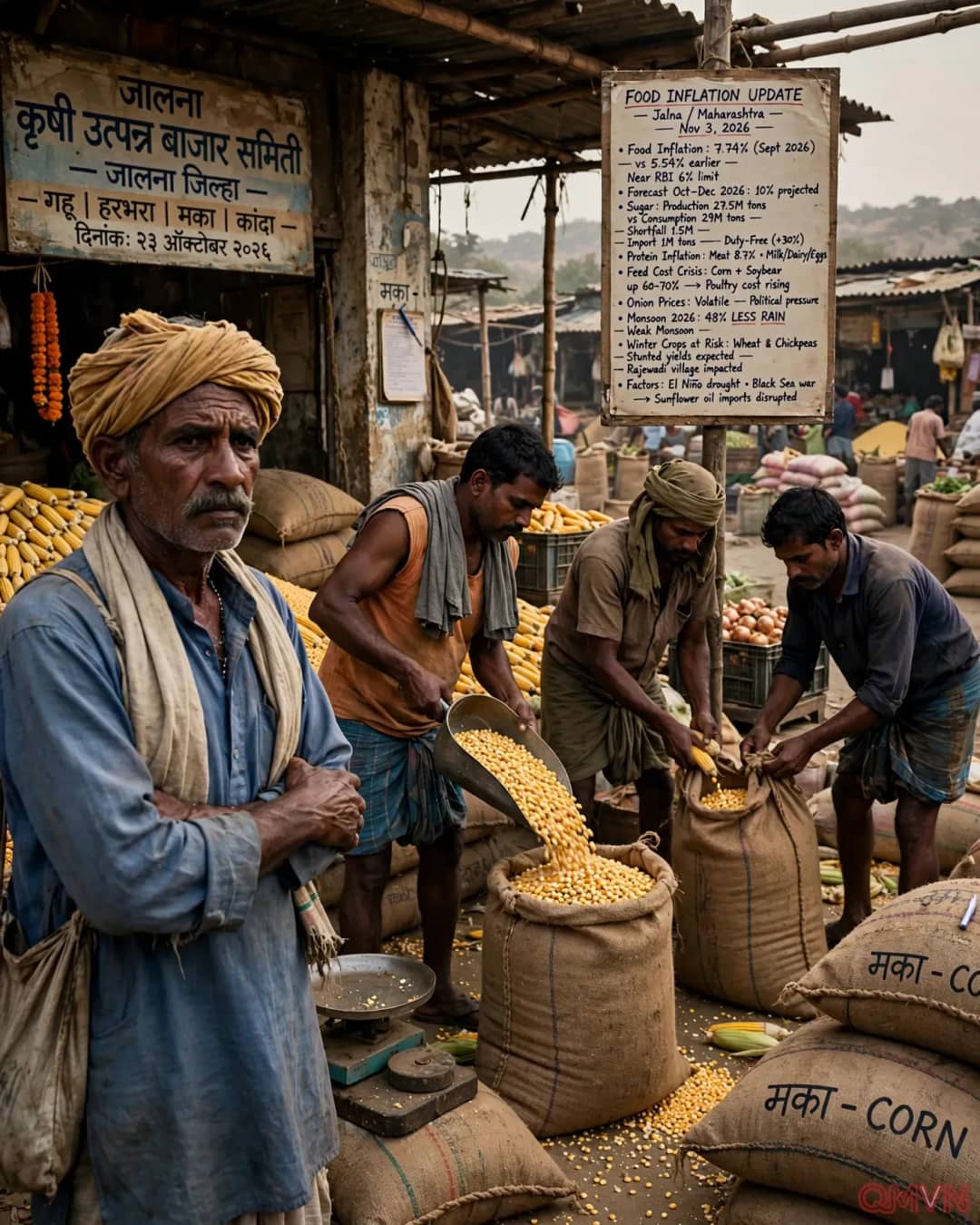
The most severe monsoon shortfall in over a decade has devastated agricultural preparedness across India’s breadbasket states. In Maharashtra’s Jalna district, precipitation plummeted 48 per cent below long-term historical baselines, leaving agrarian communities completely devoid of the soil moisture and working capital required for winter cultivation.
Advertisement300 × 250
*
"There’s not enough moisture in the soil to sow the next crop, and no money left to do so either." — Amarsingh Gushinge, 78-year-old farmer in Rajewadi village, Maharashtra
*
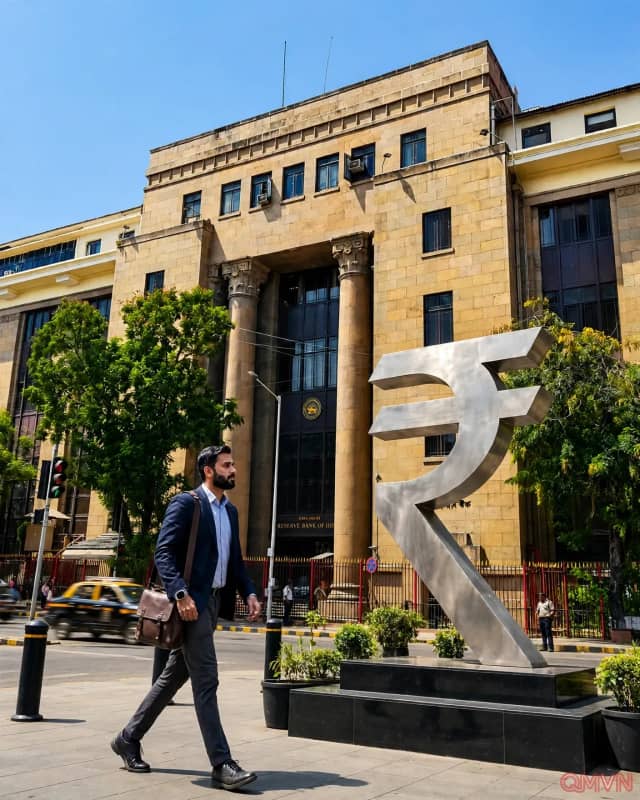
Devendra Pant, chief economist at India Ratings and Research, warned that food inflation could reach 10 per cent in the final quarter of 2026, propelled by the compounded pressures of drought, elevated international commodity prices, and persistent rupee depreciation. Following a September surge in retail food inflation to 7.74%—which lifted headline inflation to 5.54%—the central bank faces mounting pressure to deliver consecutive rate hikes in December.
Food inflation is forecast to reach 10% in the fourth quarter, approaching the RBI’s statutory ceiling of 6%.
The Reserve Bank of India is expected to raise the benchmark repo rate by an additional 50 to 75 basis points in December.
Animal protein price acceleration and the diminishing efficacy of state imports
Macroeconomic analysts identify animal protein as the primary non-transitory engine sustaining retail price pressures. With animal feed comprising 60 to 70 per cent of broiler production costs, rising prices for feed corn and soybean, compounded by severe poultry mortality during extreme heatwaves, are forcing commercial producers to pass on substantial price increases to retail consumers.
*"Prolonged protein inflation could hurt lower-income households and force them to alter their diets, with implications for long-term health." — Madan Sabnavis, Chief Economist at Bank of Baroda*
Government trade interventions face acute diminishing returns. Domestic sugar production is projected to lag national demand for a second straight year—with consumption exceeding 29 million tons against yields below 27.5 million tons—rendering duty-free import quotas of 1 million tons ineffective due to elevated global benchmarks, a weak currency, and surging maritime freight rates.
Animal feed cost inflation is driving retail poultry, egg, and dairy price indices higher into early 2027.
National sugar consumption will exceed domestic production by 1.5 million tons, with structural recovery delayed to 2028.
Elevated international prices and global supply disruptions in the Black Sea limit the cooling impact of tariff-free imports.
EVENT BACKGROUND
This agricultural and monetary crisis emerged in early November 2026 across India, where agricultural livelihoods sustain nearly half the national workforce and dictate rural consumer demand. Throughout 2026, an entrenched El Niño cycle suppressed vital monsoon precipitation across western and peninsular India, coinciding with a severe global inflationary shock precipitated by regional hostilities in the Middle East and protracted supply disruptions across the Black Sea grain basin. Historically, food price shocks—particularly in essential staples like onions, wheat, and pulses—carry explosive political repercussions in India, having previously unseated sitting state administrations during legislative elections. The fundamental crux of the dilemma lies in the exhaustion of conventional policy levers: domestic crop yields are severely depressed by unyielding climatic drought, while importing foreign reserves is rendered prohibitively expensive by an eroded rupee and elevated ocean logistics rates, forcing the central bank into aggressive monetary tightening that risks suffocating broader macroeconomic growth.
KEY LESSONS LEARNED
National economic resilience depends fundamentally on agricultural climate adaptation and decentralized irrigation infrastructure.
Prolonged inflation in essential dietary proteins inflicts irreversible public health and nutritional deficits on vulnerable populations.
Tariff exemptions on food imports provide limited price relief when international commodities and maritime logistics remain elevated.
Subscribe to the QMVN newsletter
A daily morning digest - only stories worth reading, no spam.