When fear of the future obscures harm in the present
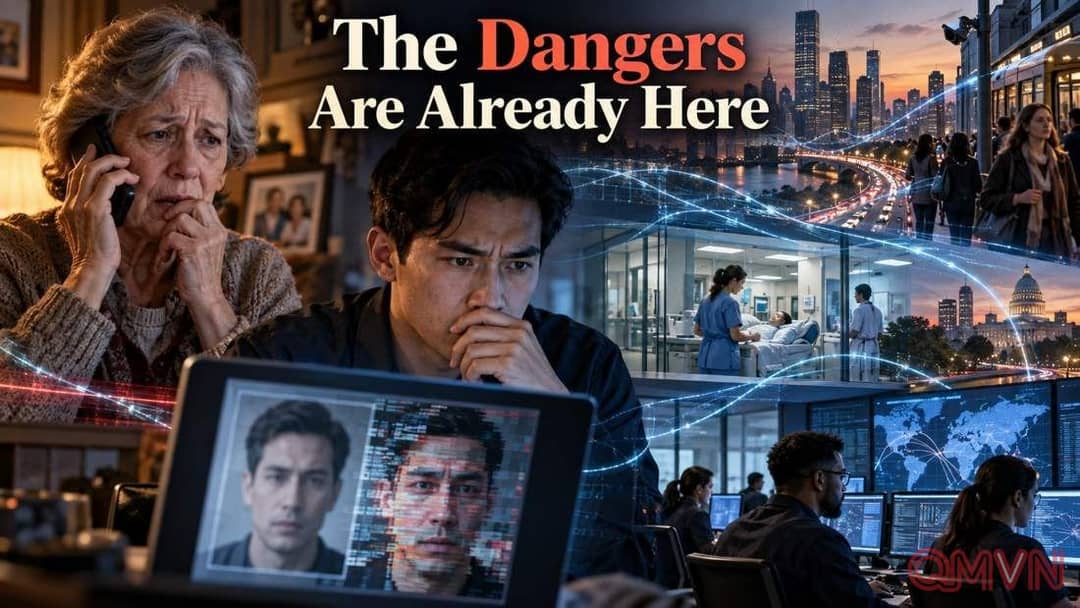
Images of machines taking over the world are compelling because they offer a visible antagonist and a dramatic ending. The Wall Street Journal article argues, however, that today’s systems do not possess the unlimited recursive self-improvement imagined in many doomsday scenarios. That does not make them harmless. A tool needs no independent will to inflict widespread damage when it is deployed without safeguards, connected to sensitive data or placed in the hands of people seeking profit, power or disruption.
An excessive focus on extinction can also distort where attention and money go. Victims of nonconsensual intimate imagery, impersonation calls or unfair automated decisions need remedies now; they cannot wait for a philosophical consensus about a distant future. A balanced approach keeps studying extreme risks while measuring current harm, listening to affected communities and requiring deployers to demonstrate safety. It treats uncertainty honestly instead of using either alarm or optimism as a substitute for evidence.
Machines are beneficial only to the extent that their actions can be expected to achieve our objectives.