MAIN CONTENT
The power to investigate has boundaries
Congressional oversight arises from lawmakers’ responsibilities to legislate, appropriate money and scrutinize federal administration. American legislators have investigated public affairs since the eighteenth century. In McGrain v. Daugherty in 1927, the Supreme Court affirmed that gathering information and compelling testimony are essential supports for Congress’s legislative duties.
When new committee chairs take office in January 2027, they can demand documents, summon witnesses and hold public hearings. Their inquiries, however, must pursue legitimate legislative ends. Congress cannot simply investigate private affairs with no connection to legislation or transform itself into a criminal prosecution agency. That distinction becomes especially contentious when a sitting president is the subject.
A narrower path to presidential records
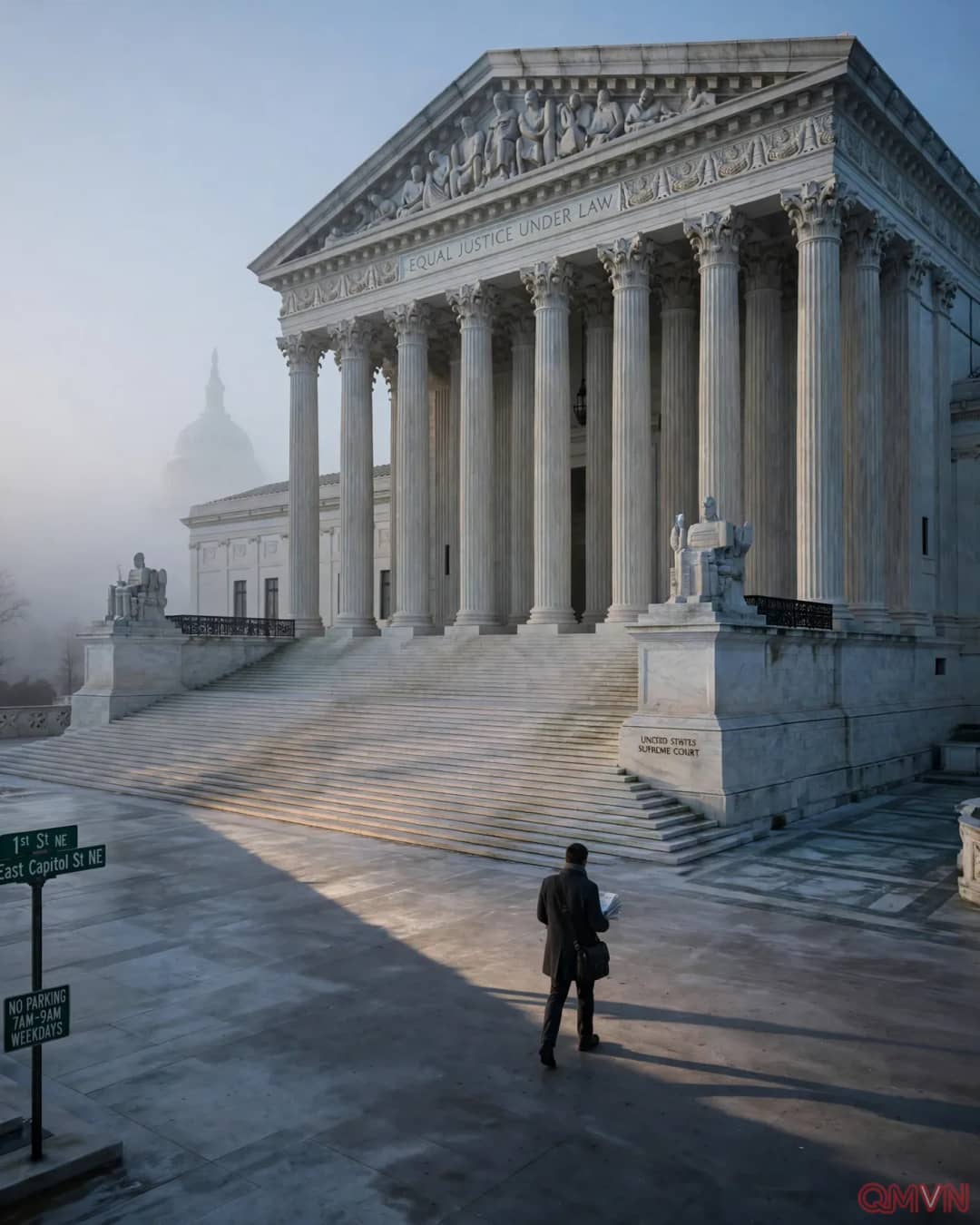
The 2020 case Trump v. Mazars USA, LLP arose from House subpoenas seeking Trump’s personal financial records from his accounting firm. The Court did not declare a president immune from congressional subpoenas. Instead, it instructed lower courts to weigh specific separation-of-powers considerations, including whether Congress truly needed presidential documents, whether its demand was appropriately tailored and whether compliance would unduly burden the presidency.