MAIN CONTENT
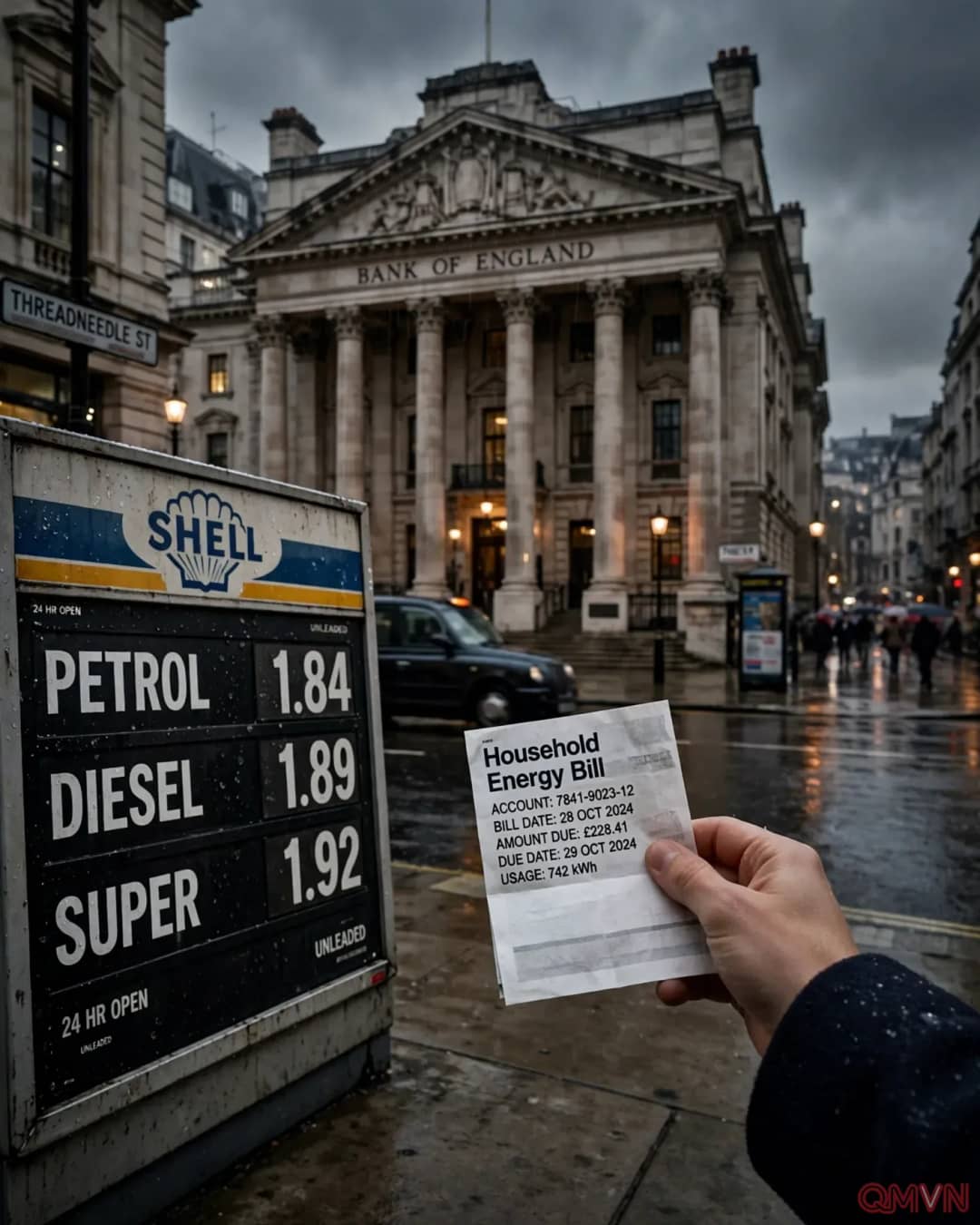
Fuel prices revive an inflation problem
The October consumer price index was 3.6% higher than a year earlier, according to the Office for National Statistics. The gain was modest in numerical terms but politically and economically consequential: inflation moved farther from the central bank’s target at a moment when living costs remained prominent in public debate. Energy and transport are especially visible to consumers because they affect commuting, deliveries and household spending almost every day.
Higher oil and gas costs linked to disruption around the Middle East and the Strait of Hormuz have been an important part of the story. The effects extend beyond filling stations: transport expenses can raise business costs, while changes in wholesale gas prices eventually influence domestic energy bills. Nevertheless, one month's headline reading does not reveal whether the pressure will persist across the wider basket of services and goods.
Why a December interest-rate rise is debated
The Bank of England’s Monetary Policy Committee voted 8–1 in early November to raise Bank Rate from 3.75% to 4%. Its next choice will involve assessing whether the latest inflation increase reflects a temporary imported energy shock or a more durable rise in domestic prices and expectations.