MAIN CONTENT
One bridge, several meanings
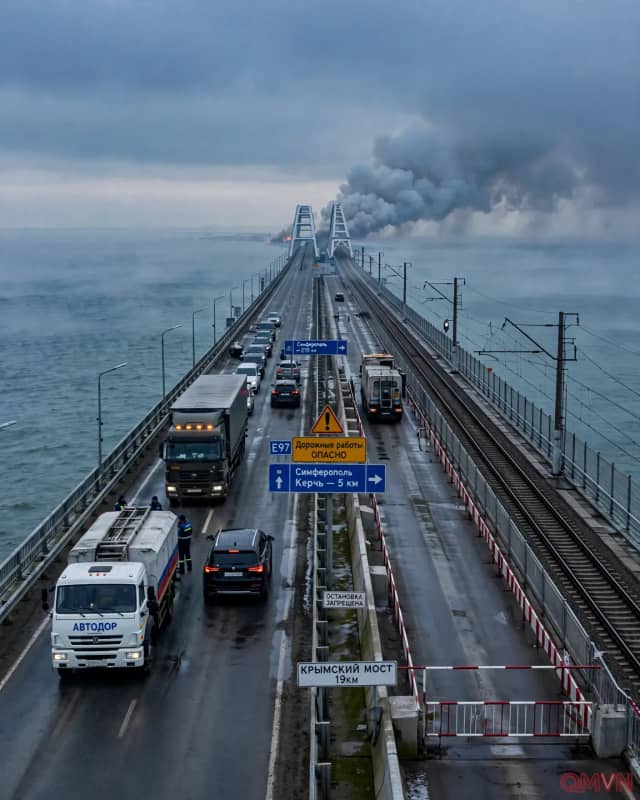
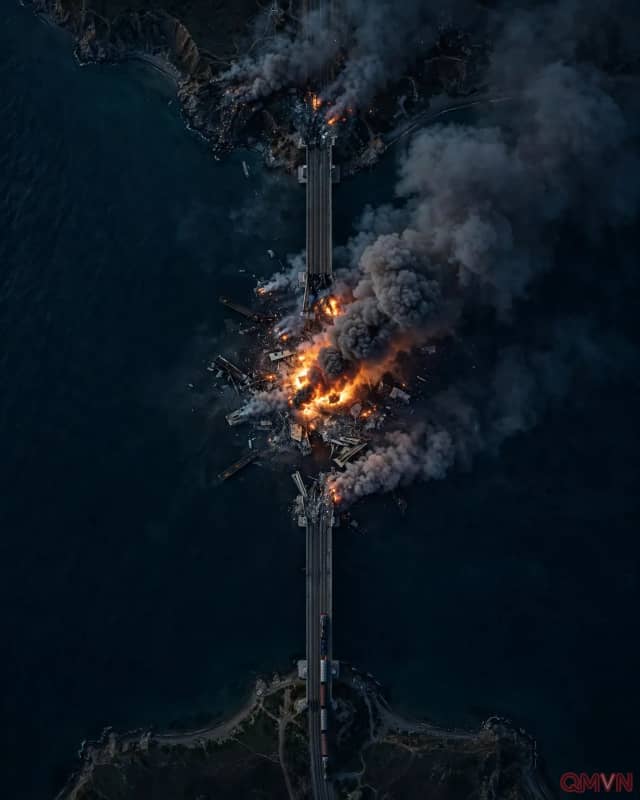
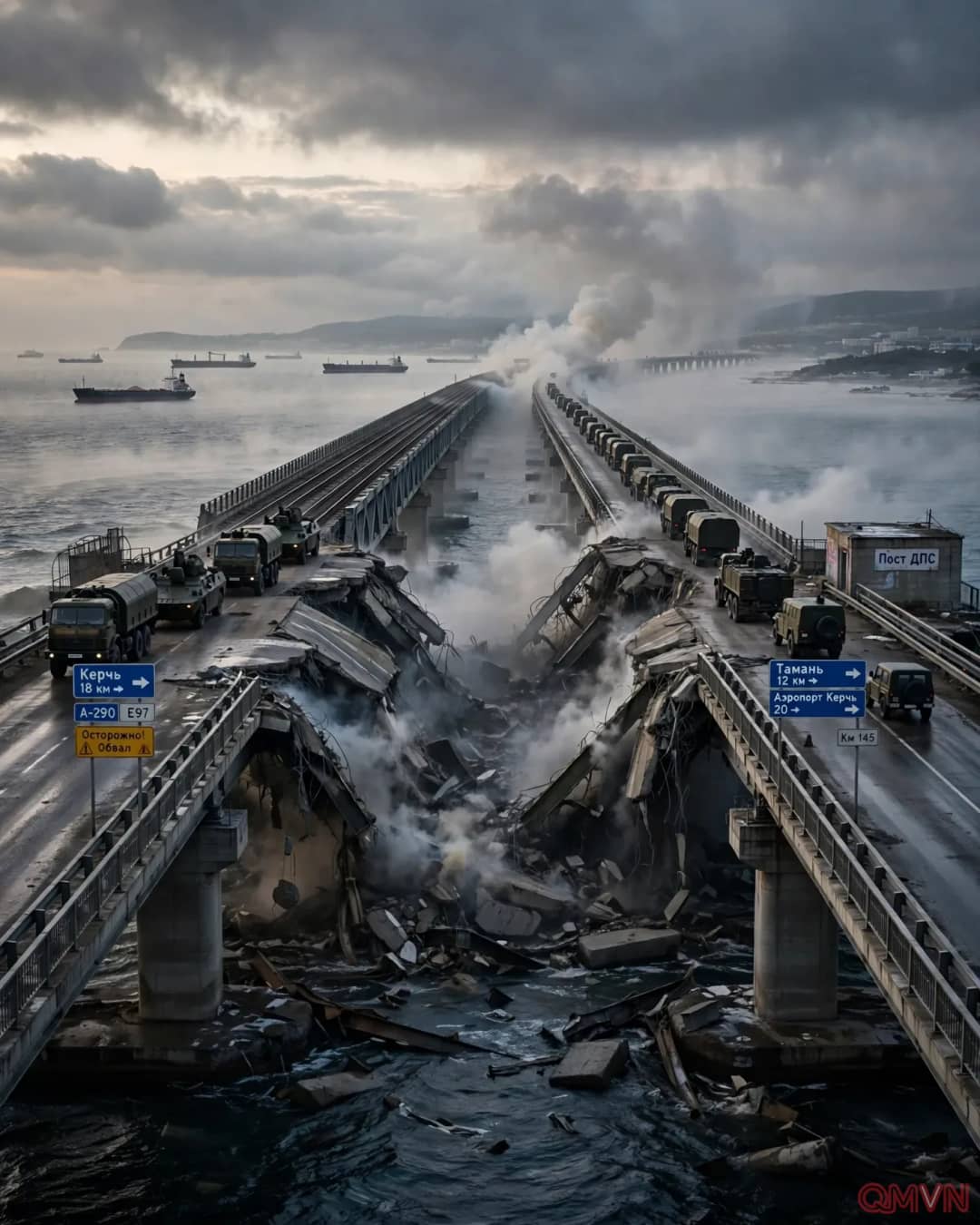
On November 17, footage released by Ukraine and geolocated by Reuters showed the central roadway arch of the Crimea bridge collapsed into the sea. President Volodymyr Zelenskiy said the operation involved the Security Service of Ukraine and other defence forces, following efforts to degrade Russian air defences and electronic-warfare systems. Kyiv presented the strike as a response to repeated Russian attacks on Ukrainian bridges, electricity networks and populated areas. That is the attacking side’s explanation; the precise sequence of weapons used and the complete structural consequences still require independent assessment.
The roughly 19-kilometre bridge is more than a transportation link. Inaugurated by Vladimir Putin in 2018, it embodies Moscow’s claim to Crimea following the 2014 annexation, which Ukraine and most of the international community reject. For Russian forces, the crossing was once a principal supply artery. A land corridor through occupied areas of southern and eastern Ukraine has since assumed greater importance. Damage to the Kerch crossing therefore does not mean that every route supplying Russian units has been severed, but it can complicate freight movements, scheduling and the distribution of military resources.
Russian-installed Crimean officials said two people had died and road traffic was halted; some rail services resumed after a temporary interruption. Kremlin spokesperson Dmitry Peskov promised a plan to restore the bridge. Deputy Prime Minister Marat Khusnullin described a government effort to assess damage and identify alternative routes. The repair timetable is shaped not only by engineering capacity but by the safety of workers, the integrity of neighbouring spans and the possibility of renewed strikes.