MAIN CONTENT
The political words behind a falling risk premium
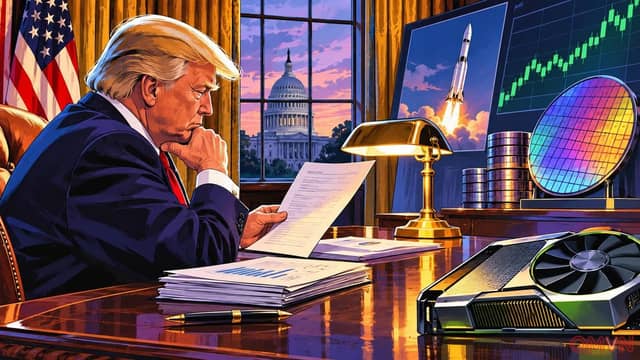
Trump said on November 8 that further US attacks on Iran were highly unlikely if talks to end the conflict kept moving forward, Reuters reported. The message mattered because he had previously raised the prospect of renewed military action after the US midterm elections. For commodity traders, even a change in presidential language can reduce the extra price attached to the possibility of interrupted supplies, before diplomatic negotiations deliver any binding outcome.
Yet restraint is not a peace agreement. Saxo Bank analyst Ole Hansen argued that the selloff reflected hopes of a US–Iran settlement rather than demonstrable progress in negotiations. KCM Trade analyst Tim Waterer similarly questioned whether the measured tone represented a lasting change in policy or another temporary turn. The distinction is crucial: a market can respond quickly to reassurance, while reliable diplomatic guarantees require far more than one interview.
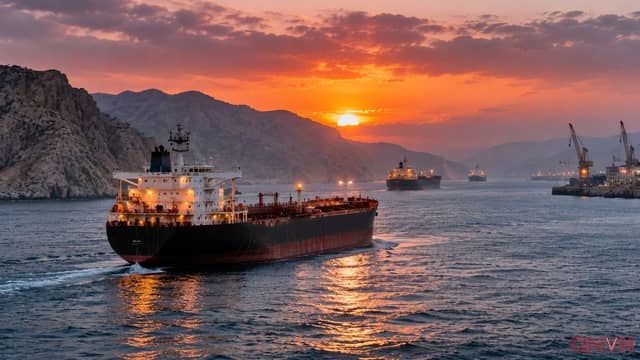
The Strait of Hormuz remains a security test
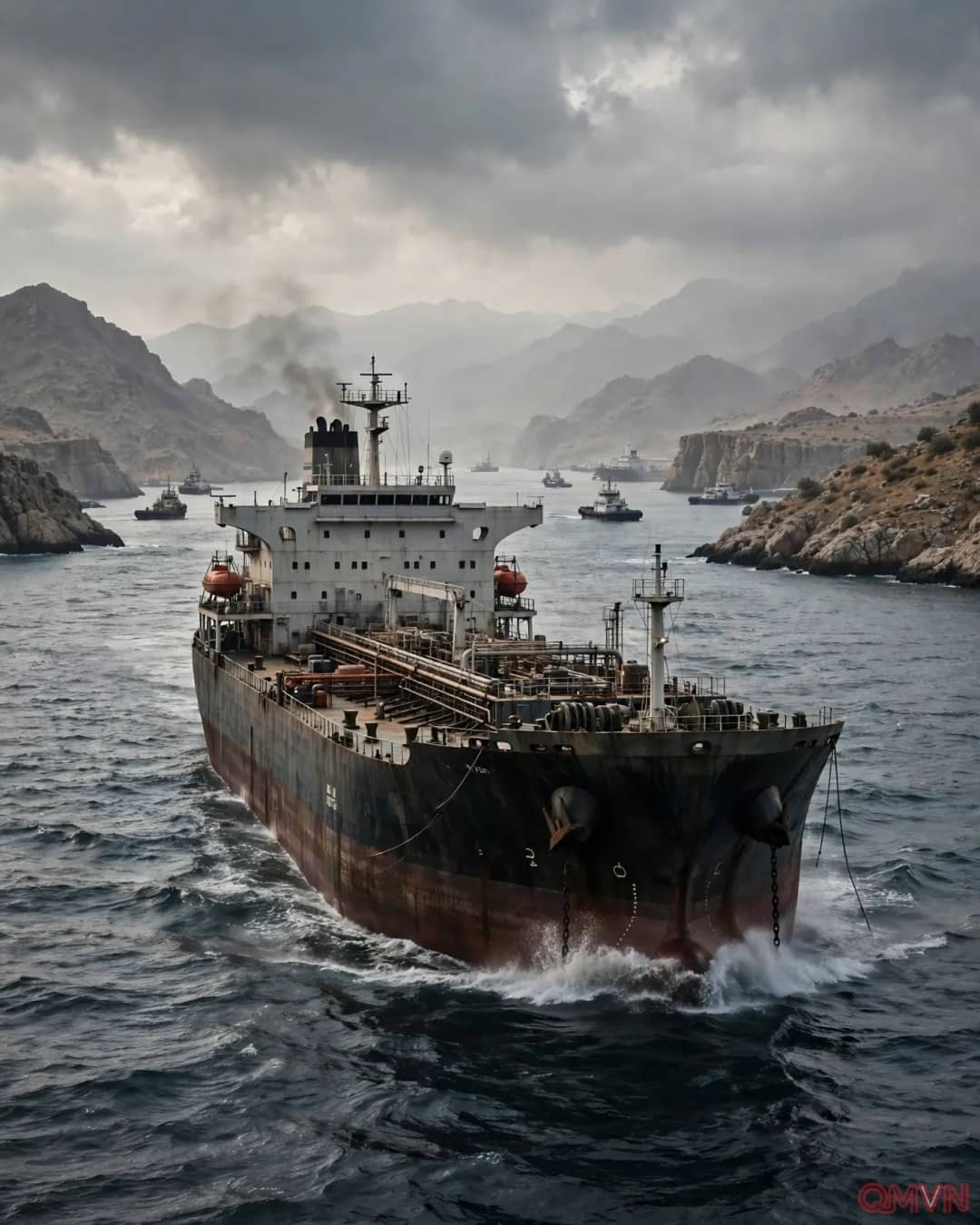
Reports of attacks involving ships in or near the Strait of Hormuz continued even as crude prices fell. The waterway links the Persian Gulf to major oil-consuming economies and remains a strategically sensitive route.