One tube of blood, many answers
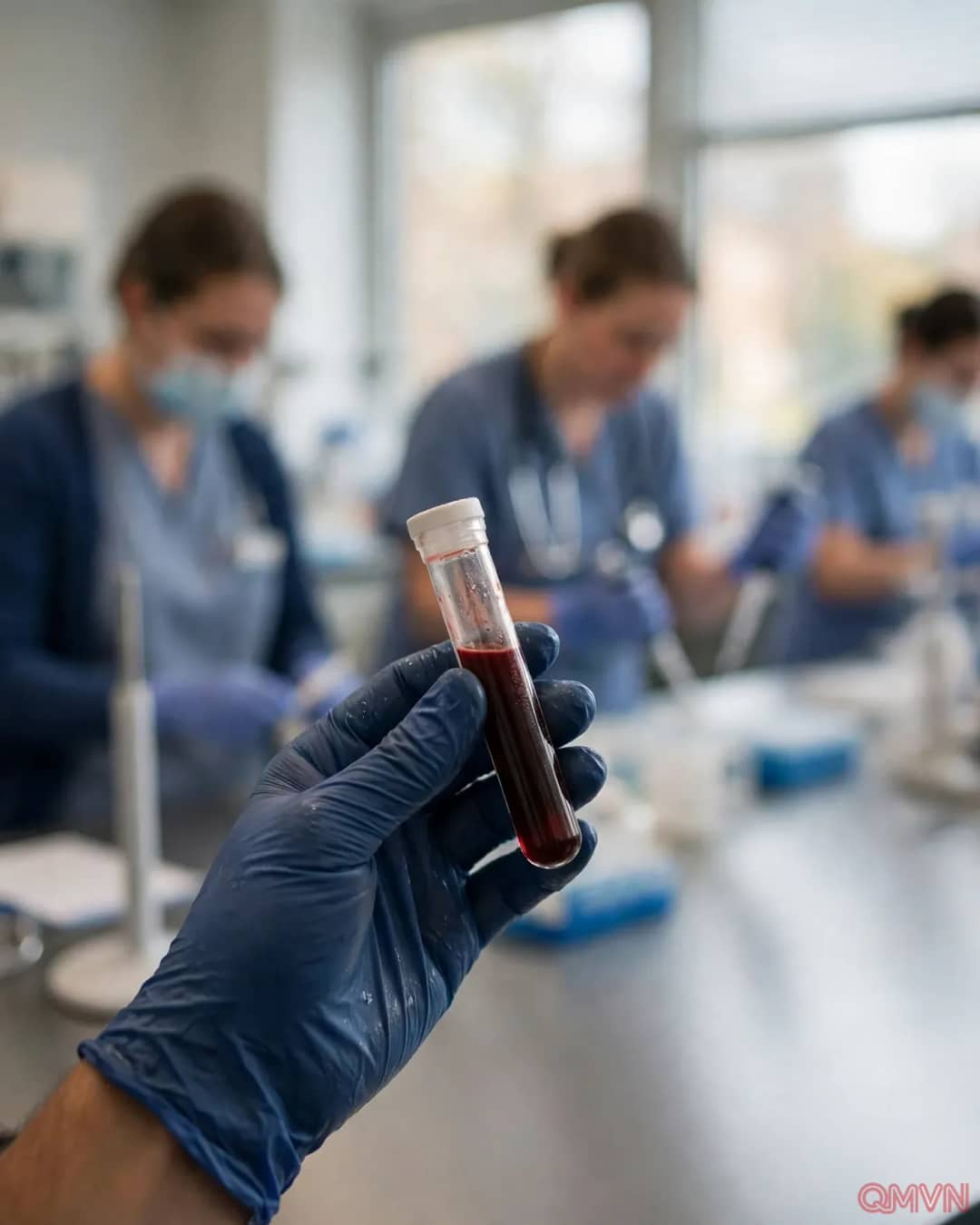
The tests, developed by the University of Birmingham and its partners, will be assessed for their ability to detect signs of several cancers in a single blood sample and suggest where in the body they come from. Most of the tests require just one or two tubes of blood, taken alongside routine blood tests at the surgery.
The aim is not to replace doctors but to support clinical judgement, helping GPs identify more quickly the patients who need urgent specialist referral. According to the University of Birmingham’s project record, the study is expected to run for about five years.
Who can take part and what the tests look for
The trial is designed to target the patients for whom early diagnosis is often hardest. The key points include:
- Eligibility: patients aged 45 and over who visit their GP with abdominal symptoms such as persistent bloating or discomfort.
- Scale: at least 200 NHS general practices in England, with more than 20,000 participants.
- Scope: 14 cancers, including prostate, ovarian, bowel, pancreatic, stomach, liver, oesophageal, kidney and bladder cancers.
- Technology: artificial intelligence and the measurement of proteins and DNA fragments shed by tumours into the blood.