Prosecco outsells champagne in French supermarkets for the first time as consumers turn to lighter, sweeter and cheaper drinks
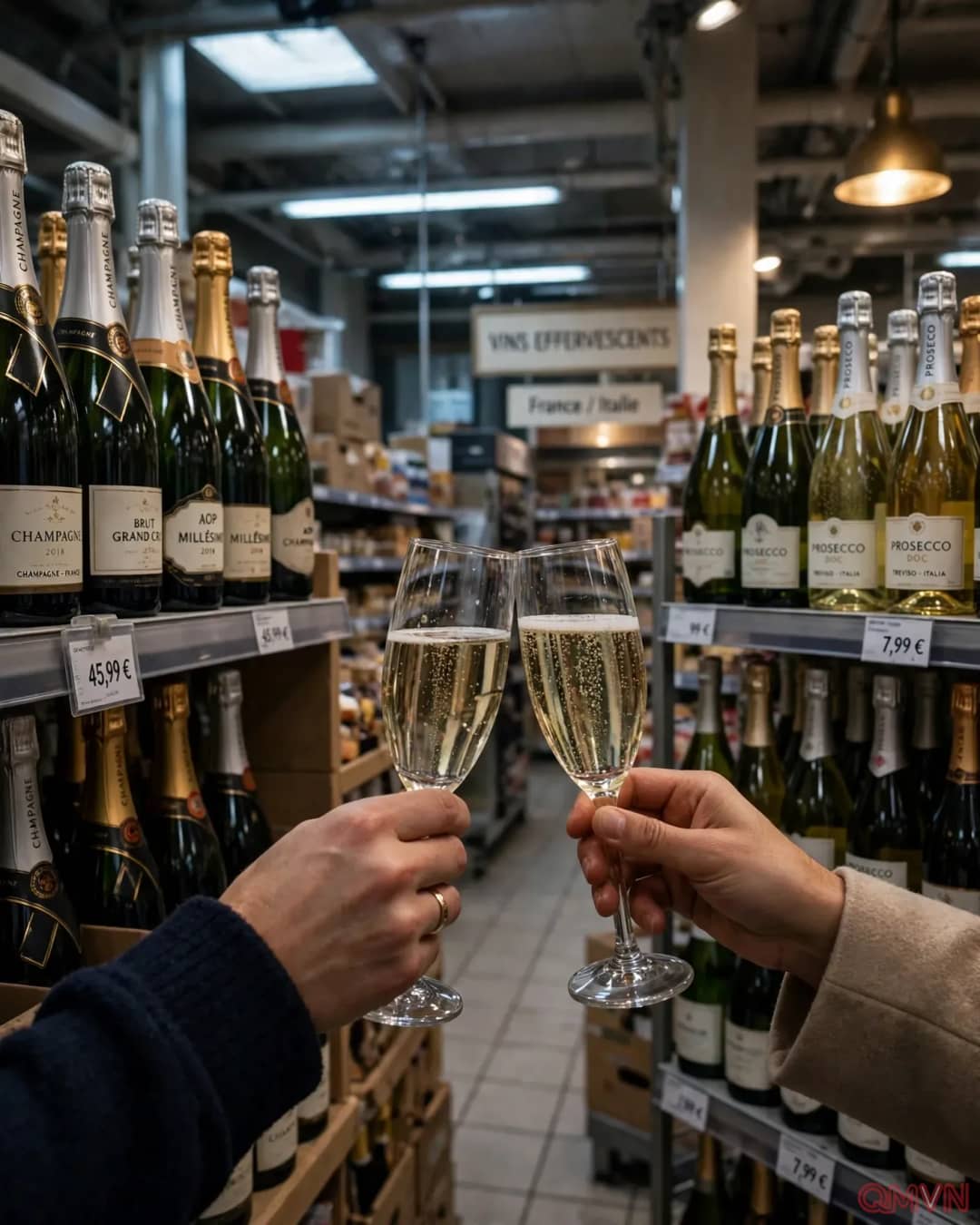
For the first time, champagne, the so-called wine of kings, has been outsold by Italian prosecco in French supermarkets, according to the trade magazine Rayon Boissons, cited by The Times. In the year to July, prosecco sales in mainstream mass retail rose 10.1% to 25.31 million bottles, while champagne fell 4.6% to 25.23 million bottles. French media called it an earthquake. Analysts point to price, with an average bottle of prosecco costing €6.24 against €24.95 for champagne, and to a taste for light, sweet cocktails such as the spritz, amid a wave of Italian food sweeping France. Champagne producers say the comparison is unfair because the two wines differ in specifications and ageing. Including bars, restaurants and direct sales, about three times as much champagne as prosecco was still uncorked in France last year.
Tiếng Nói QUANG MINH·2 min read · 4 min listen·12 November 2026, 02:07 EST·
AI-generated illustration
An earthquake
Prosecco already dominated discount stores in France and now leads in conventional supermarkets too. Key figures:
Prosecco sales in mainstream mass retail rose 10.1% to 25.31 million bottles in the year to July.
Advertisement300 × 250
Champagne sales fell 4.6% to 25.23 million bottles over the same period.
According to L'Union, the Champagne regional newspaper, prosecco supermarket sales in France have risen 173% since 2021 while champagne has fallen 39%.
In 2025, champagne orders from bars, restaurants and hotels in France fell 5.5%, while prosecco rose 22.6%.
TF1, France's most popular television channel, lamented a blow to the drink that enshrines the French art de vivre, and Le Figaro said champagne had been dethroned. Yet across all channels, about three times as many bottles of champagne as prosecco were opened in France last year.
Price and new habits
Emily Mayer of market research group Circana said price was a significant factor: the average bottle of prosecco costs €6.24, compared with €24.95 for champagne. Le Figaro said champagne was also suffering from consumer habits increasingly turning towards light, sweet cocktails, particularly the spritz, of which prosecco is an indispensable ingredient.
Italy seems particularly well positioned at the crossroads of several strong aspirations of French consumers.
She cited pleasure, conviviality and affordability, factors all the more important as many consumers' bank accounts dwindle.
An Italian food wave
It is not only French glasses but also French plates being conquered. Last year, sales of pesto rose 15% in France, mozzarella 5% and limoncello 70%. At the SIAL Paris food fair last month, there were about 700 Italian stands against only around 500 French ones.
It's not a home game any more.
The Consorzio Tutela Prosecco says France was its third-biggest export market last year, behind the UK and the US but ahead of Germany. By contrast, Italy was only champagne's sixth export market in 2025, taking 7.8 million bottles, compared with 26.5 million for the US and 22.7 million for the UK.
Champagne pushes back
Producers in the eastern French region where champagne is made sought to dismiss the figures, saying it was unfair to compare their regal bottles with an Italian commoner. Champagne can be aged for three years, while prosecco is often marketed just weeks after the harvest.
“It's not the same specifications. It's not at all the same length of ageing or production.” – Philippe Dessertenne, managing director of Nicolas Feuillatte
The champagne industry relies heavily on exports, which made up 57.1% of producers' revenue, and faces pressure from prices and shifting tastes. The question is whether a luxury name can hold its ground against a cheaper, fashionable rival.
BACKGROUND OF THE EVENT.
Champagne is a sparkling wine made by the traditional method, with a second fermentation in the bottle, in the Champagne region of north-eastern France, and is protected by strict geographical indication rules. Prosecco is made mainly from the glera grape in Italy's Veneto and Friuli-Venezia Giulia regions, usually by fermenting in large tanks, a faster and cheaper process. Over the past decade, prosecco has boomed worldwide to become the best-selling sparkling wine by volume, thanks to its affordability and the Aperol spritz craze. Champagne, meanwhile, has seen sales fall in several markets after a post-pandemic boom, amid rising production costs and tariff risks. Inflation and cost-of-living pressures have pushed European consumers towards cheaper products. Champagne's defenders stress quality and tradition; prosecco's supporters highlight accessibility. The central question is how luxury brands adapt as consumers' tastes and budgets change.
Key takeaways
Tradition cannot protect itself from changing tastes.
Affordability can win over even the proudest markets.
A fair comparison weighs quality as well as quantity.
Subscribe to the QMVN newsletter
A daily morning digest - only stories worth reading, no spam.