MAIN STORY
When medical bills turn into political decisions
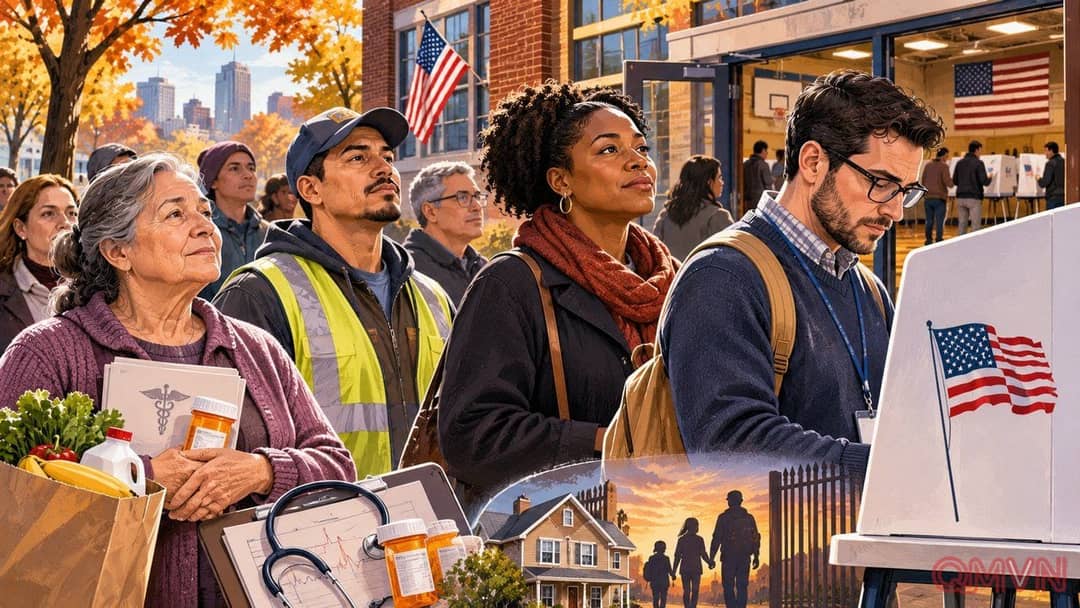
Brittani Hamlin, a 34-year-old Detroit data analyst who cares for her grandmother, backed Democrat Abdul El-Sayed in Michigan’s Senate race. Rising healthcare and medication costs shaped her decision. Social Security and affordable treatment were not abstract campaign themes but questions affecting her household. Hamlin also criticized Republican Mike Rogers, describing him as too close to large pharmaceutical companies. That was the voter’s political assessment, not an independently established finding about the candidate.
Her concerns reflected a broader national preoccupation. In a pre-election Reuters/Ipsos survey, 48% of registered voters named the cost of living as the most important factor in their vote, ahead of democratic norms or immigration. The figure does not mean every person anxious about prices chose the same party. What mattered was which political prescription voters trusted and what other risks they weighed alongside household costs.
Michigan: shared pressures, different answers
Natalia Towns, another 34-year-old Detroit resident, supported El-Sayed but focused on political authenticity. She questioned Rogers’s visit to a Black church alongside Haley Stevens, who had contested El-Sayed’s Democratic primary and later endorsed the Republican.