Targeted by pro-Russian hackers over Ukraine support, Italian Foreign Minister Antonio Tajani urges a coordinated G7 response to hybrid warfare
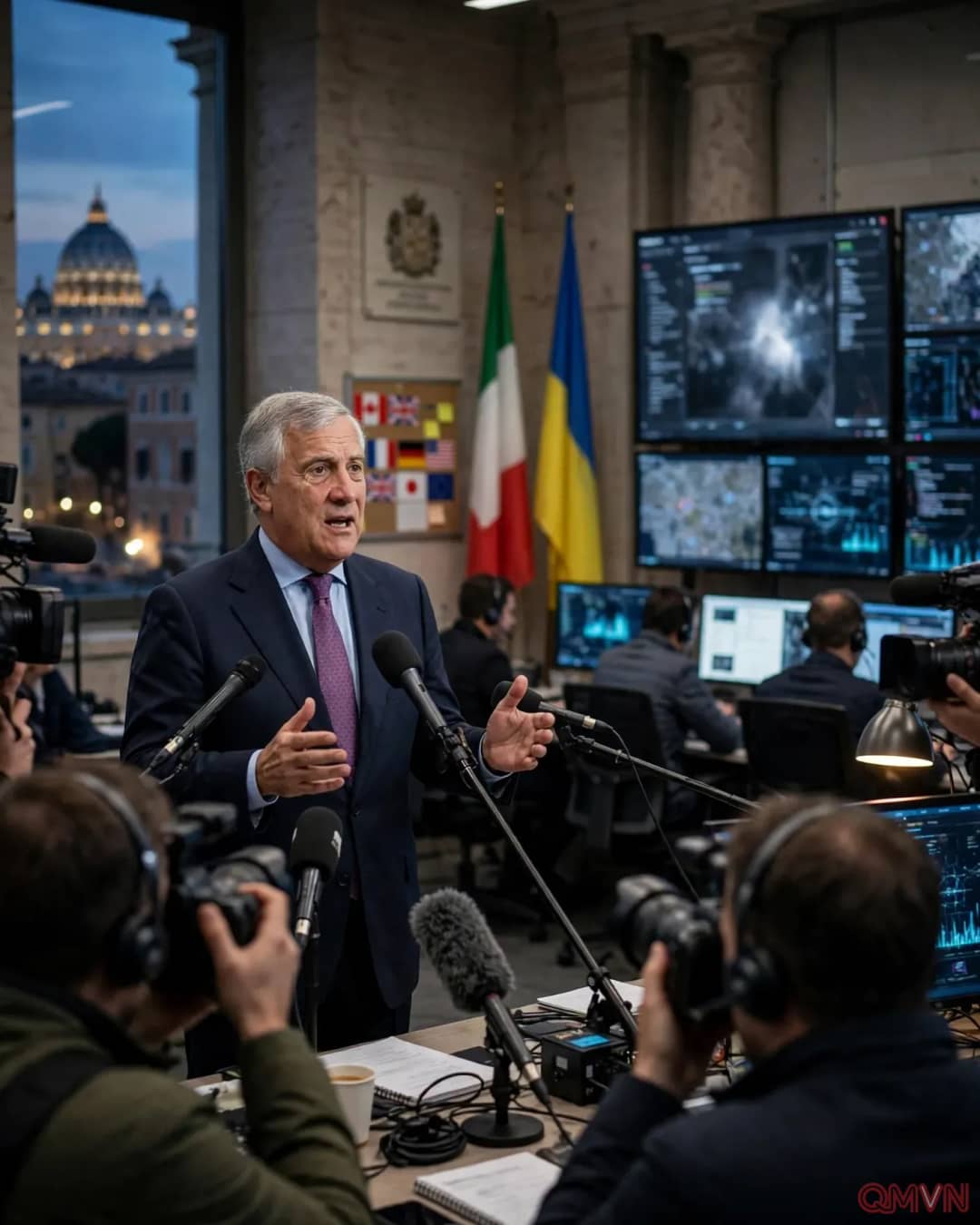
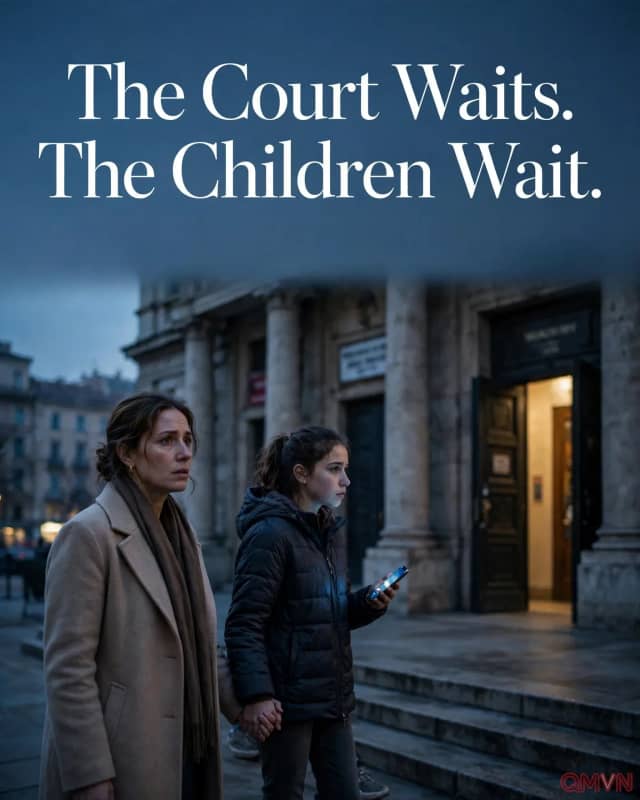
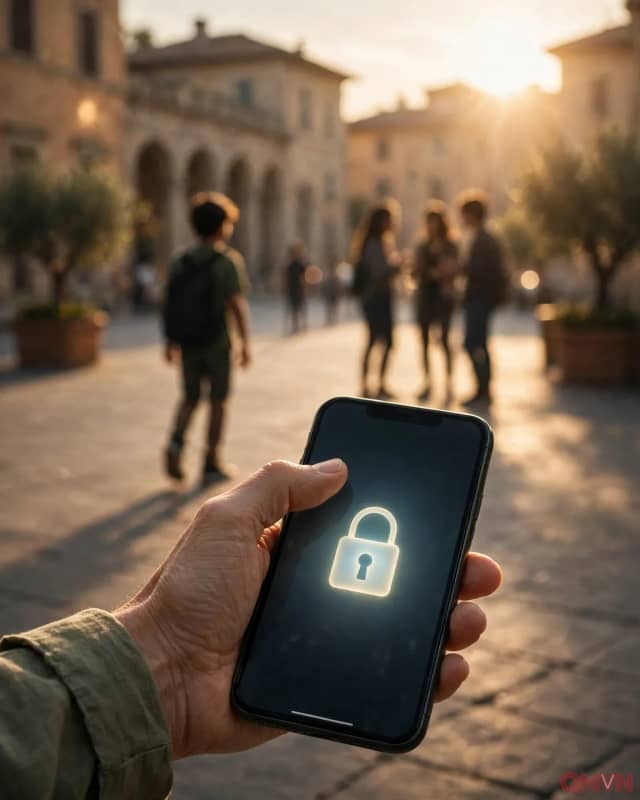
On Nov. 7, 2026, Italy’s Foreign Minister and Deputy Prime Minister Antonio Tajani said his personal data had been published on the dark web by what he described as pro-Russian hackers, linking it to the Italian government’s support for Ukraine. The same day, in a letter to French Foreign Minister Jean-Noël Barrot, Tajani urged G7 countries to put hybrid warfare and recent cyberattacks on critical infrastructure in Europe on the agenda of next week’s foreign ministers’ meeting and to seek a coordinated response. Screenshots seen by Reuters showed his picture on a list of 18 “citizens hostile to the Russian Federation.” Prime Minister Giorgia Meloni expressed her support and called the sale of confidential information on officials a matter of serious concern. Moscow has not commented, but Russia has consistently denied involvement in cyberattacks abroad.
Edite QUANG MINH·1 min read · 3 min listen·7 November 2026, 21:16 EST·
AI-generated illustration
From a personal threat to a European issue
On X, Tajani said that openly backing the freedom and independence of a sovereign state had made him a target. He said the hackers were also seeking more information about him and his family and were willing to pay for it.
He added that the attacks were also a reaction to the Italian foreign ministry’s efforts to strengthen cybersecurity.
Advertisement300 × 250
Rather than treating it as a personal matter, he raised the issue to the level of international cooperation.
An appeal to the G7
In his letter to his French counterpart Jean-Noël Barrot, host of the upcoming G7 foreign ministers’ meeting, Tajani proposed:
Putting hybrid warfare on the agenda of next week’s meeting.
Discussing recent cyberattacks targeting critical infrastructure in Europe.
Seeking a coordinated response among G7 countries.
The proposal comes after a week in which Europe faced a wave of hoax bomb threats against flights and intrusions into refrigeration systems at supermarkets and blood banks.
A list of those “hostile to Russia”
According to screenshots seen by Reuters, Tajani’s picture appeared on a list of 18 “citizens hostile to the Russian Federation,” which also included cybersecurity experts. The material was found in a section of the dark web accessible through the Tor network during monitoring by cybersecurity authorities.
A person close to the minister said further investigations were under way.
Reactions from Rome and Moscow
Prime Minister Giorgia Meloni, one of the strongest backers of Ukraine among Western leaders, expressed her support for Tajani and said the sale of confidential information about public officials was a matter of serious concern.
Moscow has not commented on the incident. Russia has consistently denied any involvement in cyberattacks or hacking operations abroad.
BACKGROUND OF THE EVENT.
The concept of “hybrid warfare,” combining cyberattacks, disinformation, sabotage and other forms of non-military pressure, has been increasingly invoked in Europe since Russia launched its full-scale military campaign in Ukraine in 2022. European governments have repeatedly blamed Russia or pro-Russian groups for denial-of-service attacks, cut undersea cables and drone incursions over airports; Moscow has always denied it. Italy under Prime Minister Meloni has firmly backed Kyiv and is finalising a new military aid package, making it a target for hacker groups. The G7, made up of the United States, Japan, Germany, France, Britain, Italy and Canada, often coordinates positions on security and sanctions, and the upcoming foreign ministers’ meeting has been moved by France from Marseille to Paris for logistical reasons. Yet attribution in cyberspace is always difficult, and deterrence depends on consensus among allies. The knot lies in turning scattered threats into an effective collective response without escalating tensions.
KEY LESSONS FROM THE ARTICLE
A threat to one person can become a wake-up call for an entire alliance.
Against invisible dangers, coordination is the strongest shield.
Protecting leaders’ personal data also protects independent policymaking.
Subscribe to the QMVN newsletter
A daily morning digest - only stories worth reading, no spam.