MAIN CONTENT
A chokepoint becomes a systemic risk
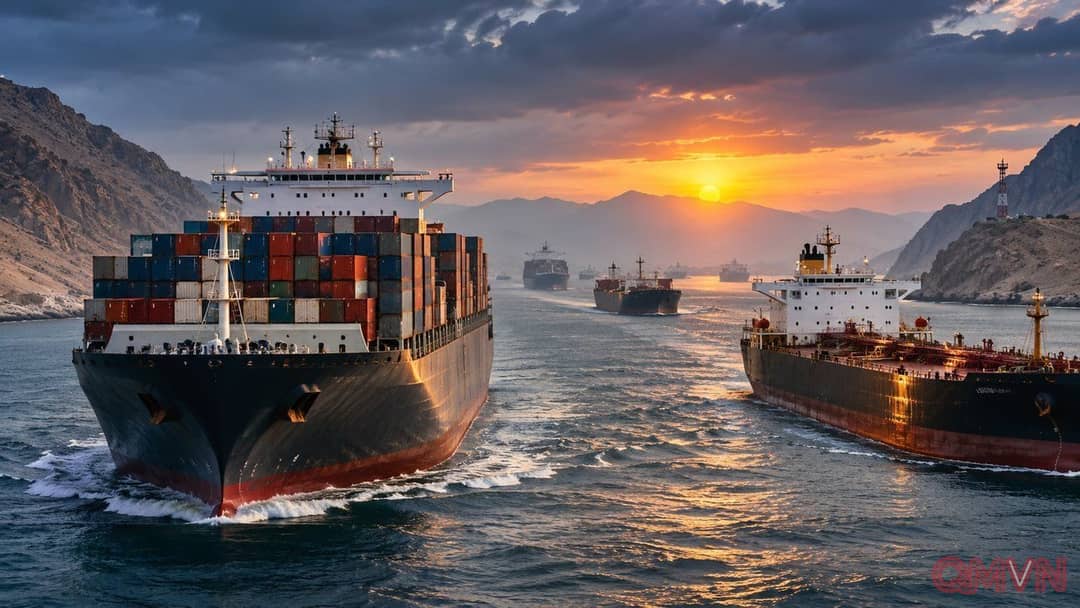
The Strait of Hormuz, linking the Persian Gulf to the Gulf of Oman, is essential to energy shipments and other trade. Threats there can affect fuel prices, container timetables and corporate inventory decisions far beyond the region. UN Trade and Development (UNCTAD) estimated that roughly 11% of seaborne trade and more than one third of seaborne oil exports pass through this strategically narrow corridor.
On November 11, 2026, the International Maritime Organization (IMO) said it had verified more than 130 attacks on internationally trading commercial vessels in Hormuz since February 28. These are not abstract probabilities for captains deciding whether to sail. Operators must weigh voyage length, insurance, legal obligations, vessel security and their responsibilities to the crew.
Speaking in Hong Kong, Denholm described the geopolitical atmosphere as the most unstable of his long shipping career. His judgment does not mean every passage is blocked. It highlights something subtler: crises now follow one another so quickly that businesses have little time to recover from one shock before preparing for the next.