Bamita's last night
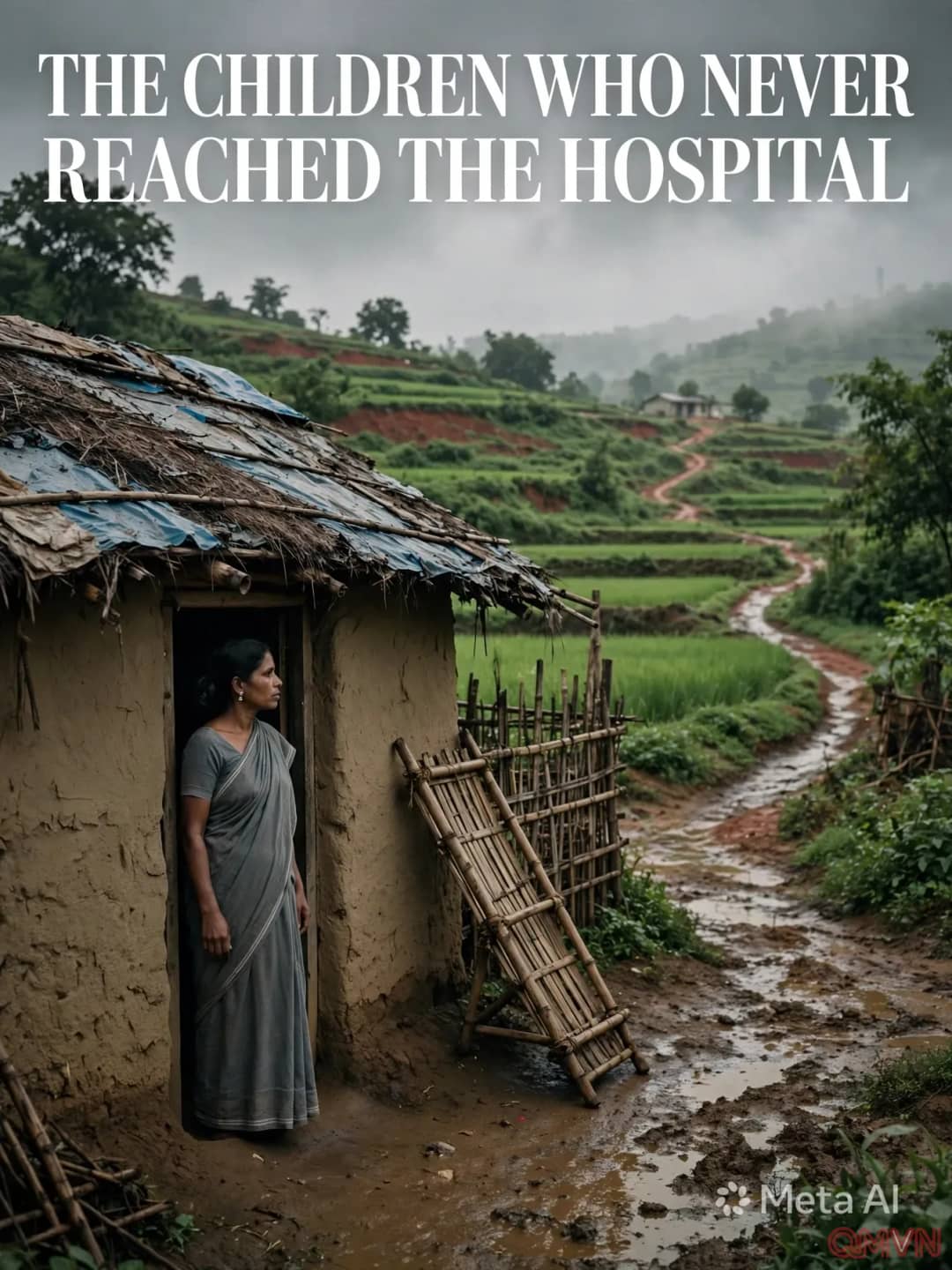
At about 3 a.m. one morning in May, 3-year-old Bamita Markam began convulsing. She had had a high fever for days and red sores on her body. Her mother, Koushila, had taken her to a doctor, who prescribed an ointment. Bamita seemed to recover, then fell ill again. A faith healer called to Matla village gave her syrups and tablets, to no avail. By dawn, Bamita was dead.
That night it rained heavily, the tracks were muddy and slippery, and the family had no way to get her to a hospital. They buried her in the jungle after midday. Her 6-year-old sister, Ankita, keeps asking where she went, and has been told what many children here are told: "The goddess has arrived."
If I was able to take her to hospital she might have lived.
When disease meets poverty and distance
Officials believe eight to 10 deaths were linked to measles and roughly another 10 to malaria, with many children suffering more than one infection. Tests by the National Institute for Research in Tribal Health found six of 10 samples positive for measles.