MAIN ARTICLE
A camera that changes the social contract
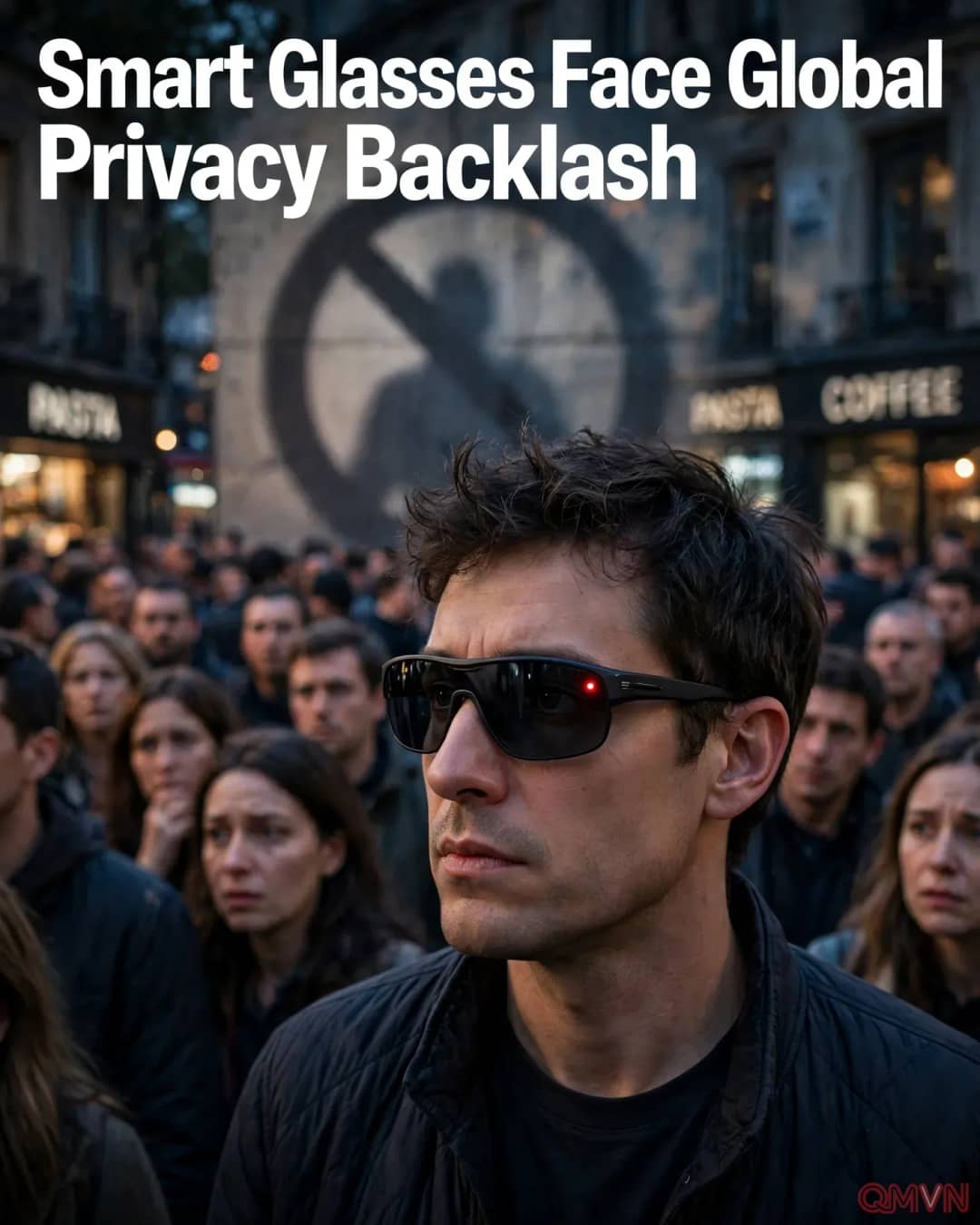
A smartphone can record strangers, but its camera is often visible and its use recognizable. Smart glasses place the recording apparatus at eye level, inside an object people already regard as ordinary clothing. A conversation, a school corridor or a confidential document may enter a digital system before anyone nearby realizes a device is active. This asymmetry explains why regulators focus on the people around the wearer, not only on the customer's choices.
The advantages are real: hands-free navigation, communication and assistance can help workers and people with disabilities. Yet those benefits do not remove responsibilities about purpose, retention, access and notification. A tiny recording indicator may be insufficient where strangers cannot see it or understand what the device is doing. The essential policy question becomes which settings call for a precautionary rule and which can be governed through design safeguards and ordinary privacy law.
Different countries, different boundaries
Australia's federal government said in September that it was seeking advice on whether camera-equipped glasses should be restricted in public-service workplaces, including possible exemptions. In England and Wales, rules against unauthorized images and video in courtrooms have led to prohibitions on Meta smart glasses.