MAIN STORY
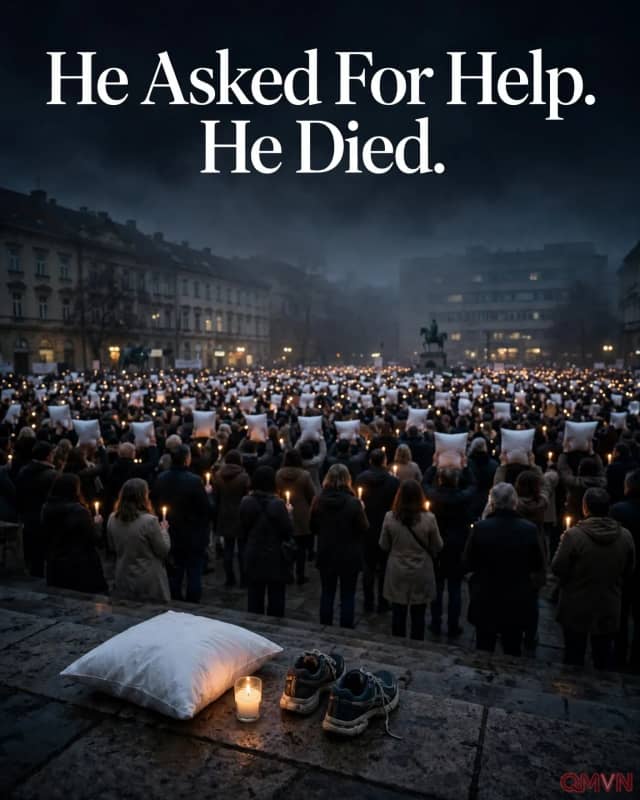
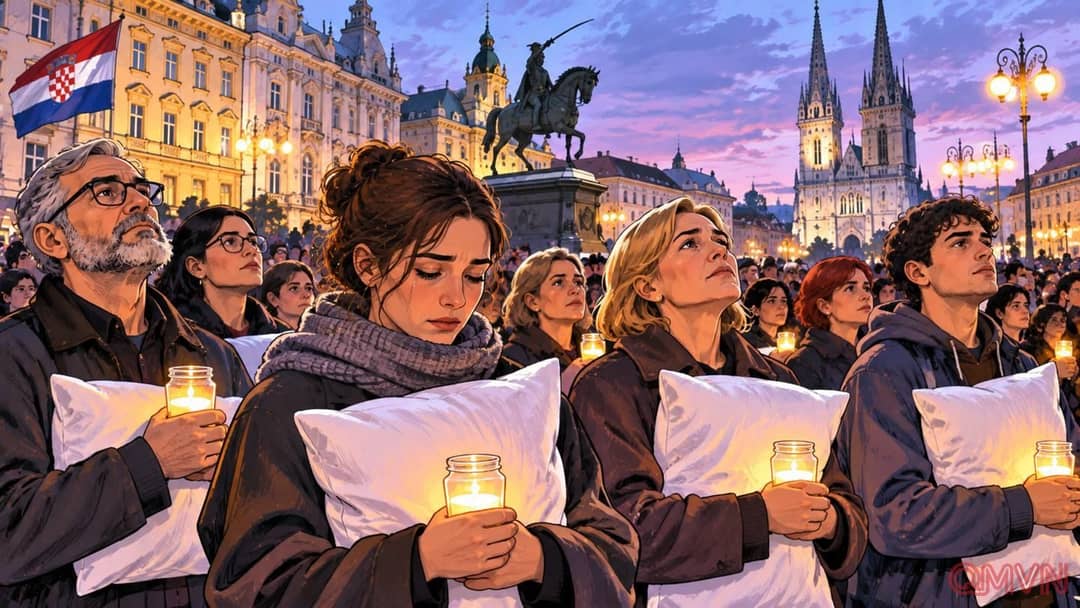
White pillows and candles fill the square
On the evening of November 21, Zagreb's Ban Jelačić Square became a place of mourning and protest. Candles glowed alongside white pillows carried by demonstrators, a stark reference to the surveillance images that shocked the country. Reuters reported thousands at the capital's gathering, while Croatian media described a separate march of roughly 1,000 people in Rijeka. The gatherings were expressions of grief, but they were also a demand that public institutions provide answers.
Participants called for accountability for what happened to Periš and for stricter safeguards governing psychiatric treatment. Their concern reaches beyond a single hospital: when patients cannot easily leave or challenge decisions made about them, trust in professional judgment and independent oversight becomes essential. A medical institution must be a place where someone in distress can expect protection rather than fear.
Mirna Strugar, who attended the Zagreb protest, told Reuters that watching the surveillance footage had left her shocked. The force of such images can bring scrutiny to events that might otherwise remain unknown. Yet the public's understandable anger also increases the importance of careful investigation, because shocking footage must be assessed alongside medical findings, testimony and other evidence.