Raised in Brooklyn, near what was once called “Murder Avenue”
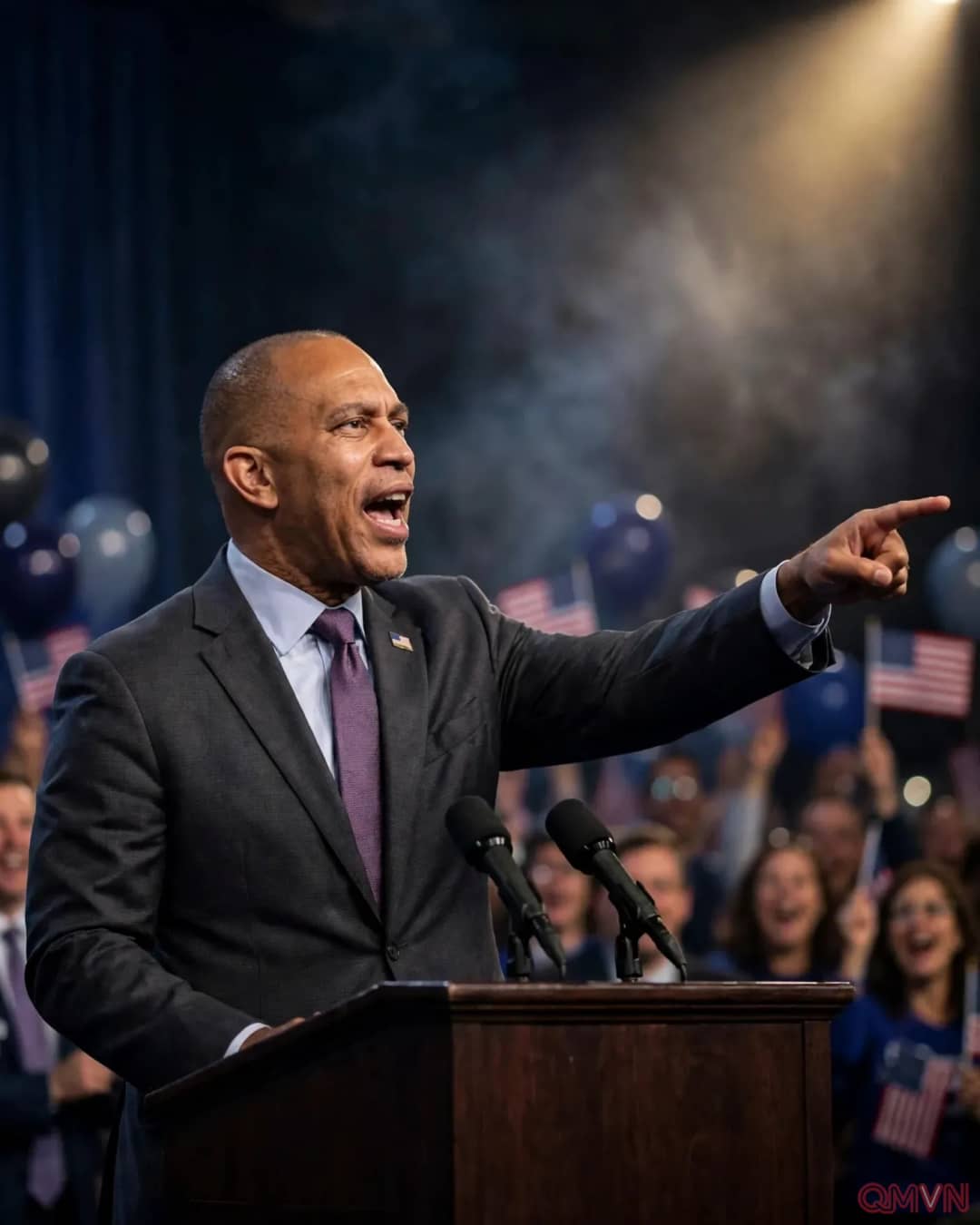
Jeffries grew up in a working-class home in Brooklyn’s Crown Heights in the 1980s, when the neighbourhood was both a hub of Black activism and plagued by crime linked to the crack epidemic. His father was a substance abuse counsellor and his mother a social worker. The churchgoing family was tied to Cornerstone Baptist Church, where young Hakeem served as an usher and where his grandmother predicted he would one day become a pastor. He went on to become a lawyer, lost two bids for the state assembly before entering politics, and has represented Brooklyn in Congress since 2013.
*“We made it, Brooklyn. We made it.” — Hakeem Jeffries*
According to longtime adviser Lupe Todd-Medina, breaking the glass ceiling to become the first Black speaker may be what matters most to him. Jeffries has said fights over racial justice have motivated him since law school, and he led the effort to pass the First Step Act, which reduced sentences for some drug crimes.
A moderate who was not Pelosi’s heir apparent
Former Speaker Nancy Pelosi had a small circle of loyalists seen as potential successors, and Jeffries was not among them. Yet when he was elected chairman of the Democratic Caucus in 2018, he was widely seen as having the potential to become the first Black speaker. In 2022, when Pelosi stepped aside, colleagues chose him by acclamation as House Democratic leader, making him the first Black politician to lead a party in either chamber of Congress.