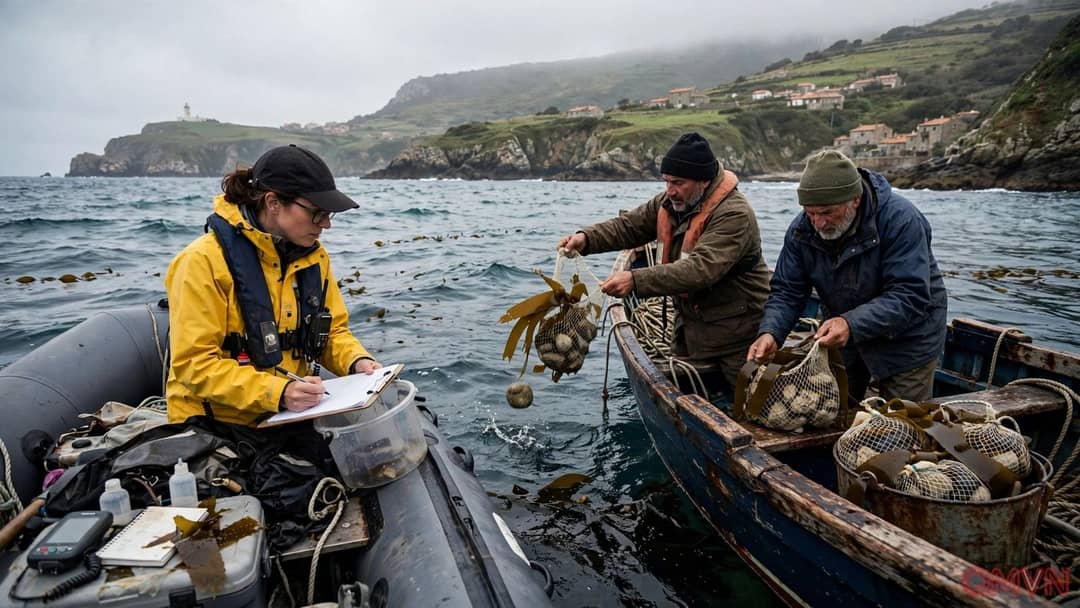
Record Hot Seas and 186 Heatwave Days in Bay of Biscay
Taken together, European seas averaged 21.6C between June and August, the highest in 45 years of available data. Few areas strayed further from norm than the Bay of Biscay off Atlantic-facing coast of France and Spain. Stretching from Cape Ortegal in Galicia to Pointe de Penmarch in southern Brittany, the bay's traditionally cool waters averaged 21.4C between June and August, more than 2.4 degrees above 1991-2020 average. Readings from US National Oceanic and Atmospheric Administration peaked August 13 at 23.2C, highest of satellite era.
Scientists define a marine heatwave as five or more days of water temperatures well above an area's historic norm. In the 1980s, Bay of Biscay averaged a handful of heatwave days per year. By end of August, it had logged 186 this year, more than three out of every four days, Reuters found. What is surprising is the speed at which this occurs, Jean-Pierre Gattuso, senior research scientist at France's CNRS, said of Europe's warming seas. Records are broken almost every day in many places.
95% Kelp Loss Means No More Lobster, Crayfish, Sea Urchins
The cool waters of Bay of Biscay once gave life to extensive kelp forests providing vital food, shelter and nurseries for dozens of species that sustain region's small-scale fisheries. Jose Manuel Rico Ordas, professor of marine ecology at University of Oviedo in Asturias, who spent summers on bay since childhood, estimates roughly 95% of large brown seaweed stands have disappeared based on sampling along rugged Asturias coast since 2010. He attributes decline primarily to climate change.