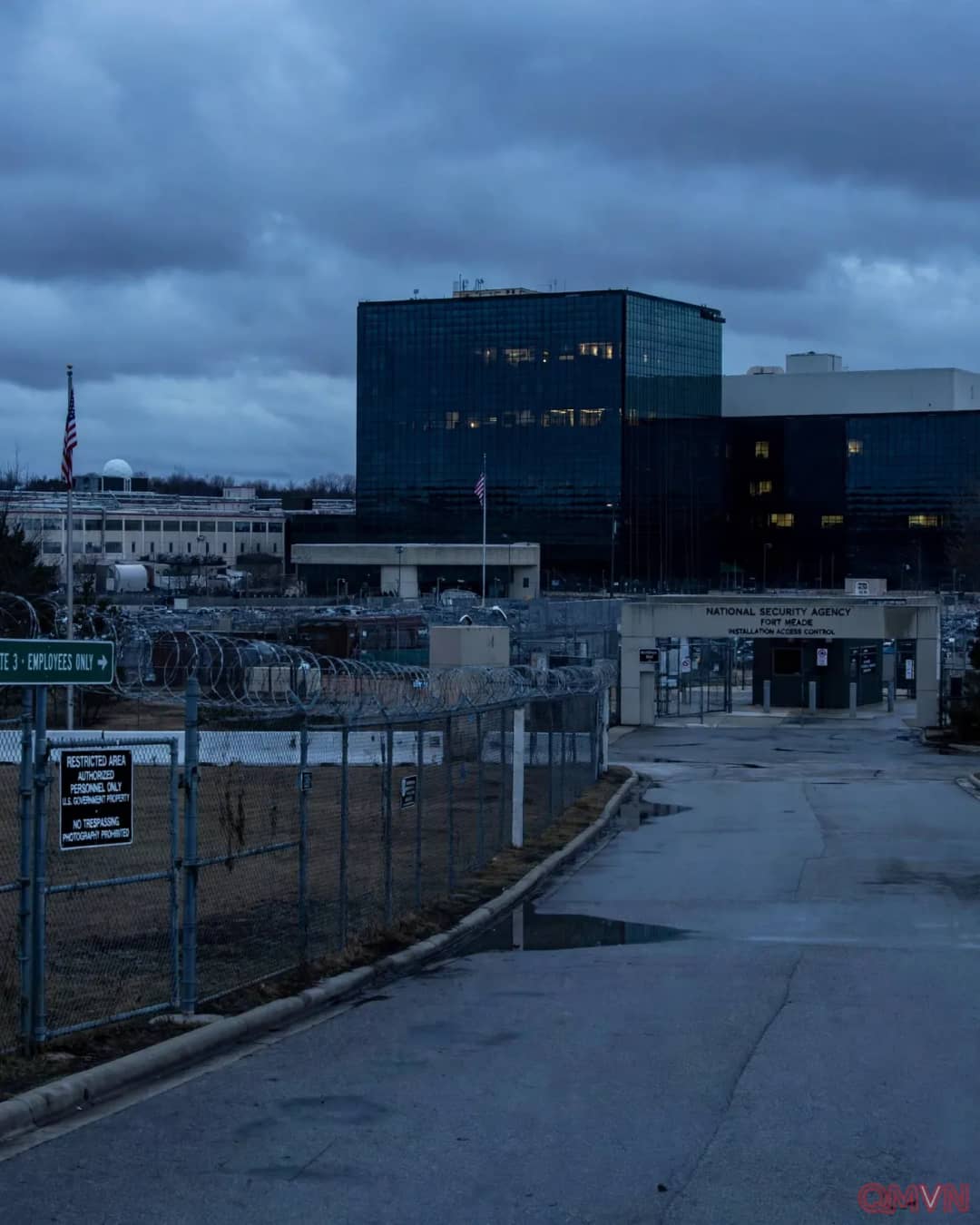
NSANet goes dark during maintenance
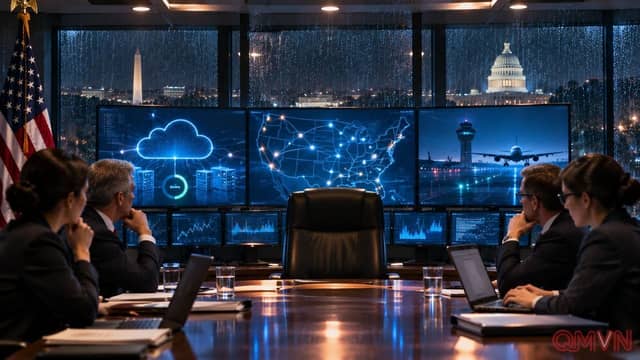
According to a defense official who spoke to the AP on condition of anonymity, the problem disrupted NSANet, the classified internal network used by NSA employees. The agency said it experienced temporary degradation during scheduled routine maintenance; some internal systems were affected, but mission-critical capabilities remained fully operational because its infrastructure is designed with multiple layers of redundancy for both planned maintenance and unexpected events.
The NSA provided no further details on the cause or scope of the disruption. The same day, Apple acknowledged on its system status page that Apple Music, the App Store and AppleCare had suffered full outages after an internal update.
Washington: no hackers at work
Top Trump administration national security officials said there was no indication that the incidents were related or caused by a cyberattack. Speaking while traveling with the president in Asia, Marco Rubio said there was no evidence that hackers, criminals, another nation-state or any malign actor were behind them.
“It is unsettling to see these reports day after day of some technical failures.” — Marco Rubio
Rubio said that while the government is always vigilant, each incident is distinct, with different causes and, in some cases, highly technical ones.
The patching wave of the AI era
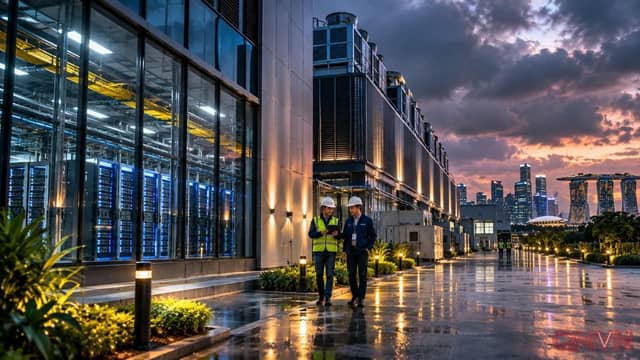
Director of National Intelligence Jay Clayton told CNBC that many organizations are patching their systems because they know legacy systems have vulnerabilities, are outdated and do not work well with newer ones. In his view, it is time to upgrade the entire digital infrastructure, and taking systems down and bringing them back up inevitably produces hiccups like these.
Sen. Mark Warner, the Democratic vice chairman of the Senate Intelligence Committee, echoed that assessment. He said AI is making it possible to identify vulnerabilities across enormous numbers of systems at unprecedented speed, putting heavy pressure on companies and agencies to patch immediately, often all at once. So far, he said, the evidence points to legitimate efforts to secure systems, not malicious activity. A prime example is the “PHP2Shell” vulnerability:
On Oct. 21, 2026, the PHP project released emergency patches for two critical flaws rated 9.2 on the CVSS scale.
The flaws allow an attacker to run code on a server remotely without logging in.
They were found with the help of frontier AI models after more than a decade of manual audits had missed them.
PHP powers a large share of the world’s websites, so the need to patch spread almost instantly.
A new cybersecurity paradox
The string of incidents reveals a paradox: the very effort to make systems safer can, for a time, make them less stable. AI is both a tool that helps defenders find vulnerabilities before bad actors do and the trigger of a patching race many organizations were not ready for.
Experts say the lesson is not to slow down but to change how it is done: test thoroughly before deployment, roll out updates in stages rather than all at once, and maintain strong layers of redundancy. When a nation’s infrastructure is so tightly interconnected, care with every patch becomes part of national security.