MAIN ARTICLE
A week of outages reveals everyday dependence
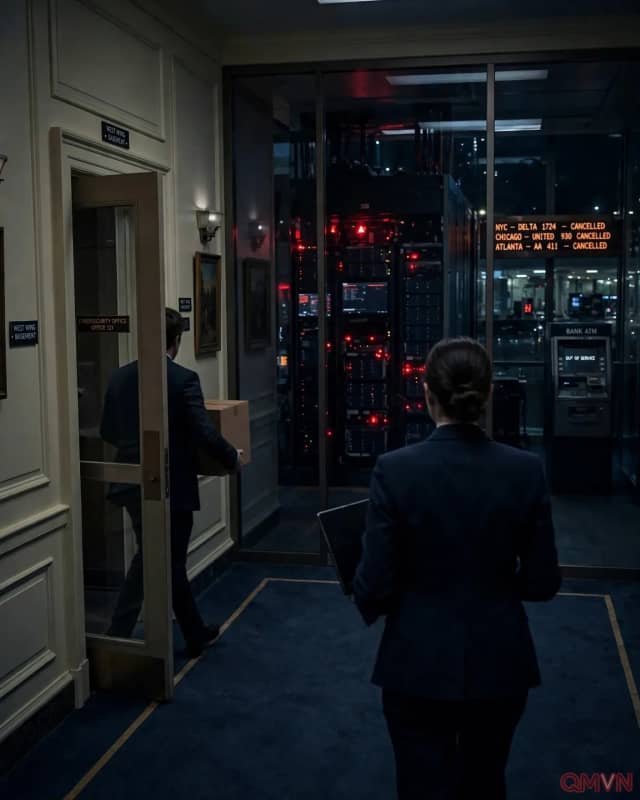
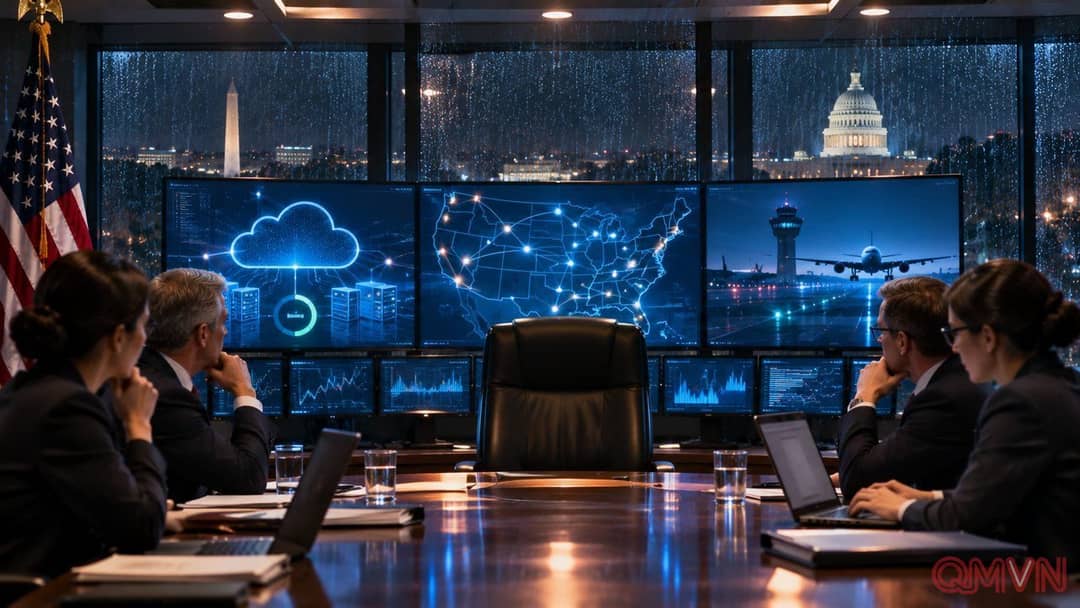
Reuters reported the change on November 19 after a succession of disruptions to email, air travel and government technology. A Microsoft service failure affected an enormous number of users, while a nationwide aviation ground stop disrupted more than 18,000 flights. A technical problem becomes a public crisis when its consequences spread from server rooms to airport terminals and businesses.
The National Security Agency also acknowledged a temporary degradation of its network, while saying its mission-critical capabilities remained functional. The events did not necessarily share a cause or severity. Their proximity, however, made the nation’s reliance on a small number of complicated systems unusually visible.
For stranded travellers the immediate concern was when normal service would resume. For banks, healthcare providers and employers the longer-term question is how quickly they can recover when one provider or component fails. Restoring one platform is not the same as making the wider network resilient.
Leadership changes cannot diagnose a technical failure
A person close to the White House told Reuters that Cairncross was fired with Trump’s support. The former Republican National Committee executive described service in the administration as an extraordinary honor.
Other reporting described internal disagreements about his qualifications, but those accounts rested on unnamed sources and are not technical findings about the outages.
Davies, who serves as chief information officer at the Defense Department, is assuming the national cyber director role temporarily. That office coordinates federal cybersecurity strategy and policy; it does not directly run every technology platform that failed during the week.
A permanent successor is expected to require Senate confirmation. Managing the transition amid unresolved questions will test continuity of leadership, interagency coordination and the government’s ability to publish information that has actually been verified.
An operational breakdown is not necessarily a cyberattack
At a congressional hearing on November 18, Director of National Intelligence Jay Clayton characterized the disruptions as separate service outages linked to maintenance and technical changes. Based on information available to officials, there was no indication of a coordinated or state-sponsored attack.
That assessment does not remove every cybersecurity risk. Specialists cited by Reuters noted that artificial intelligence can accelerate the discovery of software weaknesses and the deployment of patches; rushed configuration changes or insufficiently tested updates may produce cascading errors. This is a possible explanation for certain disruptions, not a proven single cause of all the incidents.
A system can resist attackers and still fail because of its own operation. Security, availability and recovery need distinct measures: tested changes, redundant services, carefully staged rollouts and rehearsed plans for returning to normal.
“These are separate service outages associated with maintenance and technical changes.” — Jay Clayton
Transparency becomes part of national resilience
Republican Senator Josh Hawley urged the administration to brief lawmakers so the public could understand the failures. When critical networks go dark and details are scarce, speculation can travel faster than verified explanations.
Technology governance therefore requires a map of dependencies among suppliers, agencies and vital infrastructure. It also requires rollback procedures, backup communications and clear decisions about which changes must be tested before they reach millions of people.
The central policy question is not solely who occupies the national cyber director’s office. It is whether Washington can explain each incident through evidence, tell the public what has changed to prevent recurrence and cooperate with the private companies on whose systems so much of daily life depends.
Separate confirmed findings from theories about hostile attacks.
Tell the public how recovery is progressing and whom it affects.
Test changes carefully and maintain backups for essential services.