MAIN CONTENT
A comeback that leaves questions unanswered
Reuters, citing a person familiar with the November 24 staff meeting in Santa Clara, reported that Huang acknowledged mistakes and said he was receiving therapy. He rejected the suggestion that presidential pressure alone explained his return. These details come from an account of the meeting rather than a complete publicly available transcript, a distinction that matters when assessing the scope of his admission.
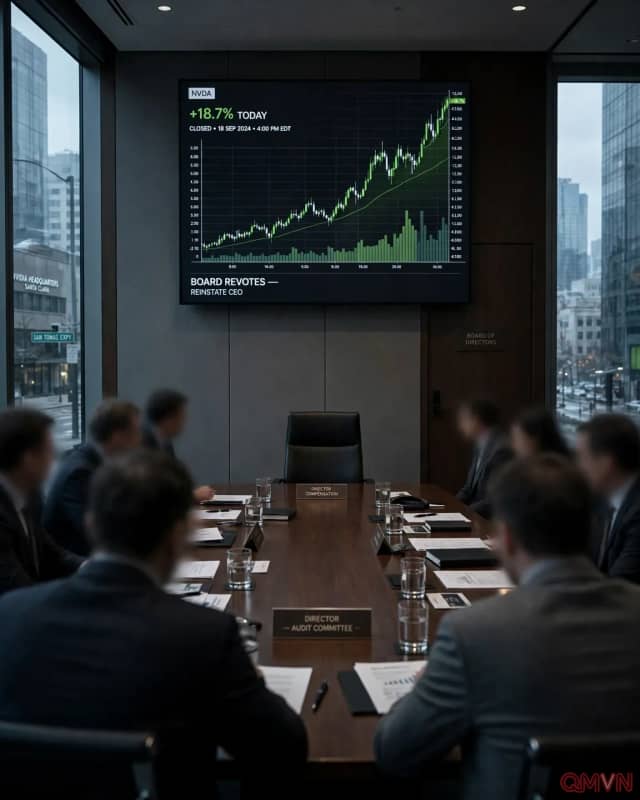
Associated Press reporting on November 23 highlighted the abrupt reversal of the board’s earlier position. The change makes the standards used to evaluate leadership nearly as consequential as the identity of the chief executive. A company can recognize the exceptional contribution of its founder while still explaining how its rules apply consistently. The two objectives need not contradict each other.
Market confidence is not an ethical verdict
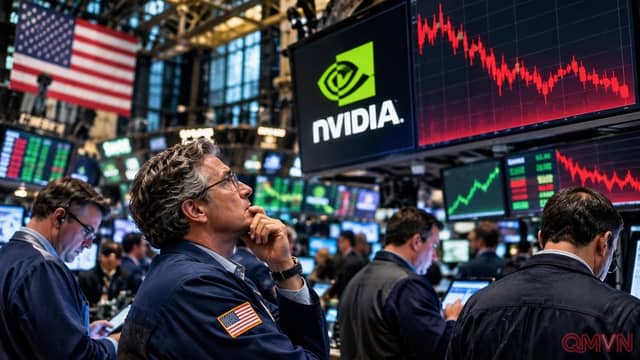
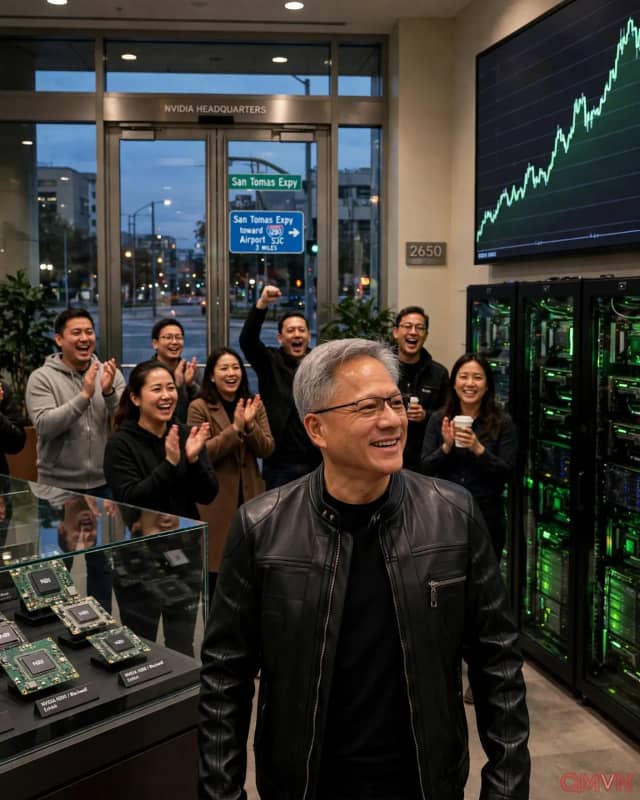
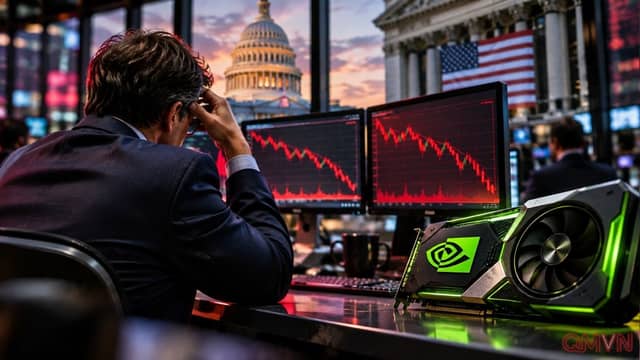
Monday’s dramatic gains suggested investors valued continuity in Nvidia’s strategy under familiar leadership. The subsequent retreat showed how quickly expectations can shift. Reuters reported that the shares remained nearly 31% below their October 6 peak.
Businesses linked to artificial intelligence also experienced the effects of changing sentiment, demonstrating how a leadership crisis at one company can reverberate through a much broader sector.
The deeper concern is the dependence of the technology ecosystem on a single supplier and an individual executive. For customers committing capital to data centers, dependable product development matters more than temporary reassurance. For shareholders, succession planning and effective internal controls deserve attention independently of revenue prospects. A resilient company should be able to withstand disruption without requiring markets to make assumptions about the indispensability of any particular person.
Where national interests meet corporate independence
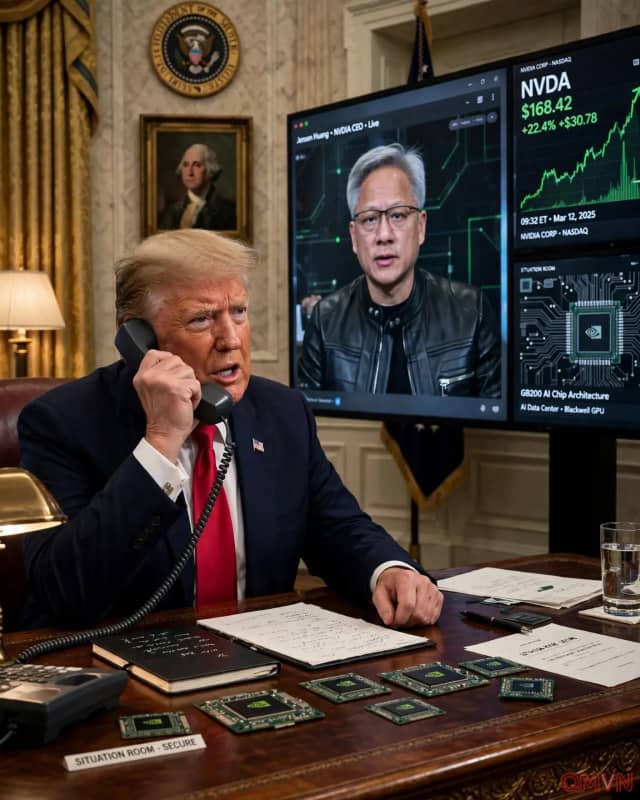
In its November 23 announcement, Nvidia said the board had taken US government input into account when assessing national security risks. Trump publicly supported Huang and, in an interview with the New York Post, raised the possibility of government ownership of a stake in Nvidia. The discussion of such an idea, however, does not establish that any transaction has been agreed.
The strategic importance of AI chips gives Washington a clear interest in Nvidia’s stability. That interest also raises questions about directors’ responsibilities to shareholders and employees. Associated Press reporting on November 24 noted that scrutiny was extending beyond Huang to the board itself. Whether a decision makes commercial sense and whether the process behind it was sufficiently independent are two distinct questions. Answering one does not automatically settle the other.
Unresolved issues ahead of congressional testimony
Federal and state inquiries, together with internal reviews, remain sources of uncertainty. Allegations concerning foreign intelligence are not judicial findings; Reuters has reported that Beijing denies the espionage allegation. Reinstatement does not automatically end investigations, just as the existence of investigations does not establish guilt. A careful public discussion must preserve these distinctions rather than substitute political or market sentiment for evidence.
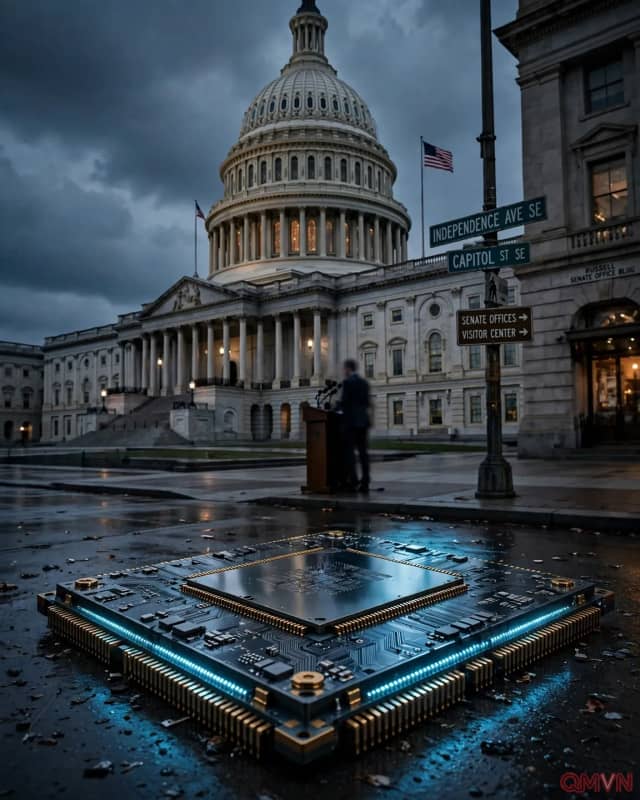
The public Senate hearing scheduled for December 3 may help clarify the information on which directors relied. Three areas deserve particular attention:
The independence of the assessment and reinstatement process, including how competing considerations were weighed.
The safeguards governing export compliance and the protection of sensitive information across the company’s operations.
The mechanisms ensuring that conduct standards are applied consistently at every level of corporate leadership.