MAIN ARTICLE
A rain gauge and the right to prepare
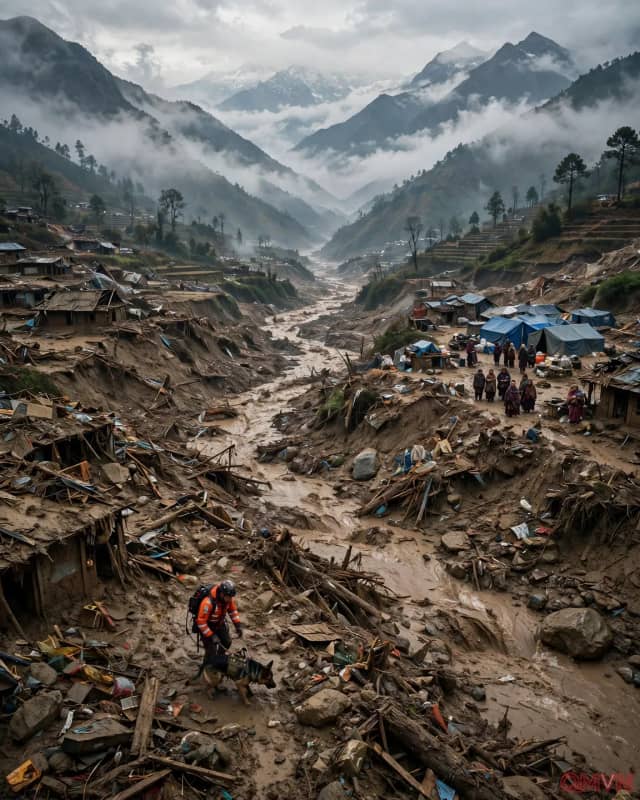
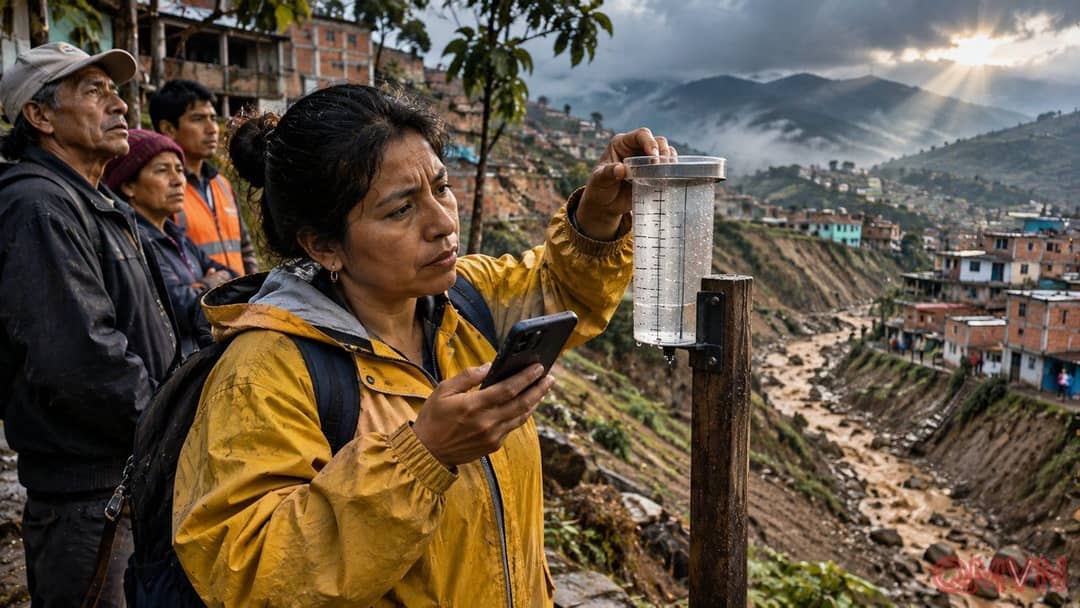
During the rainy season, Raquel Izarra checks a homemade rain gauge on her roof twice a day and sends readings to officials through WhatsApp. More than 60 volunteers monitor the slopes and ravines around Santa Inés Bajo, on Lima’s eastern outskirts, where prolonged downpours can unleash floods and mudslides. Their work is rooted in the memory of devastating floods in 2017. There is little glamour in taking measurements while running a household; that is precisely what makes the effort important.
Repeated observations allow residents to recognize when accumulated rainfall might turn an apparently dry ravine into a dangerous channel. They also help communities practice coordination: who contacts the authorities, who checks on neighbors and where families can move if the situation deteriorates. Citizen monitoring does not replace specialist forecasting. It makes public warning systems more attentive to the places where people actually live.
But volunteer commitment is not an unlimited resource. Participants need paid employment and must support their families; even a monthly phone bill may be difficult to afford. A network can weaken precisely when heavier rains demand more observations. Peru’s experience therefore raises an uncomfortable question for policymakers: who pays the small but recurring costs of giving a vulnerable household a few precious minutes to escape?