MAIN CONTENT
A spacecraft arrives where its journey began
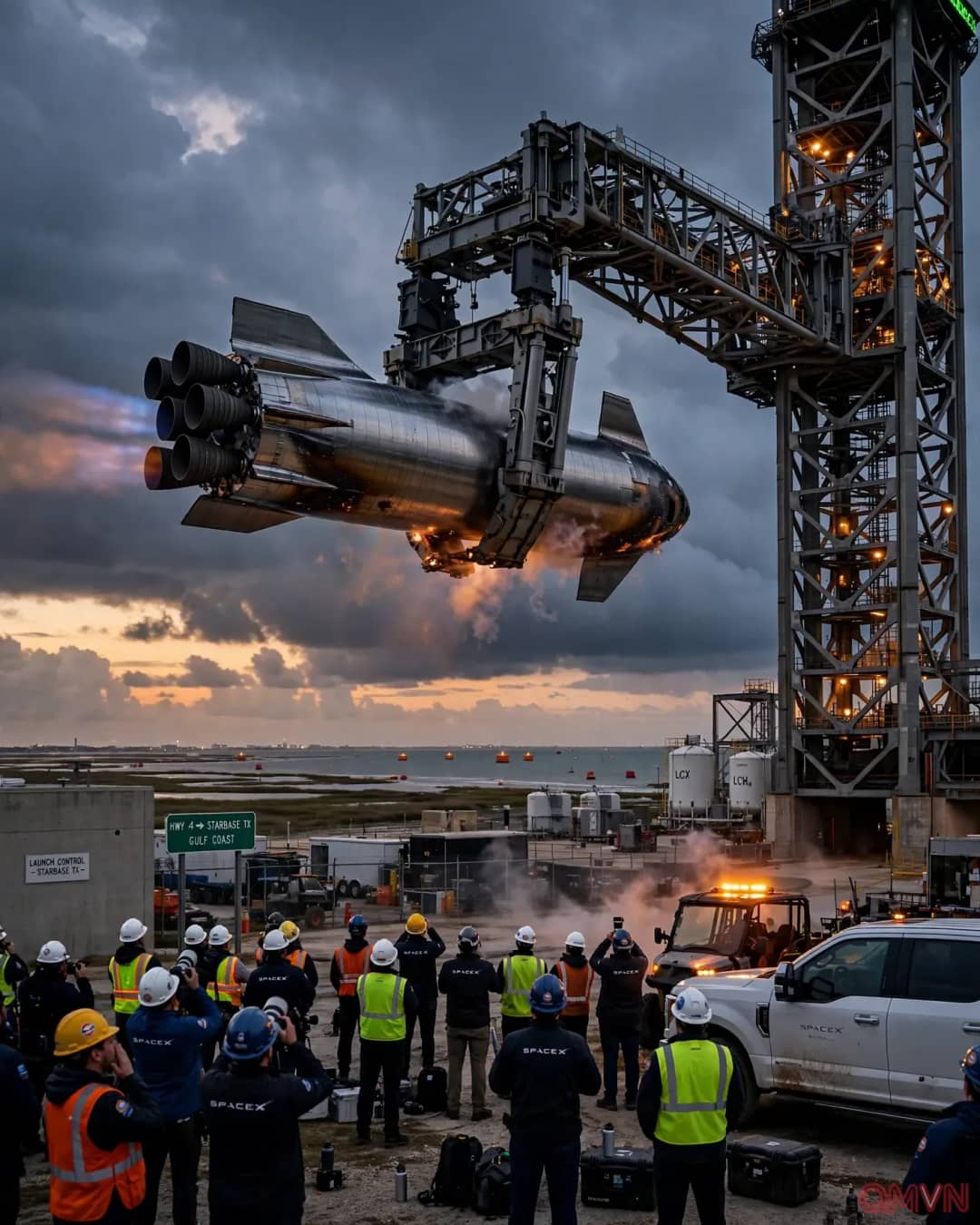
As Starship descended toward its Texas launch site, the tower became more than a structure used to lift a rocket. Its huge articulated arms received the upright stainless-steel vehicle, turning a maneuver once associated with science fiction into a tangible engineering achievement. AP described it as the first capture of a Starship upper stage returning from space.
Catching a spacecraft at the tower could eliminate some of the weight and complexity of conventional landing equipment and simplify its return to the launch operation. But an impressive capture is not the same as an immediately flight-ready spacecraft: engines, heat protection, guidance systems and structural components still require inspection before reuse.
Spaceflight Now reported that the mission began on November 13 and ended with recovery on November 14. Nearly 22 hours aloft and 14 orbits provided a more demanding test than the comparatively brief flights that preceded it.
Success in orbit, trouble below
Starship's upper stage did more than perform a spectacular homecoming. It deployed 26 advanced Starlink satellites, demonstrating a practical payload mission while operating at roughly 265 kilometers above Earth.