MAIN CONTENT
One table, three different calculations
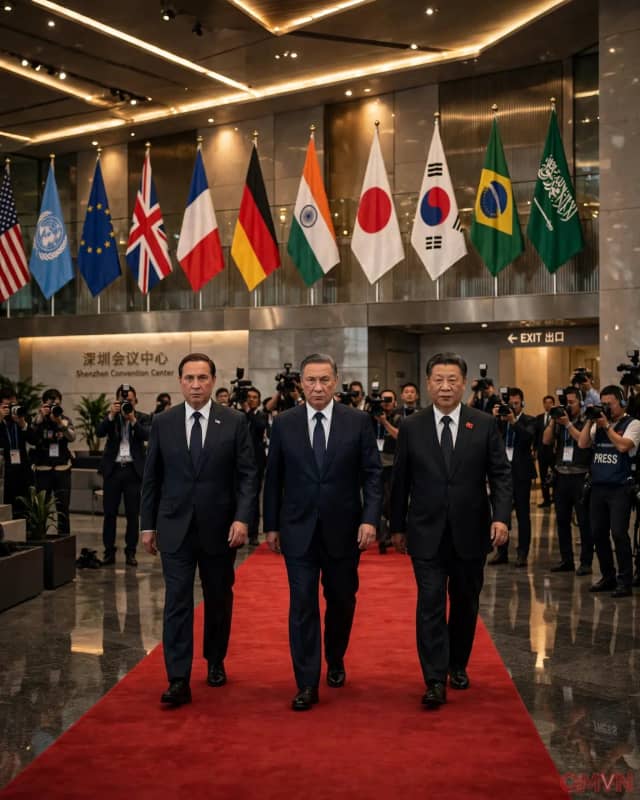
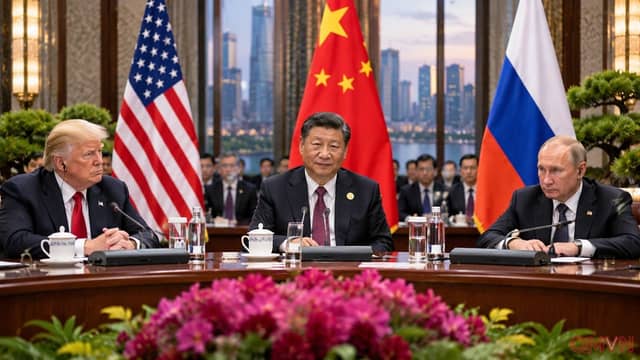
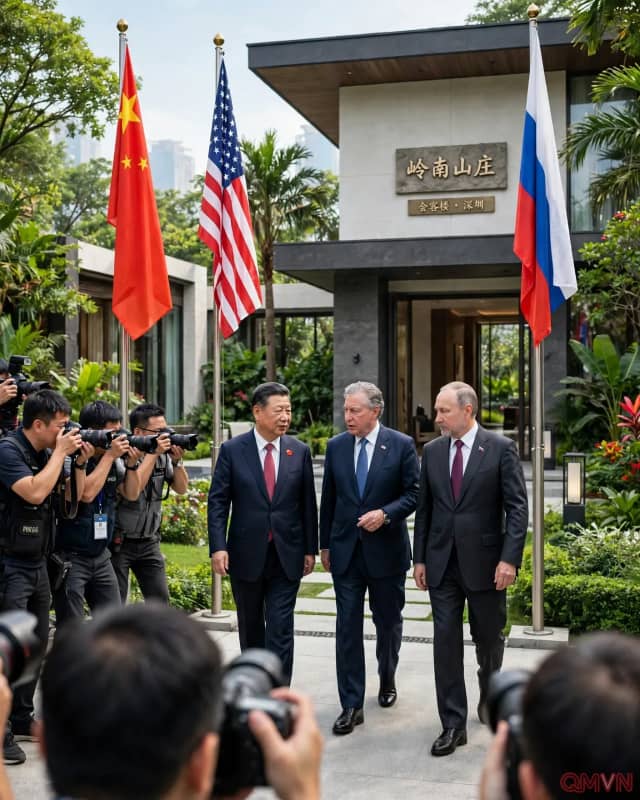
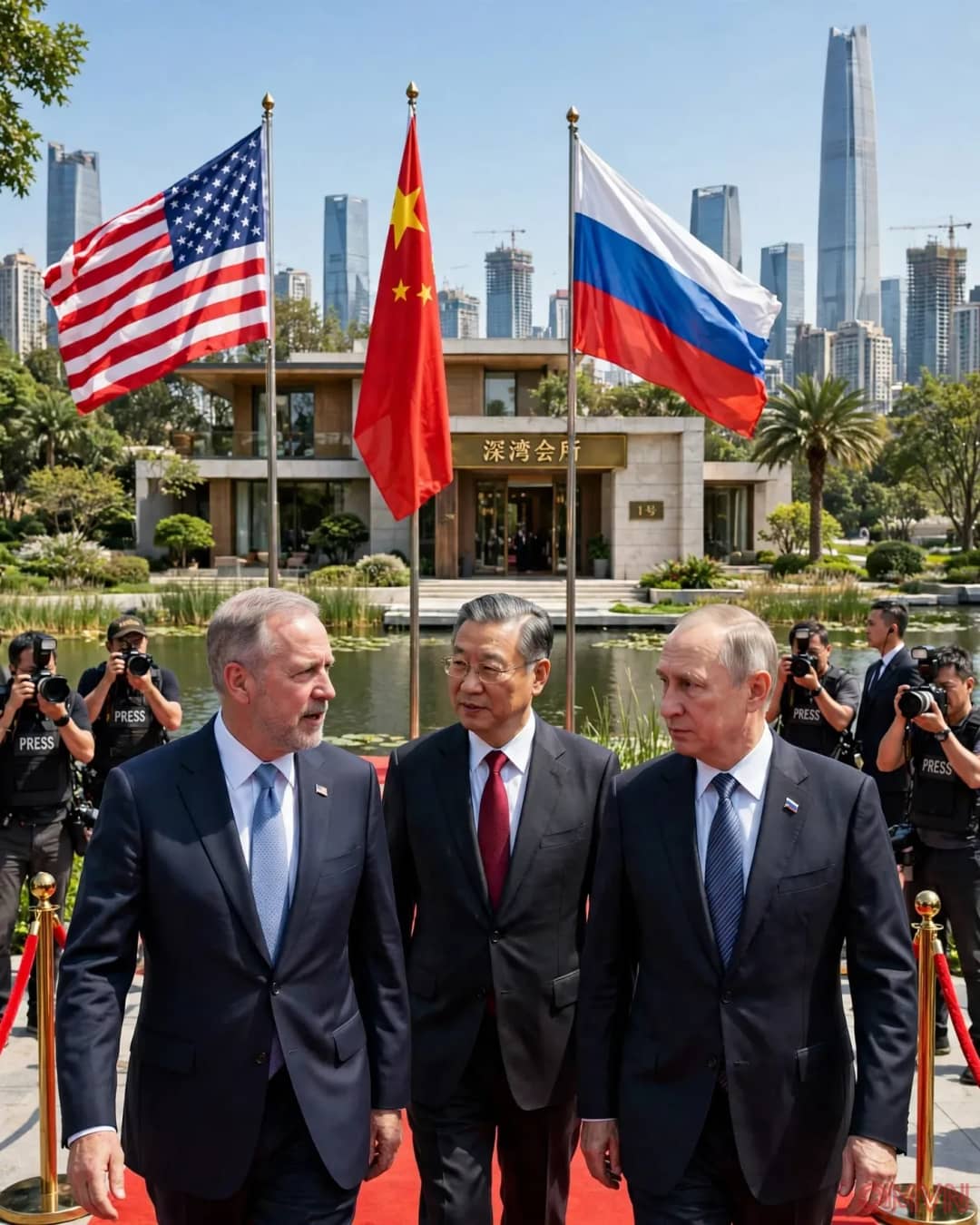
The meeting on the sidelines of the APEC gathering in Shenzhen placed the leaders of the United States, China and Russia around a single table, an uncommon diplomatic tableau. For Trump, it offered a chance to demonstrate personal engagement with strategic rivals. For Xi, the gathering showcased China's ability to host heavyweight diplomacy. For Putin, it provided high-level recognition while Russia's war against Ukraine continues. A shared stage did not mean a shared understanding of success.
Trump urged the leaders to seek reductions in nuclear weapons and emphasized the value of talking through disagreements. Xi spoke of stability among major powers, while Putin highlighted their responsibilities for international security. The messages were conciliatory in tone, but the public remarks did not supply an answer to the disagreements that have repeatedly stalled formal negotiations. A summit can improve the atmosphere without yet altering the underlying positions.
Nuclear dialogue without an enforceable bargain
The statement's commitment to continue talking about nuclear risk is important at a moment when longstanding safeguards have weakened. Still, it set no new ceiling on warheads, no timetable for negotiations and no inspection or verification mechanism. Such details are not technical footnotes: they are what turn a political aspiration into an arms-control agreement that governments and citizens can evaluate.