MAIN CONTENT
The economics behind the headline figure
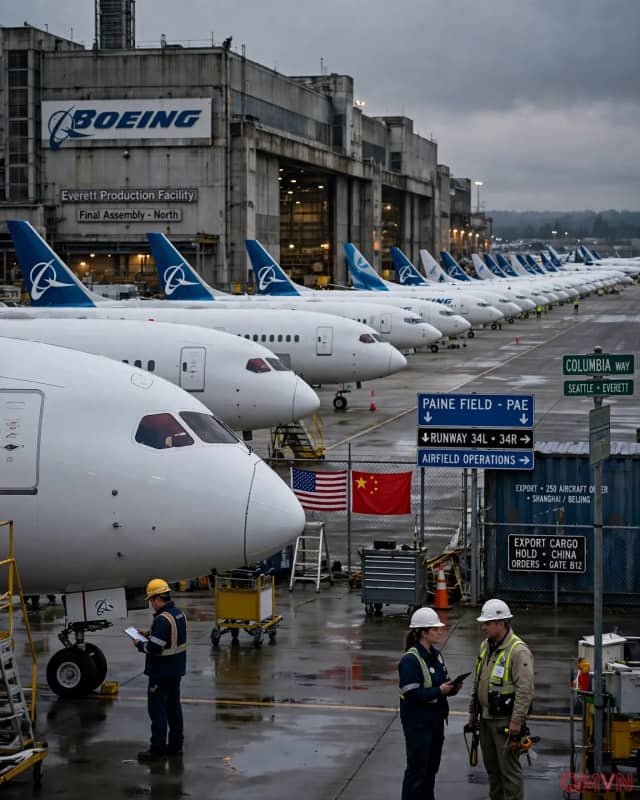
Reuters reported on November 24, citing China Southern's exchange disclosure, that the transaction covers 50 narrow-body aircraft. The published valuation reflects catalogue prices rather than the money the buyer has committed to pay. Aviation contracts of this scale are normally negotiated individually, reflecting the size of the order, delivery schedule and commercial relationship between the parties. Without the final price, financing arrangements and payment milestones, it would be premature to calculate the actual financial burden on the airline.
For a carrier, buying an aircraft is not merely a capital expenditure decision. It is a commitment to years of maintenance, staff training, insurance, fuel consumption and operational planning. A favourable purchase price can help, but the lifetime cost of ownership may matter more than the initial discount. The agreement therefore needs to be assessed in the context of the airline's future cash flows and the revenue that the aircraft can realistically generate. A large order is a statement of confidence, not a guarantee of profitability.
A fleet designed around the next decade
The delivery window of 2031–2034 gives Xiamen Airlines several years to prepare. New aircraft could replace ageing jets, support additional services or provide a combination of both, depending on market conditions. The distinction is important: fifty aircraft entering a fleet do not necessarily translate into fifty additional aircraft in operation. Retirement decisions and changes in utilisation will determine the net increase in capacity.