MAIN CONTENT
A bipartisan vote, but not a settled argument
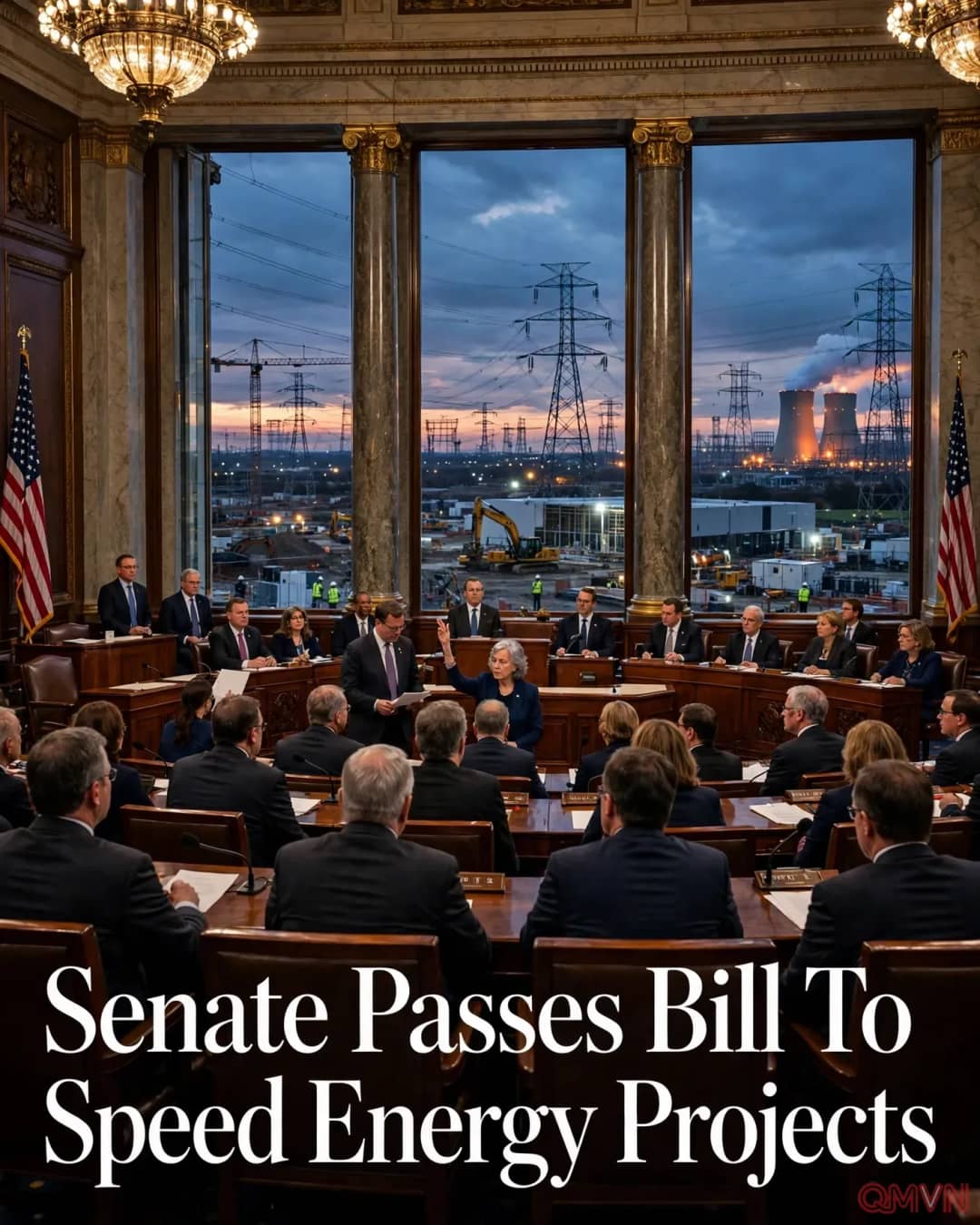
The Senate's 62–33 vote brought together most Republicans, 14 Democrats and one independent, according to Reuters. The proposal was shaped by Republican senators Shelley Moore Capito and Mike Lee and Democratic senators Sheldon Whitehouse and Martin Heinrich. Their cross-party arrangement speaks to a shared frustration: a project can win investment and political support yet remain stalled in an approval system with overlapping processes, uncertain litigation and years of delay. For the coalition, the question is not simply how to build more, but how to make timelines predictable enough for utilities and businesses to commit capital.
Capito described the vote as a step toward answering Americans' concerns about affordability. The House must now decide whether to embrace the Senate compromise or revise it, potentially reopening its most difficult trade-offs. The White House has supported permitting changes, but presidential backing cannot replace the separate legislative vote. The measure's immediate significance is therefore political as well as practical: a broad Senate majority exists, but implementation remains conditional on enactment and subsequent federal rulemaking.