MAIN CONTENT
Food trade: a practical dividend
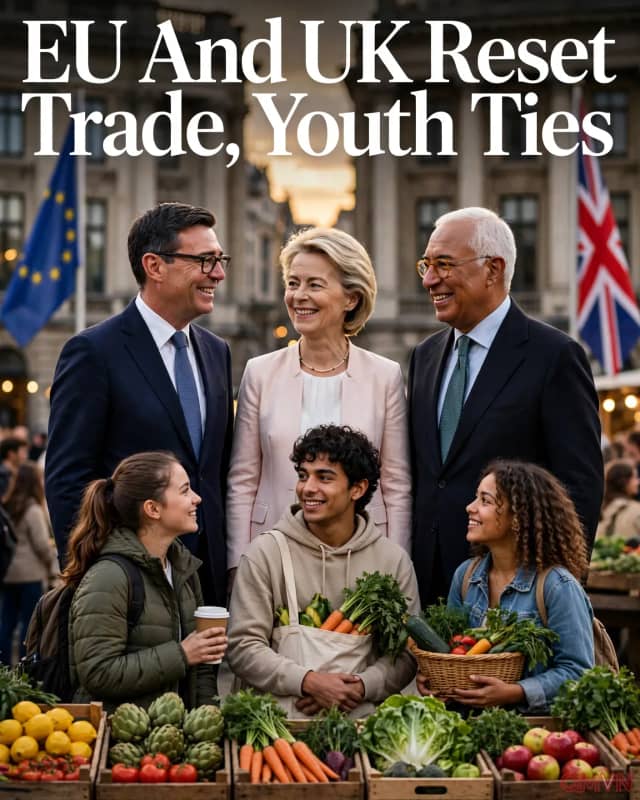
The clearest commercial gain concerns sanitary and phytosanitary rules governing animals, plants and food products. Additional paperwork and border checks have become costly symbols of Britain’s separation from the EU single market. A new framework aims to remove many of those barriers for products such as meat, dairy and seeds. It could particularly help small producers unable to absorb the cost of repeated certification and delay.
The government has publicised economic benefits, but estimates are forecasts, not gains already realised. The official British explainer projects that the sanitary and phytosanitary agreement could add nearly £3.8 billion annually to the economy by 2040. In return for easier access, Britain must accept relevant regulatory commitments and enforcement arrangements. The question is therefore not whether trade can become simpler, but which policy autonomy London is prepared to exchange for that simplicity.
Young people gain a route, not an instant right
The proposed youth experience scheme would let eligible younger people spend up to three years living, studying or working across the Channel, under conditions and numerical limits to be established in the implementing framework. European diplomats described a planned ceiling of 100,000 participants on each side.