MAIN CONTENT
When the phone stops competing with the lesson
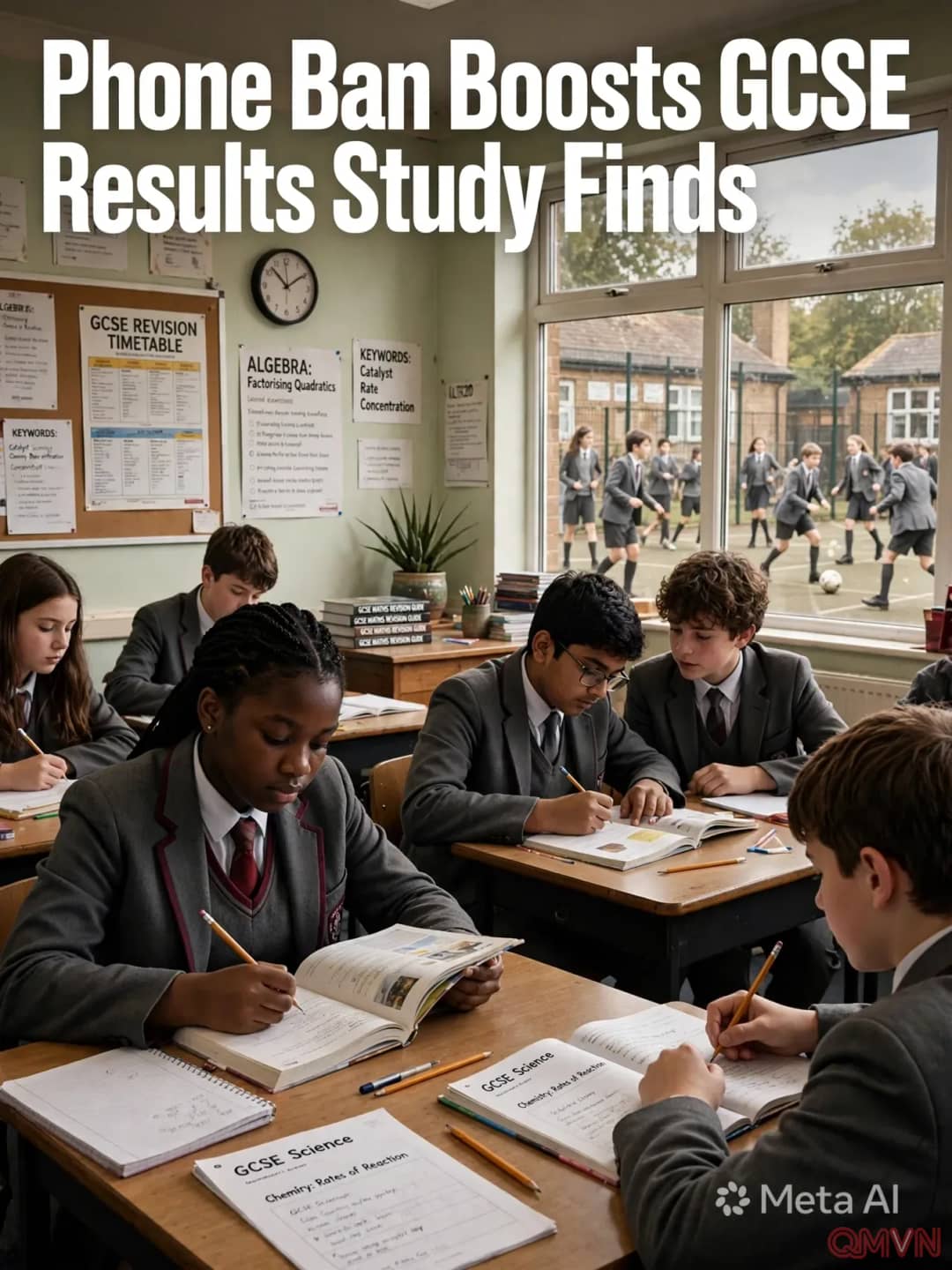
Blackout Education’s report tracked more than 5,000 pupils across state, independent, boarding and day schools in England. According to the published findings, about 60% of schools using smartphone-restriction technology reported higher GCSE performance. At one school, every responding member of staff said pupil productivity had improved, while roughly two-thirds reported fewer requests from pupils to leave lessons. These figures do not establish a simple causal formula, but they illustrate how digital interruption has become a classroom-management issue rather than merely a private habit.
The most striking figures concern not only grades but the volume of interruption. On ordinary school days, notifications received by pupils reportedly fell from about 90-120 to only 7-10 when blocking was active. Fewer alerts mean teachers face less invisible competition from social media, messaging and short-form video. One participating school recorded more than 617,000 hours of scheduled blocking over an academic year, a vivid measure of how much fragmented attention schools are trying to reclaim.
This approach is different from confiscating every phone. Pupils can keep their devices, while distracting functions are restricted during times set by the school. In practice, the model attempts to balance families’ expectations of contact and safety with the educational goal of creating a school day less exposed to the attention economy.