Transactional Diplomacy as a Strategic Lever
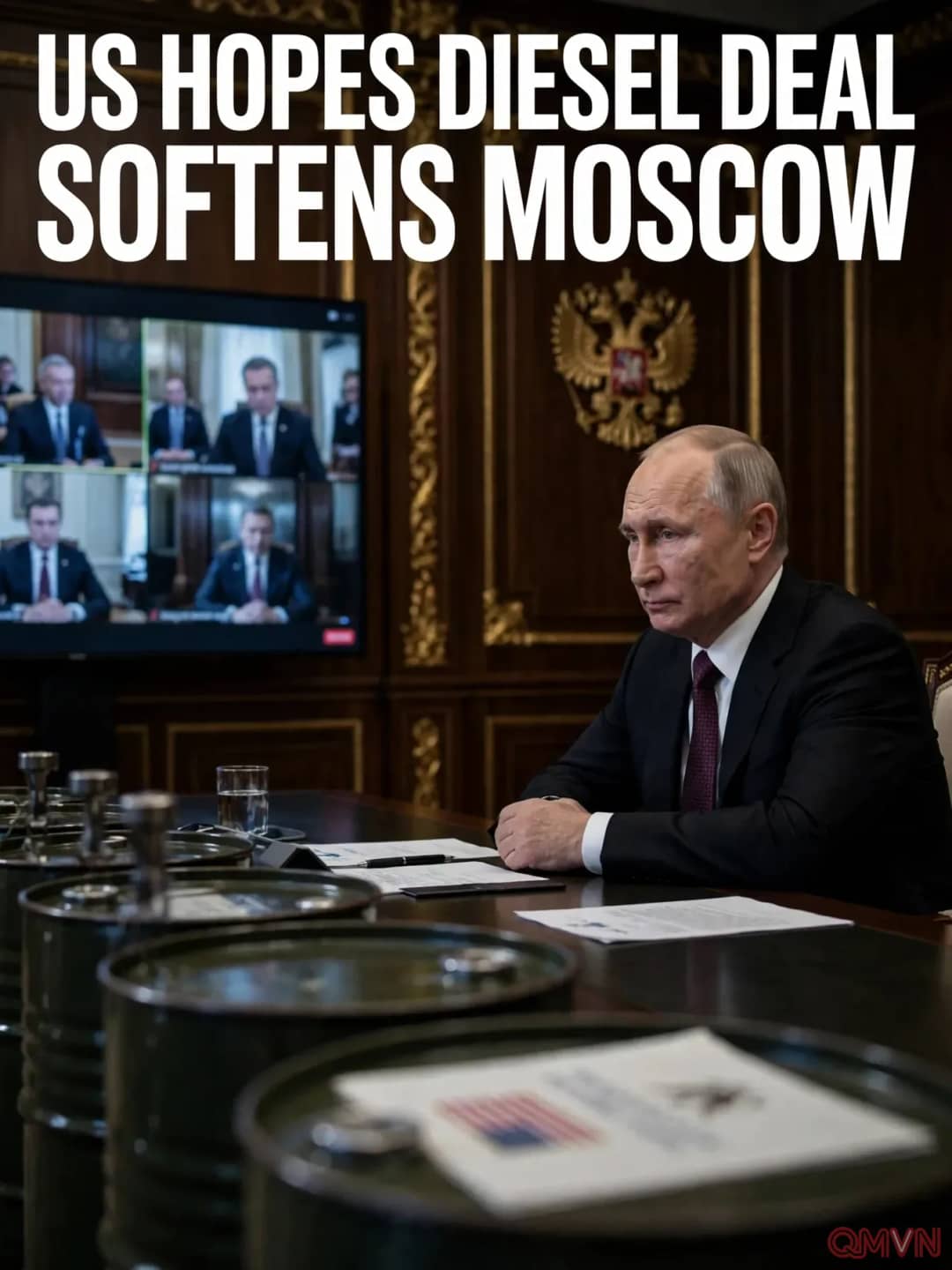
During confidential discussions held in Miami, presidential envoys Steve Witkoff and Jared Kushner sought to persuade Ukrainian officials that authorizing Russian diesel exports was not an act of appeasement, but rather a calculated opening to draw the Kremlin back to the negotiating table. Washington operates on the premise that tangible commercial incentives can signal diplomatic goodwill, creating the necessary conditions for Moscow to reconsider long-term ceasefire arrangements.
American representatives underscored that de-escalating the broader war necessitates pragmatism, establishing baseline cooperation on energy stability before confronting far more intricate collective security architectures.
This deal is the right choice for the American people and opens a pathway to negotiation.
Refinery Strikes and Strategic Friction
Parallel to the diesel agreement, Washington renewed its calls for Kyiv to halt unmanned aerial strikes against petroleum refineries located across Russian territory. The administration contends that curtailing disruptions to Russian refining infrastructure will temper volatile global energy markets while providing American negotiators with diplomatic leverage to demand reciprocal restraint from Moscow.