MAIN CONTENT
Ukraine Conflict Anchors Bilateral Talks in Shenzhen
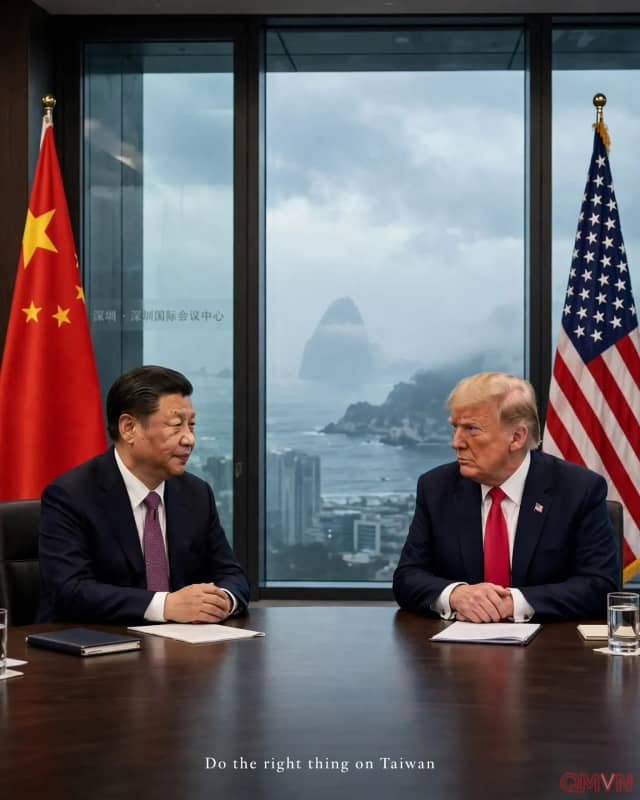
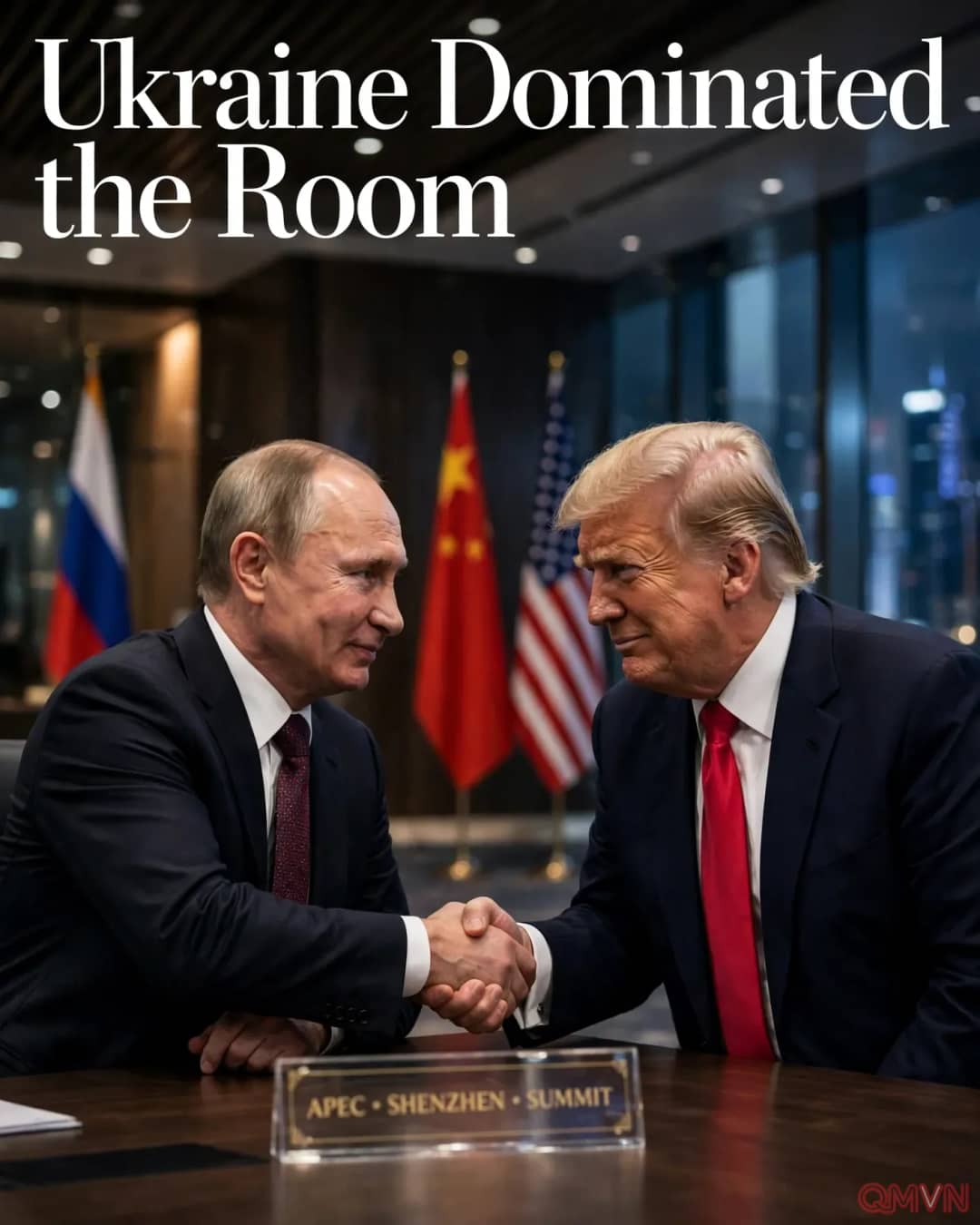
Speaking to reporters in Moscow on Thursday, November 19, 2026, following the face-to-face encounter between the leaders of the world’s two largest nuclear powers in Shenzhen, Guangdong province, China, Kremlin foreign policy aide Yuri Ushakov confirmed that the conflict in Ukraine dominated the discussion between Russian President Vladimir Putin and US President Donald Trump.
In addition to the war in Ukraine, the two presidents examined the state of bilateral US-Russia ties and coordinated ahead of a planned trilateral meeting with Chinese President Xi Jinping during the APEC summit. Ushakov noted that Putin emerged from the session in a "simply excellent" mood, signaling cordial personal chemistry despite persistent geopolitical friction.
"Putin’s mood after the meeting was simply excellent." Yuri Ushakov
Three-Way Summit With Xi Jinping and White House Caution
The bilateral engagement in southern China carries heightened strategic resonance given the imminent joint meeting with President Xi Jinping, placing Washington, Moscow, and Beijing in direct diplomatic proximity. However, White House officials indicated that Trump is not expected to raise the Ukraine war during the three-way session with the Chinese leader, even though Trump had previously suggested he might bring the issue up.
This calibrated approach reflects the delicate choreography of multilateral diplomacy at APEC: while Washington appears intent on keeping trilateral discussions with Beijing insulated from European security disputes, direct bilateral channels with Moscow remain the primary forum for testing potential terms to end the fighting.
The bilateral Trump-Putin talks centered on the war in Ukraine and the broader trajectory of US-Russia relations.
Both leaders discussed preparations for their upcoming joint meeting with Chinese President Xi Jinping in Shenzhen.
White House aides anticipate Trump will likely refrain from raising Ukraine in the trilateral format despite his earlier hints.
Deep Structural Divides Cloud Prospects for Major Agreements
Notwithstanding warm handshakes for the cameras and upbeat characterizations from the Kremlin, foreign policy analysts remain skeptical that the gathering in China will yield substantive agreements. Fundamental policy chasms continue to separate Washington and Moscow across multiple arenas of global security.
Beyond irreconcilable starting positions on territorial sovereignty and postwar security guarantees in Ukraine, the two capitals remain sharply divided over Iran’s nuclear program, the erosion of bilateral nuclear weapons treaties, and sweeping economic sanctions and trade restrictions.