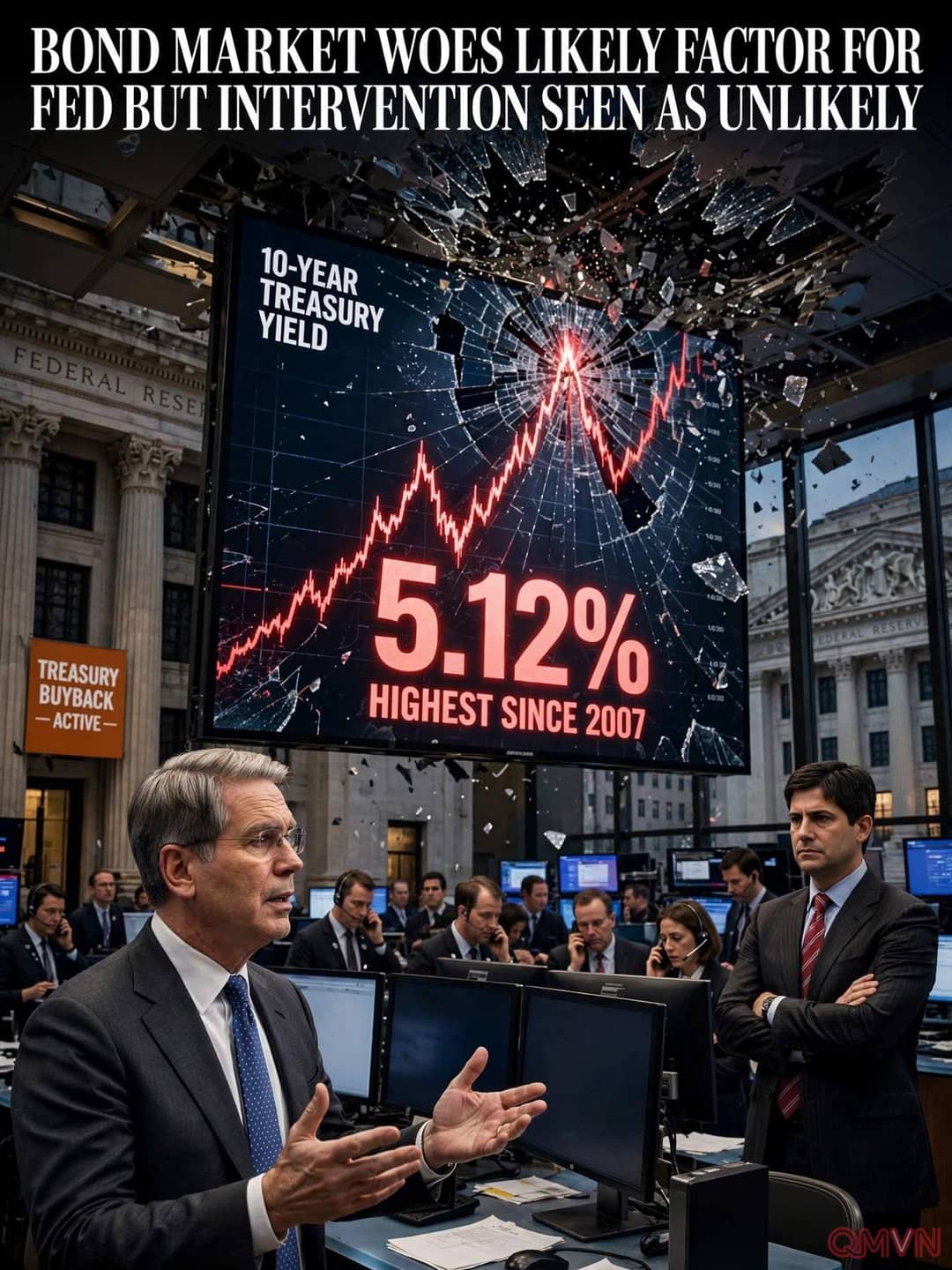
Higher yields and a widening burden across the economy
The yield on the 10-year U.S. Treasury note has risen above 5%, its highest level since 2007, Reuters reported. Higher yields affect more than the federal budget. They feed through to mortgage rates, corporate credit and household borrowing, meaning that bond-market moves can quickly influence the daily rhythm of the economy.
Treasury Secretary Scott Bessent has taken an unusually activist role in trying to lower yields that he considers out of line with the U.S. economic outlook. The Treasury expanded a key debt-buyback operation last week, but bond prices remained under pressure. Bessent attributed the move to “global issues”, while investors continued to watch whether the market can absorb heavy debt supply.
Why the Fed is unlikely to become a rescue buyer
The Fed has more powerful tools than the Treasury because it can create money to purchase bonds. Large-scale asset purchases, commonly called quantitative easing, were used during the 2007-2009 financial crisis and the Covid-19 pandemic to improve liquidity, stabilise markets and reduce borrowing costs.