MAIN STORY
The ballot began with the household bill
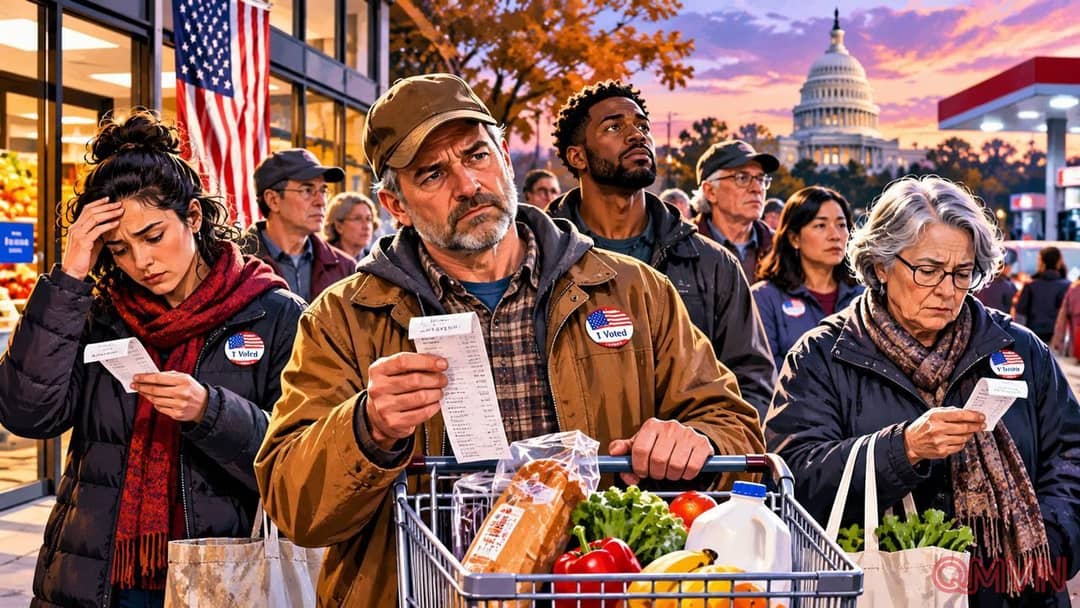
During the campaign, the White House had favorable employment figures and stock market gains to cite as evidence of economic resilience. But shoppers, drivers and renters experience prosperity through a more immediate measure: what remains in their accounts at the end of each month. Consumer prices were 3.7% higher than a year earlier, according to figures cited by the AP, compared with inflation of 3% when Trump entered his second term. A slower pace of inflation than at an earlier peak does not restore prices to their old levels.
The AP survey found that roughly nine in ten voters regarded living costs as a major or crucial concern; about six in ten within that group supported Democratic candidates in House races. Among people earning under $50,000 annually, approximately six in ten said their finances had deteriorated compared with two years earlier. Such responses suggest disappointment with unmet affordability promises, rather than a denial that parts of the economy are expanding.
The administration argued that the difficulties began under former President Joe Biden. Many voters, however, assigned responsibility to the policies in force now. The midterms thus became a test of whether the government could translate aggregate growth into a more secure everyday life.