A shortage that has become a national concern
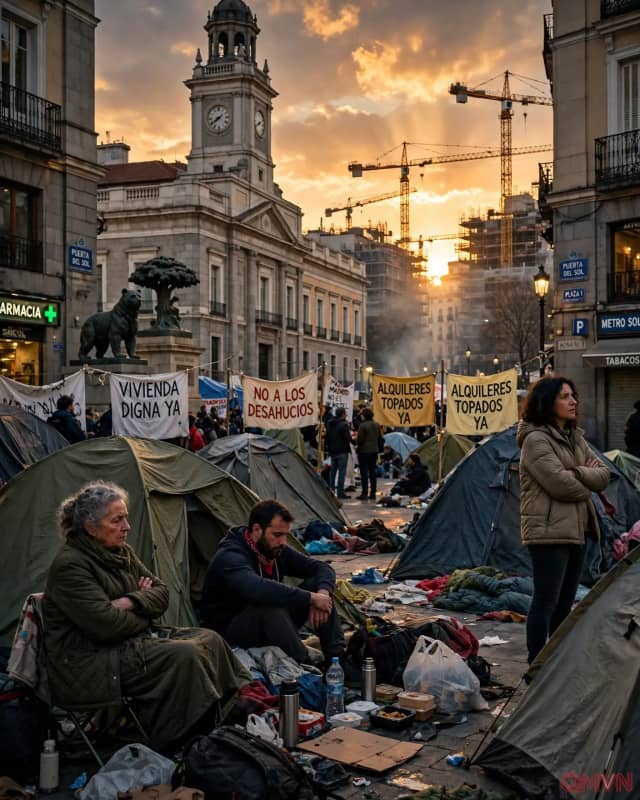
The controversy rests on a gap between demand and the capacity of the housing system to respond. The OECD’s 2025 economic survey of Spain cites a Bank of Spain estimate of a shortage of around 600,000 homes over 2022–2025. Population movements and the formation of new households in cities and tourist areas have intensified pressure. When multiple households compete for the same property, tenants with modest savings can find themselves excluded even when they have stable employment. Higher deposits also create an obstacle that is distinct from the advertised monthly rent.
The consequences extend beyond the property market. Workers may remain far from employment opportunities, young adults may postpone independent living and separated couples may struggle to establish different households. These constraints help explain why economic growth does not necessarily translate into a greater sense of financial security. An Associated Press report on November 25 also highlighted the contrast between Spain’s strong economic performance and widespread dissatisfaction over housing costs.
Madrid focuses on removing construction barriers
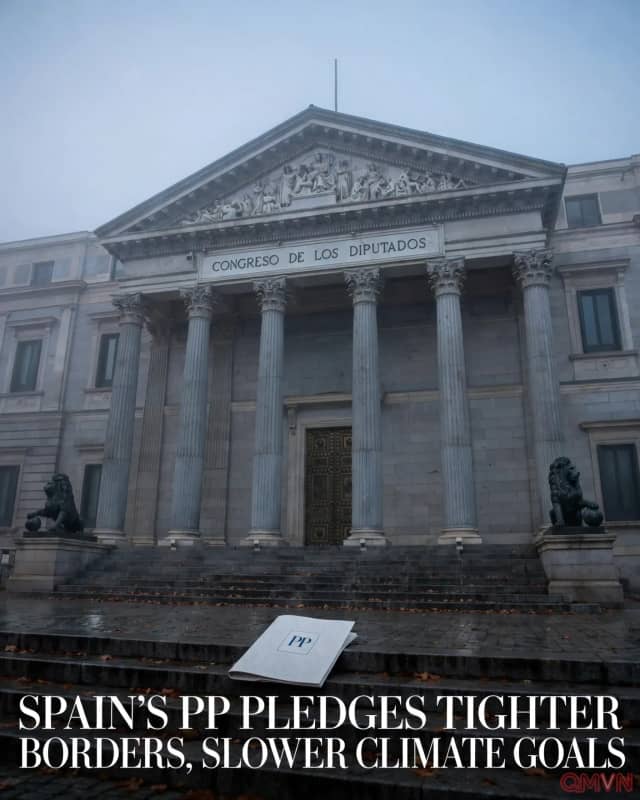
The People’s Party, led by Alberto Núñez Feijóo, supports the approach taken by Madrid’s regional government: reducing the time and complexity involved in converting land into buildable housing. Its national campaign promises one million homes over four years, according to Reuters.