Oversight: Congress’s constitutional weapon
On election night, Representative Robert Garcia, the incoming chair of the House Oversight Committee, told administration officials to get lawyers, pledging to investigate corporate corruption and what he described as wrongdoing in the president’s inner circle.
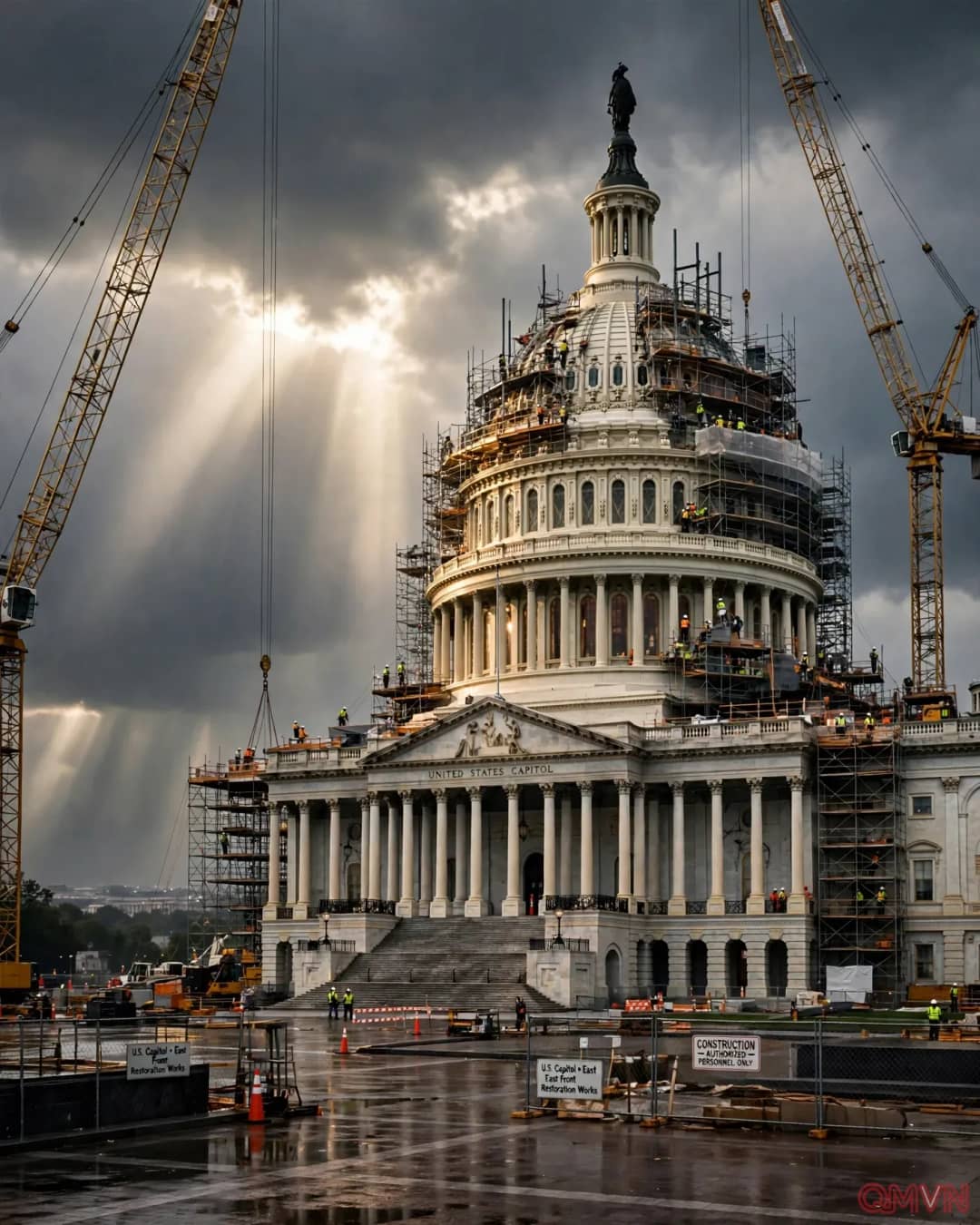
The framers gave Congress oversight authority, including the power to investigate corruption or failure in the executive branch. In 1927, the Supreme Court affirmed that the power of inquiry is an essential auxiliary to the legislative function. While the president retains his veto over legislation, Congress’s investigative power is broad and independent. According to reports and statements by Democrats, possible subjects of investigation include:
- Deals alleged to have enriched the president’s inner circle, including $500 million in payments from a firm linked to the United Arab Emirates government for a stake in the Trump family’s cryptocurrency company.
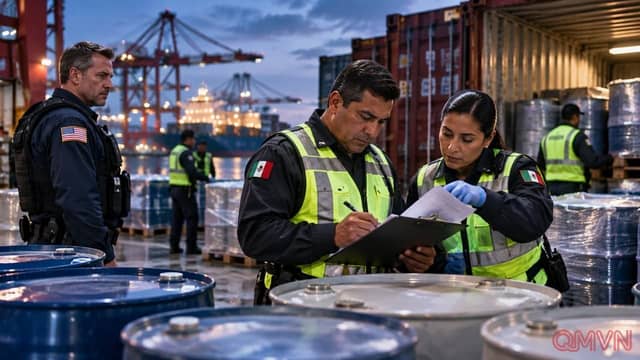
- The tactics of Immigration and Customs Enforcement, alleged defiance of court orders and military strikes on boats suspected of drug trafficking.
- Prosecutions criticized as targeting the president’s perceived enemies and the dismantling of USAID without congressional approval.