Leadership criticism meets a forceful Pentagon defence
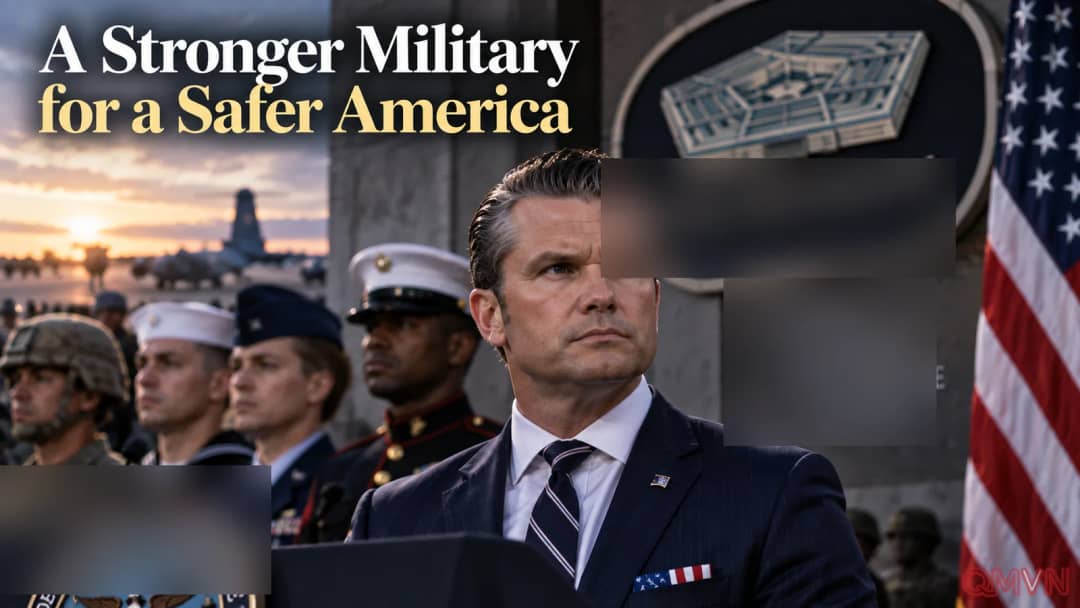
The Guardian’s report describes an unusually broad wave of criticism directed at Hegseth, including concerns from retired military leaders, lawmakers and defence observers. Critics argue that rapid leadership changes, interventions in promotion decisions and attention to cultural disputes risk distracting the department from strategic priorities.
The Pentagon strongly rejects that portrayal. Spokesman Sean Parnell has called claims that the department is in disarray baseless and insulting to the professionals and service members working there. President Donald Trump has also continued to signal support for Hegseth.
The competing accounts reveal a deeper institutional debate. Civilian control of the military is a foundational democratic principle, and a defense secretary is entitled to set priorities and make final decisions. At the same time, the system depends on senior commanders being able to offer candid professional advice. Effective leadership requires both authority and a process in which disagreement can be expressed without automatically being treated as disloyalty.
Departures and promotions test leadership continuity
One of the most significant recent developments was Army Secretary Dan Driscoll’s resignation after months of reported friction with Hegseth. Reuters confirmed that Driscoll submitted his resignation, and Trump subsequently named Adam Telle as acting Army secretary.