A door opens in Brussels
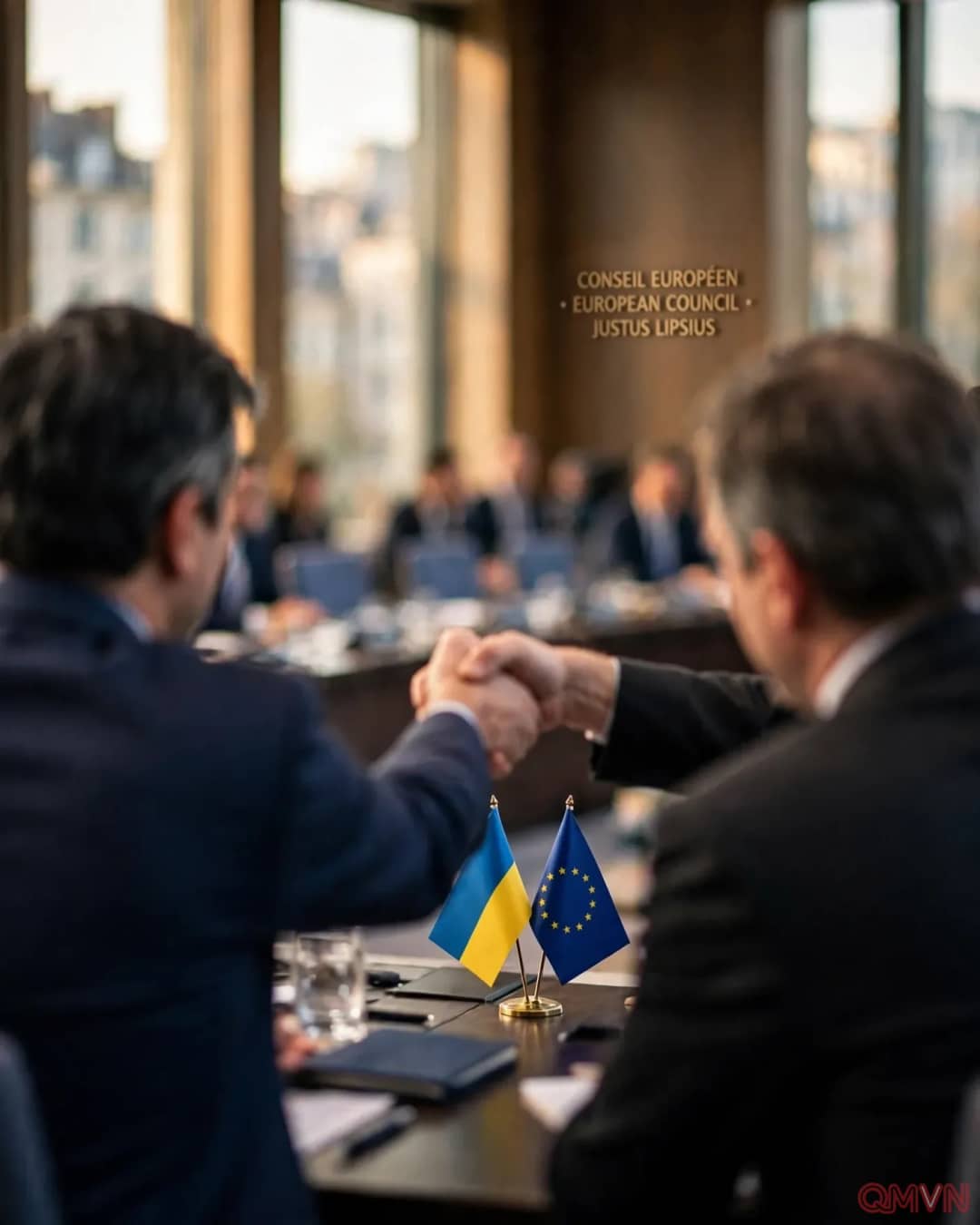
The announcement came in Brussels on Tuesday, October 13. Thomas Byrne, representing Ireland, which holds the rotating presidency of the Council of the EU, said the bloc had opened negotiations with Ukraine on standards linked to the internal market and competitiveness, two of the most demanding areas of the accession process.
These are not abstract chapters. They cover the rules that govern how goods, services, capital and people move across the EU's single market, as well as policies on business, innovation and industry. For Ukraine, aligning with them means reshaping large parts of its economy, from competition law to consumer protection, while still fighting a war.
The price of Budapest's consent
The breakthrough became possible only after Hungary lifted its objections. On Monday, Ukraine's parliament passed legislation widening the rights of Hungarian speakers and other minorities to receive education in their native language. The Hungarian government then backed the opening of the new talks.
The issue has long soured relations between the two neighbors. For years, Budapest argued that Ukrainian laws restricted schooling in minority languages for the Hungarian community in the western Zakarpattia region, and it used the EU's unanimity rule, under which every member state must approve each step of accession talks, as leverage. Kyiv's concession shows that on the path to Europe, respect for minorities is not a footnote but a core requirement.