MAIN STORY
A warning issued at Central Command
During his visit with Major General Avi Bluth, Lieutenant General Eyal Zamir said multiple security alerts and the sensitivity of the current period had raised the potential for escalation. According to the remarks released by the Israel Defense Forces and reported by The Times of Israel, the military must maintain operational freedom and respond promptly to any danger to Israeli civilians.
Zamir said the 98th Division had been sent to the West Bank to strengthen military deployment. Reinforcement should not be mistaken for confirmation that a major new offensive is already under way: the exact operational aims, deployment duration and subsequent actions require further reporting and official clarification.
He also described the army as ready to shift to larger offensive operations against forces seeking to harm Israeli civilians. That is a statement about military posture rather than proof that a new confrontation is inevitable. The distinction matters at a time when warnings can themselves fuel public anxiety.
The olive harvest becomes a protection test
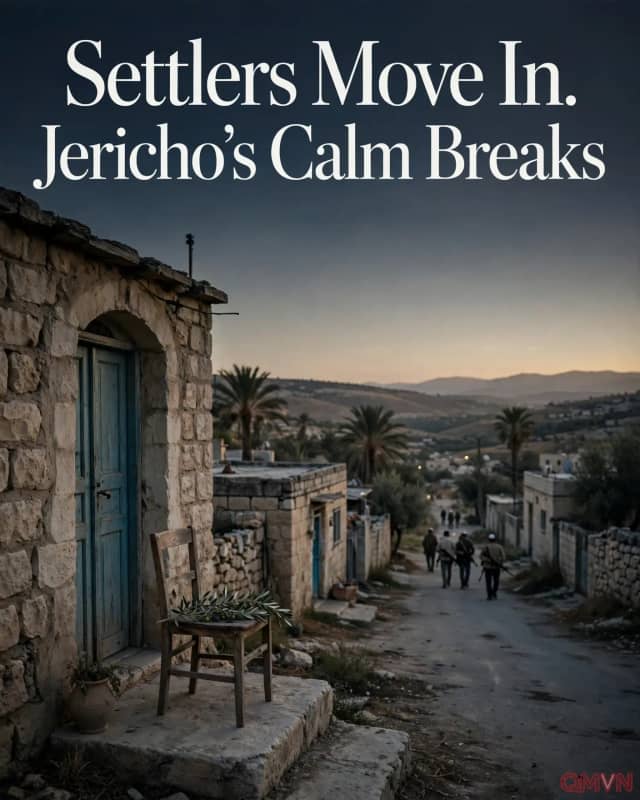
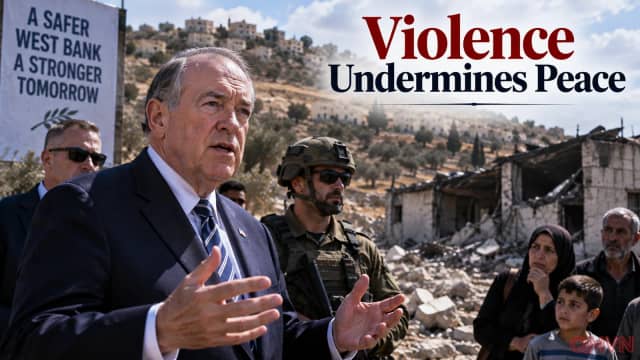
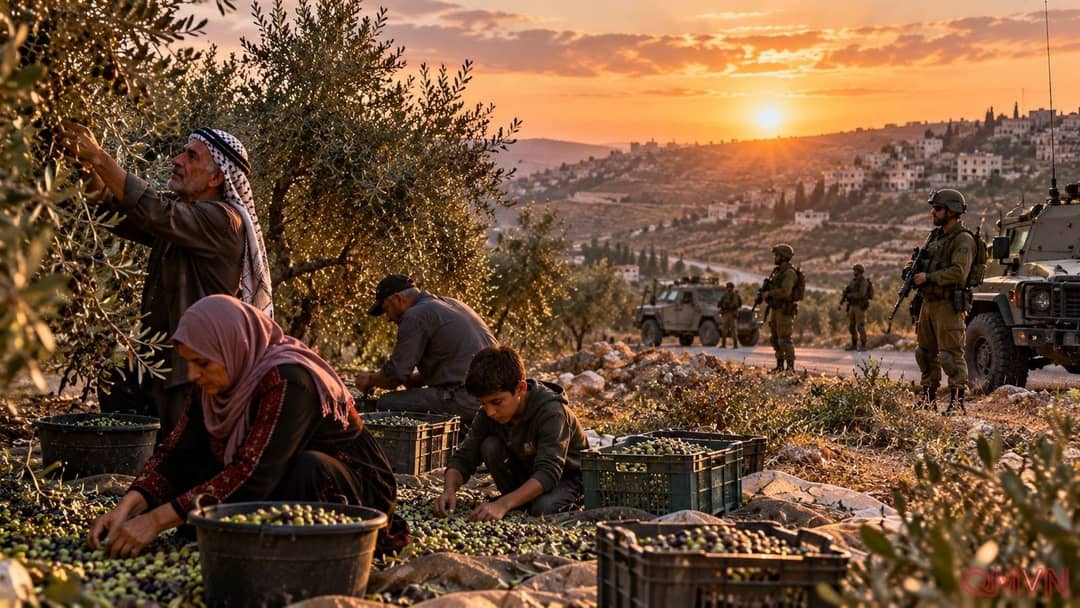
A notable part of Zamir’s message was the explicit condemnation of violent acts committed by Israeli settlers against Palestinians. He said troops would seek to enable harvesting while preserving public order and the security of everyone in the area, and called such attacks on innocent people unacceptable.
His appeal to use every available state instrument against settler violence has immediate meaning for Palestinian families. Olives are not simply a crop: for many households, access to ancestral groves determines a substantial share of seasonal income and helps sustain community life. Preventing assaults, keeping routes open and investigating attacks would offer a practical measure of whether the promise is being fulfilled.
Implementation is complicated by the proximity of farms to settlements, security roads and areas with access restrictions. Soldiers tasked with preventing armed attacks must also protect people who are not participating in hostilities. Effective protection demands consistent standards rather than different rules for different communities.
Independent reporting illuminates the risks
The West Bank’s insecurity is not confined to encounters with armed groups. The United Nations humanitarian office OCHA documented 264 settler attacks causing casualties or property damage in October 2025, the month of that year’s olive harvest. That figure describes the previous year and should not be presented as an October 2026 total.
Al Jazeera reported on October 9, 2026 that a Palestinian monitoring body had recorded at least 19 settler attacks that Friday, including reported assaults on harvesters, damage to trees and crop theft. Individual allegations require investigation and verification, yet the reports explain why promises of safe harvesting face close scrutiny.
Reuters separately described recent tensions at a Palestinian-owned café in Luban al-Sharqiya, where the owner accused settlers of intimidation. Such incidents contribute to a wider climate of insecurity. Evaluating Zamir’s remarks therefore requires tracking both threats against Israeli civilians and the treatment of Palestinian communities under military control.
What comes after the statement
Zamir’s message has two parts that should be judged together: readiness to counter violent threats and a refusal to tolerate attacks on innocent residents. Upholding only one part risks further eroding confidence in security institutions.
Public accountability, transparent investigations, lawful access to agricultural land and the conduct of soldiers at flashpoints will be more revealing than strong rhetoric. These are practical outcomes that residents can observe even if broader political negotiations remain stalled.
No speech can predict exactly where the next confrontation may occur. But in a landscape shaped by displacement fears and recurring violence, preventing an attack today may matter more to ordinary families than announcing preparations for a possible war tomorrow.