MAIN CONTENT
From a 2024 outpost to moving into eight houses on November 4
In Jericho, West Bank, residents and human rights groups said the takeover in al-Duyuk al-Tahta — just outside city limits and near an archaeological site Israel has invested in developing as a tourist destination — began with a nearby outpost built in 2024. Israel Ganz, head of the local council governing Israeli settlements in the area, posted on social media after settlers moved in on November 4 that they were writing a new chapter of Jewish life and had come home.
According to Palestinian residents, a major turning point came in February when settlers from the nearby outpost — emboldened by Israeli demolition orders on homes at the edge of al-Duyuk al-Tahta — drove trucks and tractors into the community and spent nearly eight hours looting and demolishing houses, after which the Israeli government legalized the outpost, settlers seized farmland and installed irrigation in October, and dozens of Israelis, some armed, entered eight Palestinian homes on November 4.
"We are writing a new chapter of Jewish life; we have returned home." Israel Ganz
Disputes over land legality and warnings from rights monitors
Settlers contend they hold documents proving purchase of the houses, but the validity of those claims is sharply contested:
Palestinian residents say they do not know how, when, or by whom the properties were sold, while most sit on agricultural land used for generations by Palestinian herders that Israel classifies as state land.
Under Israeli law, land designated as state land generally cannot be privately bought or sold, while under the Palestinian Authority — which administers semi-autonomous parts of the West Bank including Jericho — selling land to Israelis is a crime.
Israeli rights group B'Tselem called the arrival the latest bold, largely unpunished push to drive Palestinians off their land, warning of a Hebron-like reality marked by heightened military deployment, movement restrictions, and settler militia intimidation.
Monday's deadly clash and accounts from the Fheidat family
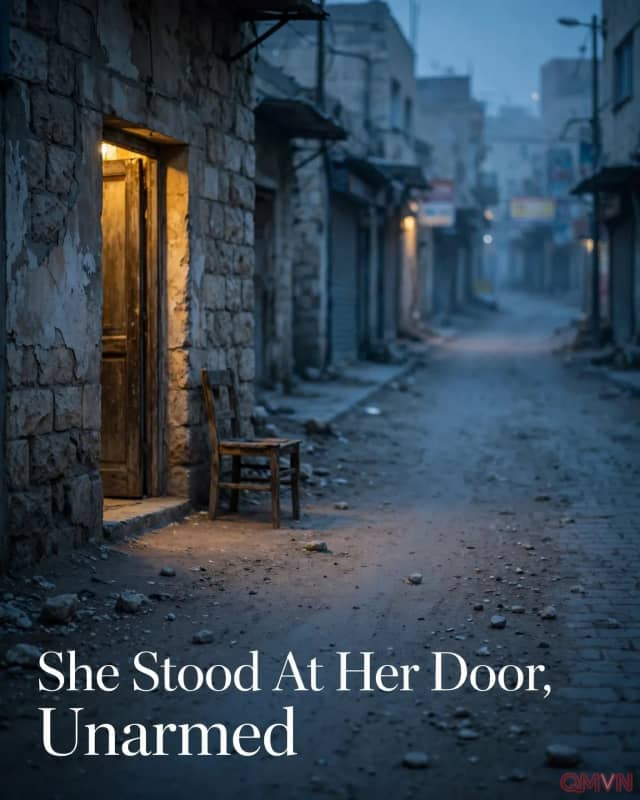
Almost immediately after arriving, settlers — often armed and in all-terrain vehicles — began patrolling the neighborhood, leading farmer Mustapha Fheidat to say residents faced identity checks and were blocked from reaching farmland from the main road; according to four Fheidat family members, a settler patrol sparked Monday's fatal clash after trading insults with residents and drawing stone-throwing by local youths.
The Israeli military said the sequence leading to Monday's fatal shooting is under investigation, citing accounts gathered by soldiers on scene that violence erupted after a Palestinian driver carried out a ramming attack on a settler's vehicle while youths threw stones, stating Fadda Fheidat was likely shot by an Israeli civilian with no arrests announced of Israelis over the shooting and two Palestinian men arrested over the ramming incident; meanwhile, witnessing Fheidat family members denied the collision was intentional, saying her son skidded while rushing to her side, and Na'ima Fheidat and Ahmed Fheidat recounted finding her shot in the head as Ahmed also suffered a leg wound.
"They started controlling our lives; they stop us and ask for our IDs and ask what we are doing here, preventing us from getting from the main road to our farms." Mustapha Fheidat