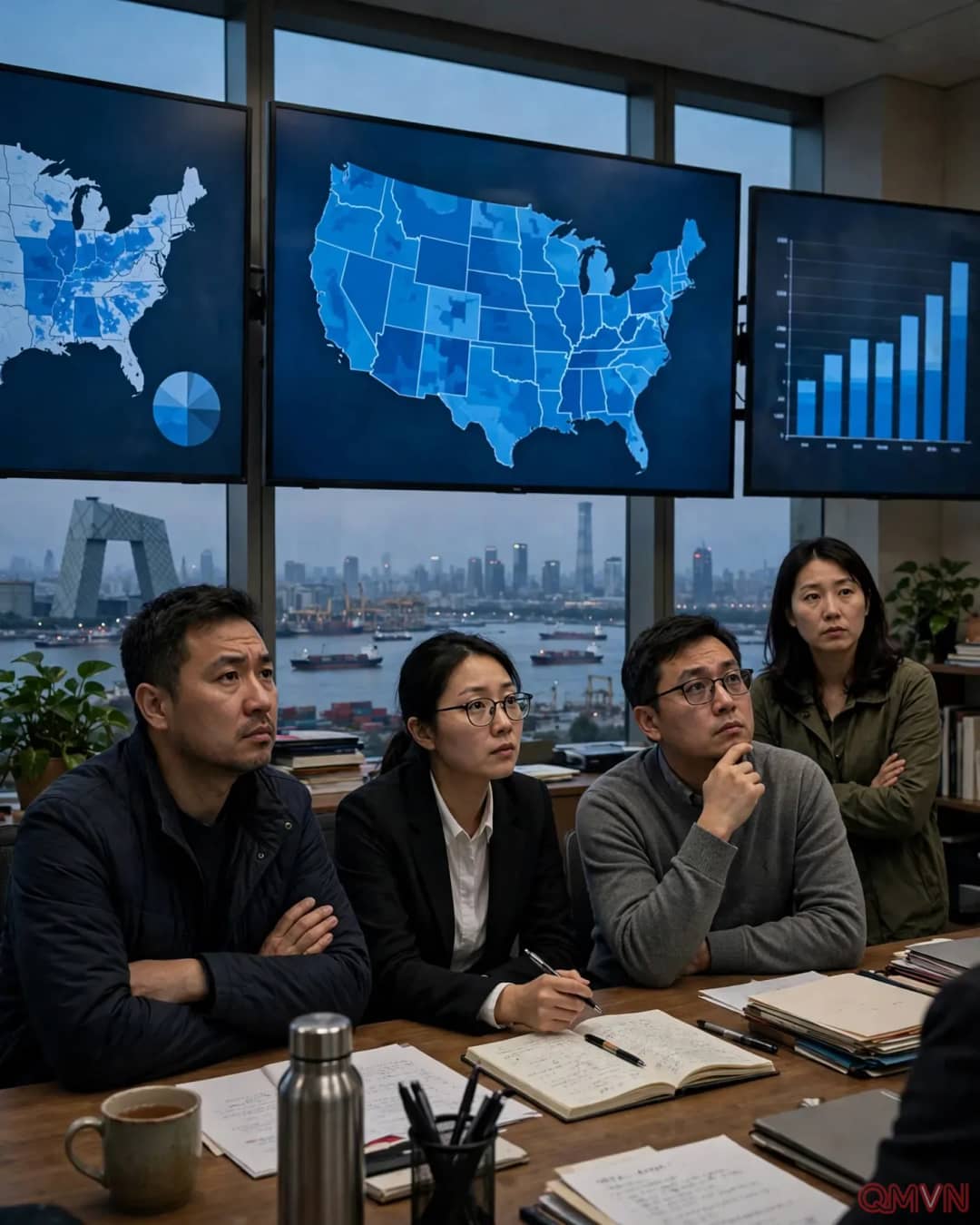
Tactical negotiation leverage and the strategic value of a two-year respite
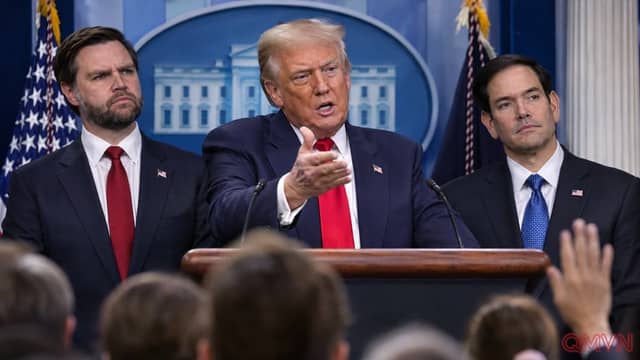
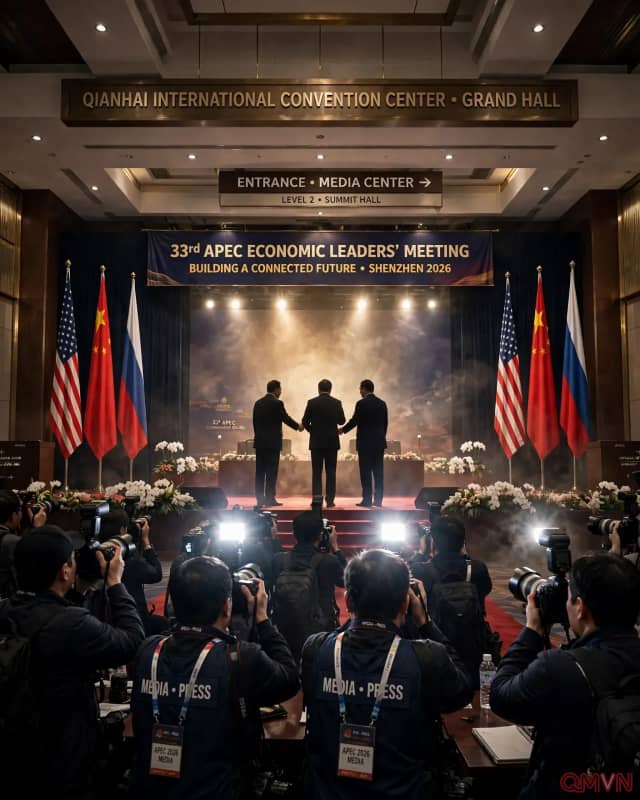
Voter backlash across the United States against surging household expenses—heavily exacerbated by protracted tariff conflicts—stripped the Republican Party of congressional control, leaving the White House politically vulnerable. This domestic setback makes Donald Trump far more desperate to preserve the fragile bilateral trade truce, presenting Chinese trade negotiators with tangible leverage as leaders prepare for summit engagements at APEC in Shenzhen and the G20 in Miami.
For strategic planners in Beijing, the arrival of divided government in Washington secures a vital two-year operational breathing space. This interlude offers China the indispensable opportunity to insulate domestic supply chains, reinforce monetary autonomy, and broaden non-Western trading alliances ahead of inevitable geopolitical friction.
If we can have two more years of stability, that's already a good thing for China; the more time we have, the better prepared we might be towards a final showdown on Taiwan or another trade war.