MAIN CONTENT
Funding an air shield that cannot be replenished overnight
Norway's contribution is channelled into PURL, a mechanism coordinating Ukraine's priority requirements with allied financing for American-made equipment. Unlike an immediate transfer of missiles already held in national arsenals, such funding can involve procurement procedures, supplier capacity and delivery timetables. A financial announcement therefore cannot be read as confirmation that a corresponding quantity of interceptors has reached Ukrainian crews.
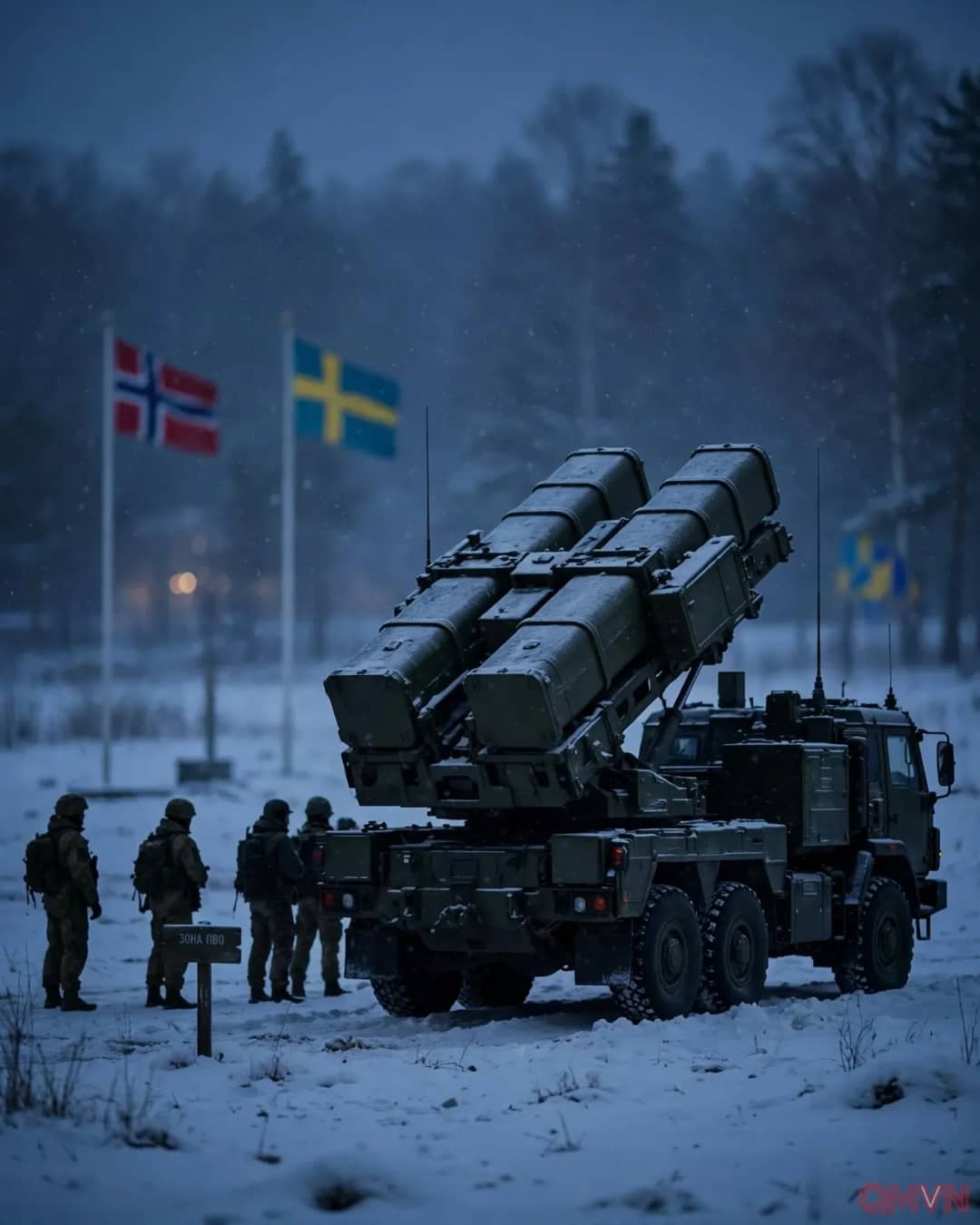
German Defence Minister Boris Pistorius said Germany and Norway would help finance a new package targeting PAC-2 and PAC-3 missiles for Patriot air-defence systems. These interceptors perform different roles within a layered defensive network. Patriot equipment is especially valuable against ballistic-missile threats, but radars, launchers, trained operators and stocks of ammunition must function together. Global demand for these sophisticated weapons makes replenishment a persistent challenge.
President Volodymyr Zelenskyy has repeatedly urged allies to accelerate deliveries. Manufacturing complex interceptors cannot be expanded overnight, and governments must balance transfers from existing inventories against new production contracts. The effectiveness of the latest pledges will depend less on the ceremonial headline figure than on whether allied coordination produces predictable, timely shipments.