MAIN CONTENT
A breakthrough after weeks of pressure
The announcement ended a period of uncertainty that had intensified after three unsuccessful bargaining rounds. Reuters reported on November 26 that the union planned a briefing at 1600 GMT to explain the result. At the point covered by that report, neither the headline percentage nor the duration of the settlement had been disclosed. Consequently, it would be premature to judge whether workers have secured a real increase in purchasing power or whether employers have obtained enough flexibility to manage the downturn.
The union had previously called for full-day warning strikes. Its published bargaining materials describe a campaign built around a five percent pay demand, job security and participation in profits at successful businesses. These were negotiating objectives rather than confirmed terms of the agreement. The distinction is important: an opening demand expresses what one side wants, whereas the final contract records the compromises both sides accept.
The industrial challenge behind the wage dispute
Germany’s manufacturers face several overlapping pressures. In automotive markets, Chinese competition is challenging established business models while additional American tariffs complicate access to an important export destination.
These developments can squeeze margins even when factories remain busy. A company that earns less on each vehicle or machine has fewer resources available for wages, investment and debt repayment.
But the sector is not economically uniform. Firms supplying different markets can experience very different orders and margins. For employees, a national pay framework can provide predictability and protect purchasing power; for employers, the challenge is to maintain competitiveness without assuming that every business can absorb the same financial shock. This explains why the debate encompasses employment arrangements rather than pay alone. A sustainable compromise must be assessed against the actual wording of the contract, including any exceptions and implementation dates.
Why the regional precedent matters nationwide
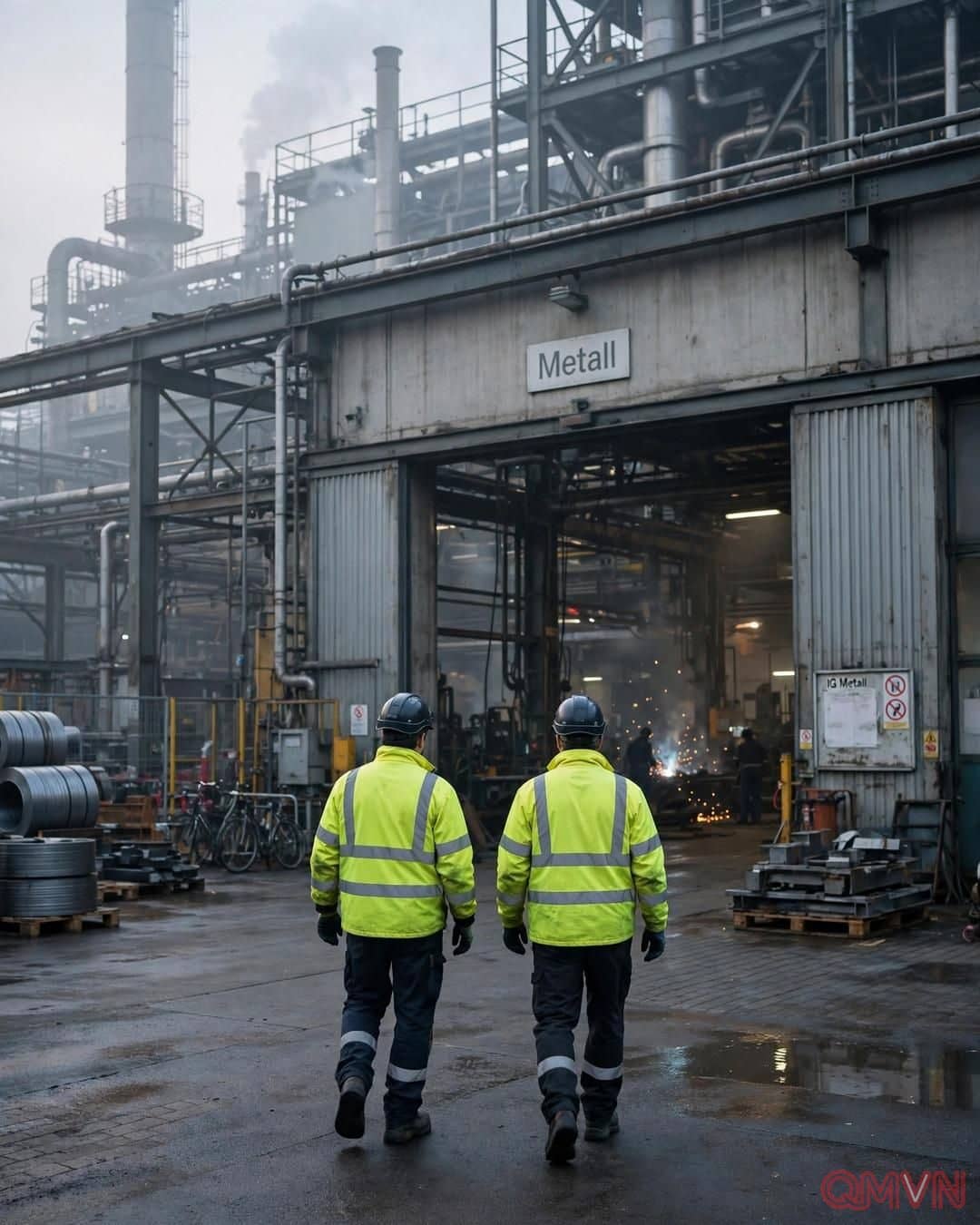
IG Metall explains that negotiations in this industry take place through regional bargaining structures. A settlement reached in a leading region may be adopted elsewhere, giving a local breakthrough national significance without automatically extending its legal effect to every worker. Reuters described Thursday’s agreement as a pilot covering western and southwestern industrial centres. Die Welt also reported that the agreement followed lengthy negotiations in Mannheim.
The model can reduce duplication by establishing a common reference point for subsequent settlements. It also allows regional employers and union representatives to consider their particular circumstances. The figure of 3.7 million describes the size of the industry, not a verified count of individuals already receiving the new terms. Workers will need to examine the agreement applicable to their own employer before calculating changes to their income or employment conditions.
From a wage settlement to industrial renewal
A collective agreement can make future labour expenditure more predictable and reduce the immediate risk of further disruption. It cannot, on its own, restore demand for exports, remove trade barriers or resolve the technological challenges confronting carmakers. Those issues require commercial decisions, investment and broader economic adjustments over a much longer horizon.
The next test is implementation. Workers will want to know when new pay rates apply, whether additional payments are included and what employment safeguards actually require. Employers will need to consider the costs alongside expected orders and investment plans. The settlement is therefore an important procedural achievement, but its economic impact depends on provisions that were not yet public in the initial report.