MAIN CONTENT
A wider net around oil revenues
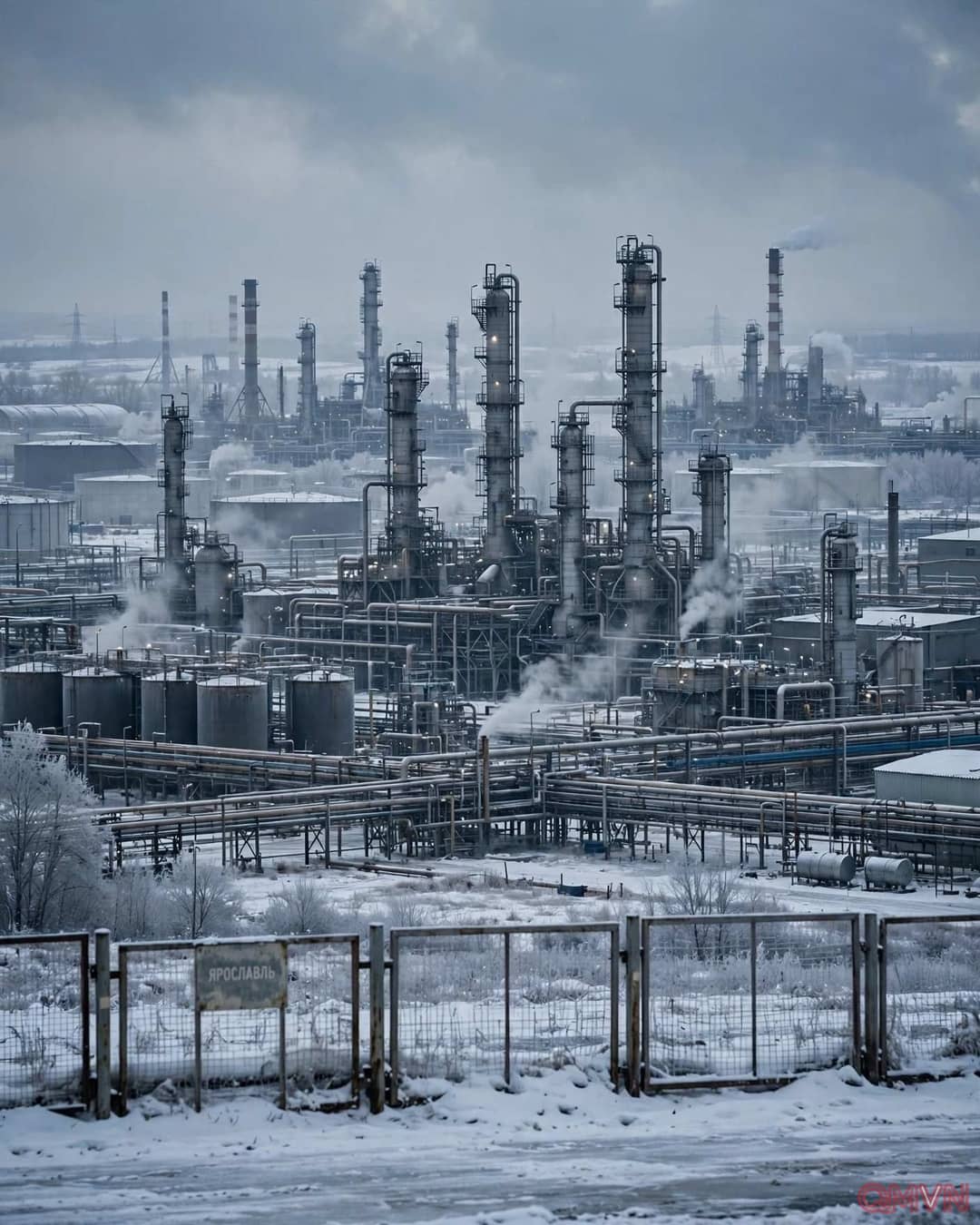
The latest British package puts Slavneft alongside major Russian energy businesses already subject to UK restrictions. London says that this completes its coverage of Russia’s ten largest oil producers. That description reflects the British government’s designation strategy; it should not be confused with a claim that Russia’s oil production has been stopped or that every purchaser worldwide is legally barred from buying Russian oil.
The package also reaches beyond upstream production. According to Reuters, it includes ships transporting oil and liquefied natural gas, large coal companies and Rosneft’s Vostok Oil project. By applying measures to multiple links in the energy chain, British officials are attempting to complicate the commercial arrangements through which exports generate income. The precise operational impact will depend on individual designations, applicable prohibitions and how effectively they are enforced.
Why shipping matters as much as production
Oil revenues arise only when output reaches customers and payment can be collected. That is why transport and related services have become central to the sanctions debate. Restrictions on designated vessels can make insurance, port access, financing and commercial counterparties more difficult to secure where British rules apply. They can also shift activity towards less transparent routes rather than eliminate trade outright.