MAIN CONTENT
A proposal, not a new prohibition
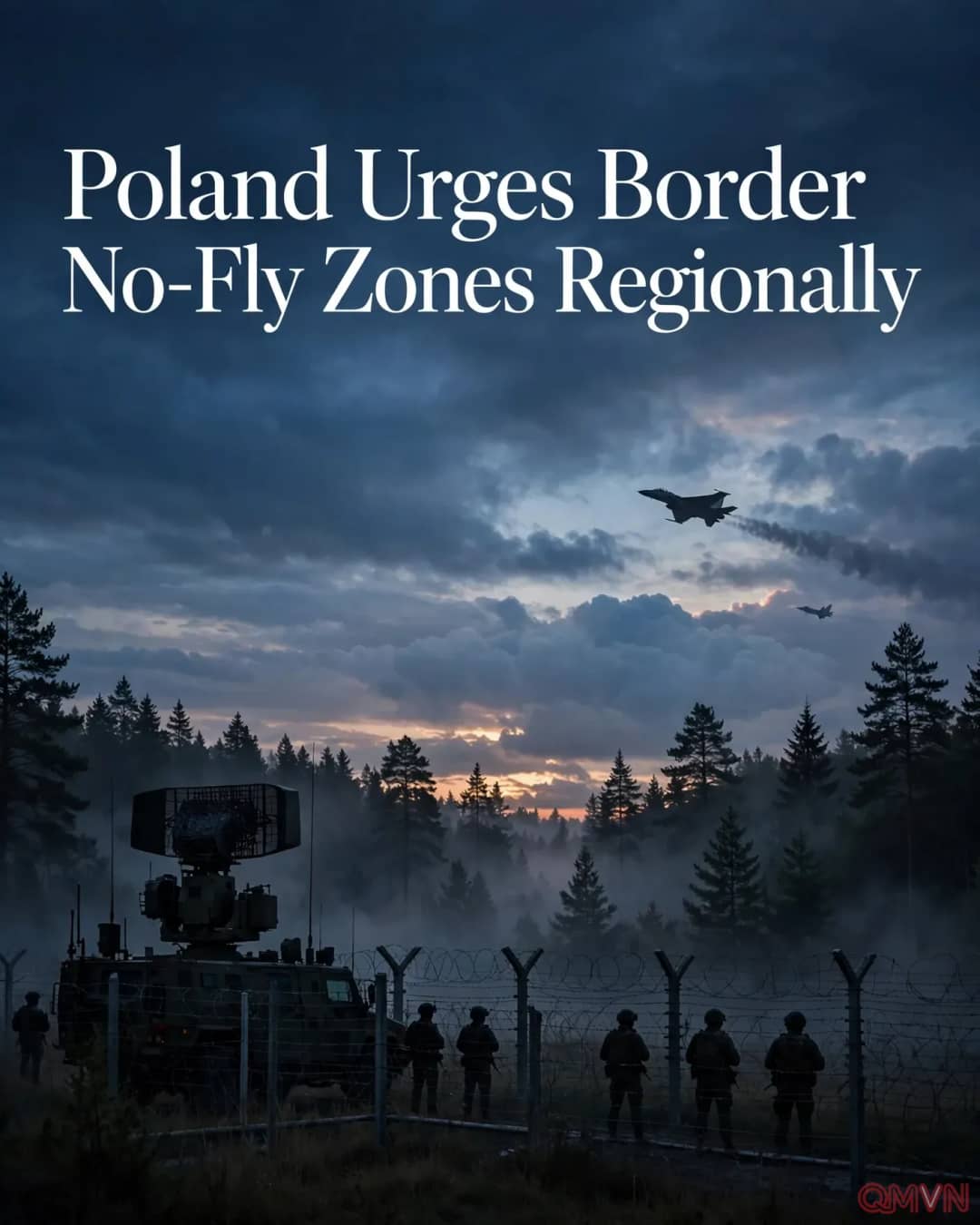
Tomczyk’s remarks describe an additional protective measure within Polish territory, rather than a decision to impose restrictions over Ukraine. Existing Polish border flight restrictions already accommodate limited exceptions, including essential medical aviation, according to Reuters. The new proposal would change the regulatory environment, but the final scope and conditions remain to be established. For civilian operators, authoritative aviation notices will matter more than preliminary political statements.
The regional dimension
The initiative comes amid repeated concerns about incursions into allied airspace. Reuters reported that NATO Secretary General Mark Rutte reaffirmed the alliance’s commitment to Polish security on November 21. NATO’s official account also records consultations following airspace violations in Poland and Romania in August 2026.
These developments provide context for Warsaw’s emphasis on shared responsibility, but do not establish that other members have agreed to the proposed restriction. National decisions and alliance coordination are related, yet distinct processes.
Civilian safeguards and public confidence
Flight restrictions can affect businesses, private aviation and public services. Any new framework will need accessible rules, clear exemptions and reliable communication with affected communities. Emergency medical services illustrate why a safety regulation must account for competing public needs. The public interest lies not only in reducing security risks, but also in maintaining predictable administration. Clear publication of the final rules would help distinguish authorised activity from prohibited activity and avoid confusion among travellers and operators.
What comes next
The immediate question is whether Poland will publish a regulation within the period suggested by Tomczyk. A second question is whether neighbouring governments will pursue comparable policies under their own laws. Neither outcome should be treated as settled. NATO’s broader role is to coordinate collective security while members retain responsibility for domestic aviation regulation. A measured assessment will therefore examine the legal text, civilian safeguards and official allied responses rather than assume that an announcement has already produced a regional policy.