MAIN ARTICLE
Two warnings, several weeks apart
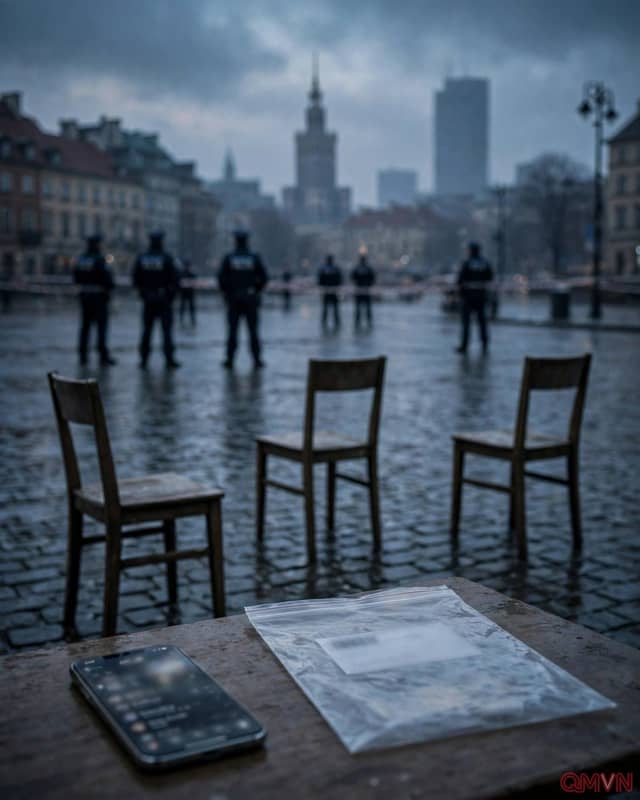
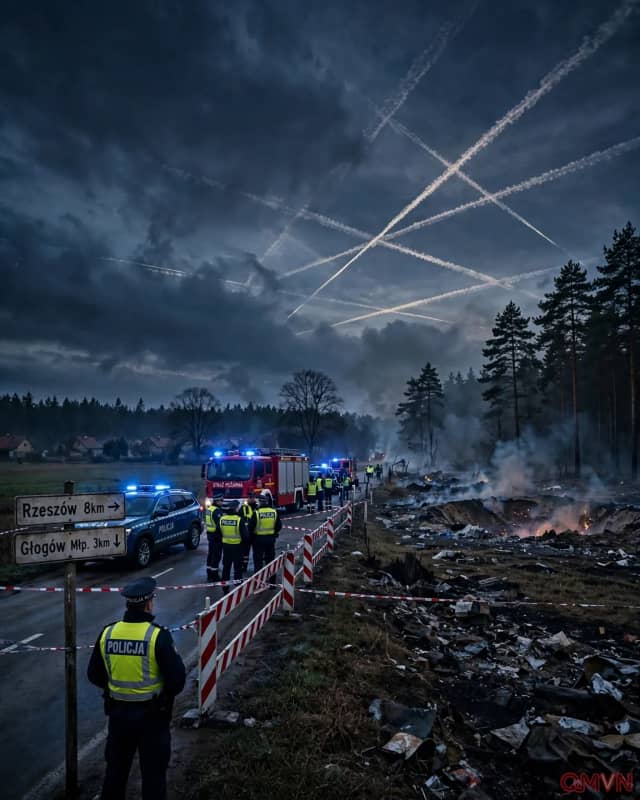
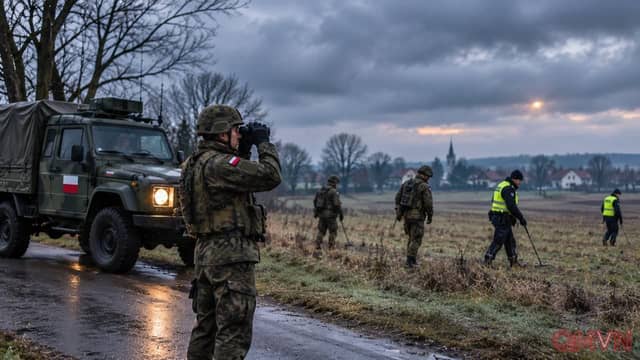
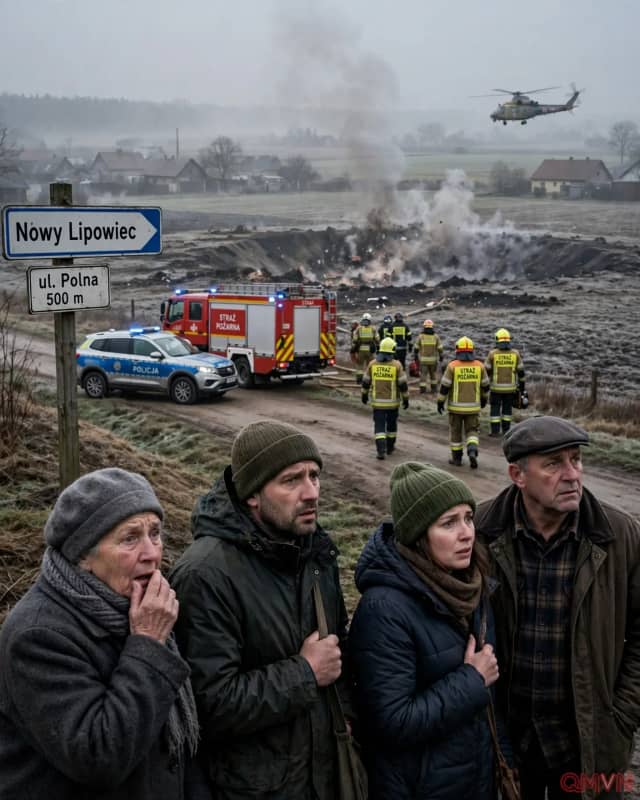
Poland’s Foreign Ministry says the earlier alleged attempt was stopped in August 2026. A Russian national suspected of being recruited for the operation was detained on August 7. Prime Minister Donald Tusk discussed a thwarted plot in Warsaw that month without naming the intended victim. The link to the Danish case became public only after officials in Copenhagen described their own investigation.
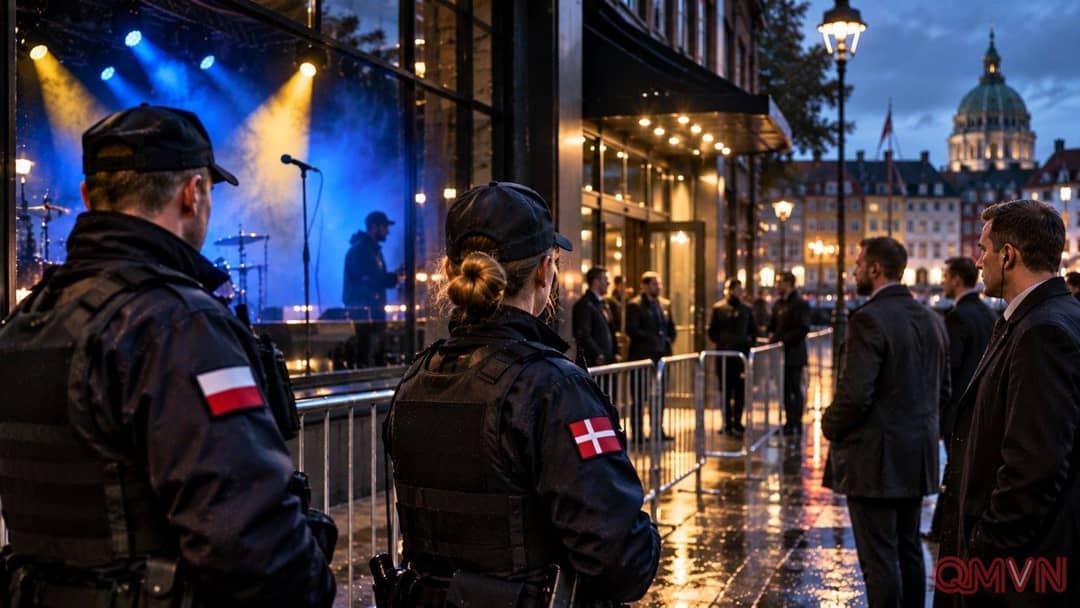
Danish authorities say the second alleged plan centered on September 25, when Kyivstoner was expected to perform north of Copenhagen. Police intervened before an attack occurred. Two Danish men appeared in court facing allegations of attempted murder and assisting a foreign intelligence service. These remain charges, not convictions, and the evidence must be tested through the judicial process.
A concert becomes a national security question
Denmark’s Security and Intelligence Service, PET, assessed that Russian intelligence planned the attempted attack, potentially relying on individuals connected to a banned Danish gang. That assessment moves the matter beyond ordinary venue security: investigators must examine whether criminal contacts were used to conceal a cross-border operation and who directed it.
Denmark expelled a Russian defence attaché after announcing the case. Russia’s embassy in Copenhagen rejected the allegations as lacking substantiation. Two alleged plots involving the same person do not, by themselves, resolve every question about coordination, authorization or individual responsibility. Those questions require corroboration, documentation and legal scrutiny.
Why the musician drew attention
Albert Vasiliev, known professionally as Kyivstoner, holds Ukrainian and American citizenship and has publicly supported Ukraine during Russia’s war. He was touring Europe before some performances were cancelled over security concerns. Such threats affect more than the performer: audiences, employees and event organizers must weigh personal safety against the freedom to participate in cultural life.
Russia’s Federal Security Service, the FSB, previously accused Vasiliev of involvement in supplying drones for an alleged operation against a defence facility in the Moscow region. Danish media reported that he denied the accusation. Neither an intelligence allegation nor a public denial should be presented as an independently established conclusion without supporting evidence.
A diplomatic response, and its limits
Danish Foreign Minister Lars Løkke Rasmussen discussed possible additional restrictions on Schengen visas for Russian nationals. Poland’s Foreign Ministry supported Denmark’s suggested curbs. Any wider European policy would need to balance legitimate security priorities against legal obligations and consequences for people unconnected to the cases.
European officials describe the allegations against Russia in the context of broader fears about sabotage and covert disruption since the full-scale invasion of Ukraine in 2022. Moscow denies the wider accusations. Beyond sharp rhetoric, the immediate priorities are practical: protect vulnerable individuals, share reliable intelligence, investigate transparently and uphold the presumption of innocence for defendants.