MAIN CONTENT
A name that carries a city
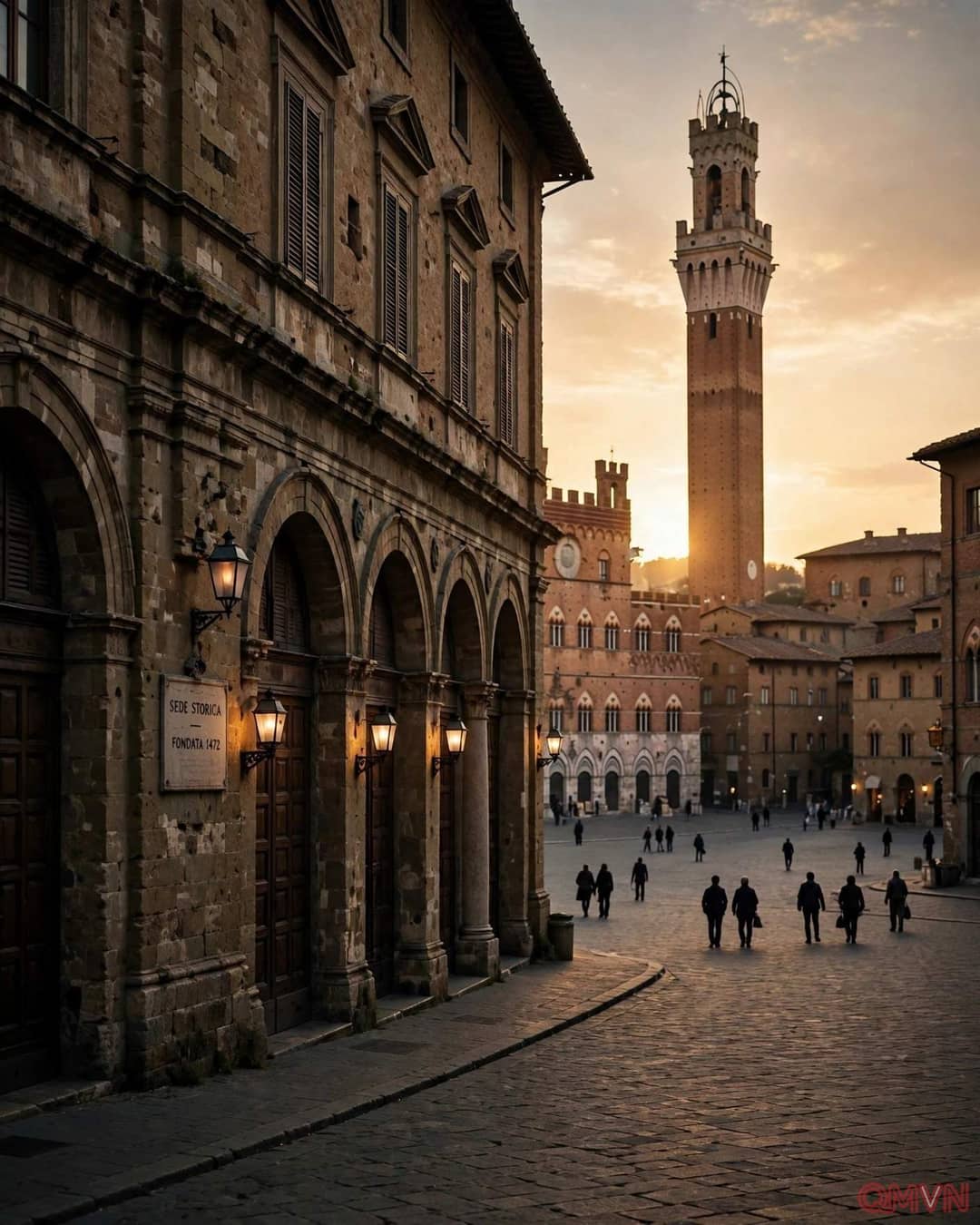
Monte dei Paschi di Siena is not merely a commercial label. It identifies a bank whose origins are inseparable from the institutions and citizens of Siena. Founded in 1472 as a charitable lending institution, it developed over centuries into a major financial group. That continuity has made its name a form of shared civic memory, even as the business endured successive crises and reinventions.
At a parliamentary hearing on Thursday, Messina acknowledged that the proposal had evolved. In Reuters' account, he said eliminating the geographic reference would have been a grave error. He also said Cimbri had made a commitment to maintain it. That is a statement of intent by executives, rather than confirmation that every part of the takeover and subsequent transfer has been completed.
A takeover with several moving parts
Intesa’s bid is not simply a plan to absorb a competitor under one roof. It envisages dividing the acquired business, with Unipol taking about half of MPS’s branches, its central offices and the brand.
Reuters reported in late October that MPS shareholders had rejected a defensive strategy advanced by chief executive Luigi Lovaglio, weakening resistance to the acquisition. The transaction was reported at roughly €33 billion at that stage.
The proposed structure creates practical questions. Customers will want to know which institution manages their accounts and how service changes; staff will look for clarity about their roles; shareholders will consider the economics of the division. A historic name may remain familiar while the ownership, technology and distribution networks behind it change substantially. Those outcomes require examination beyond Thursday’s branding pledge.
Competition and public scrutiny
Italian authorities have reason to scrutinize a deal of this size. The Italian Competition Authority announced in September that it was investigating Intesa’s proposed acquisition for potential effects across local and national banking and insurance markets. Such review reflects a basic tension: larger financial groups may seek scale and efficiencies, while customers and smaller businesses rely on meaningful choice among lenders.
The proposed sale of branches to Unipol is relevant to that debate, but should not automatically be described as an approved remedy or final outcome. Competition analysis depends on the actual markets and conditions involved. Messina’s remarks before parliament also demonstrate that questions about Siena’s place in the transaction extend beyond branding departments into public debate.
What preserving the name can—and cannot—do
Keeping the full name would allow the surviving brand to acknowledge the institution’s Tuscan roots at a moment when control is changing. It could help preserve recognition among households and businesses accustomed to the bank. For Siena, retaining its name in an important financial institution matters symbolically even if it offers no guarantee that employment and decision-making remain local.
The next tests will be concrete: how the banks structure their operations, what regulators decide, and whether customers experience continuity. A promise about identity can be meaningful without resolving those challenges. The lesson of the unfolding takeover is that a bank’s heritage is both an asset worth protecting and a responsibility that cannot be discharged through words alone.