MAIN STORY
When heat becomes a workplace hazard
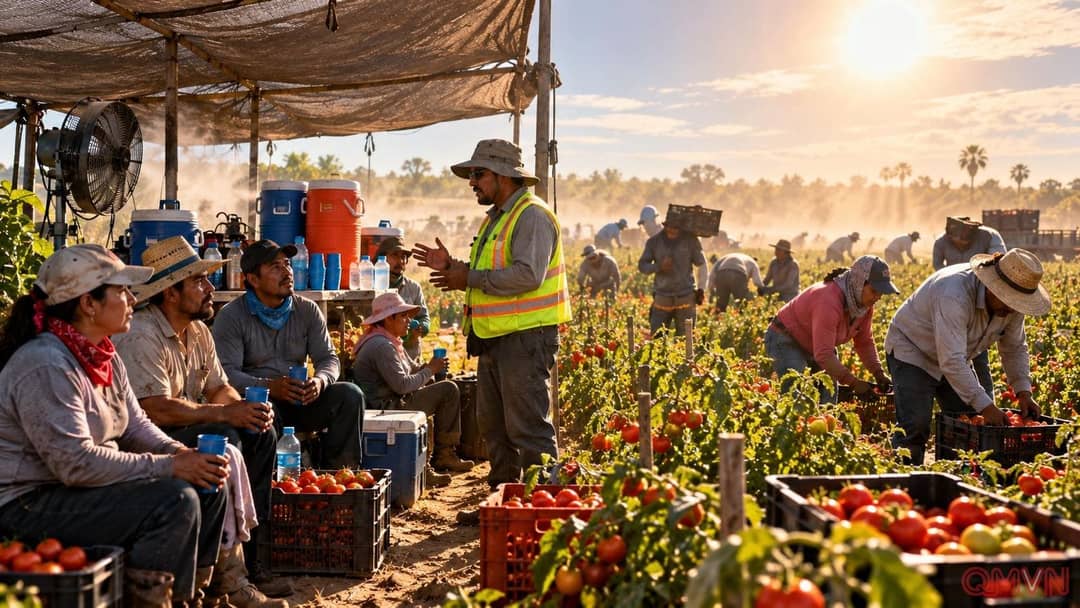
Lucas Benitez began picking tomatoes in Immokalee as a teenager and says the heat workers face today is unlike what they experienced three decades ago. Harvesting requires bending, lifting and moving for hours in the sun, often under pressure to keep pace. Similar exposure can confront people tending greenhouse plants, handling meat in poorly ventilated facilities or loading warehouses without cooling. The Guardian reported on October 18 that heat-related deaths have sharpened concern over such jobs. Extreme temperature is not simply uncomfortable working weather: it can become a life-threatening occupational hazard.
Dizziness, cramps and collapse may be overlooked when earnings depend on hours or output. Water is essential but not sufficient by itself. Rest breaks, cooler places, training, the ability to summon help and prompt medical attention all matter. Researchers are also investigating long-term kidney injury associated with repeated heat exposure and dehydration. Many low-paid and migrant workers have little bargaining power and may hesitate to report symptoms or unsafe conditions when they fear dismissal or retaliation. That vulnerability is precisely what safety rules must address.