The shame behind an application
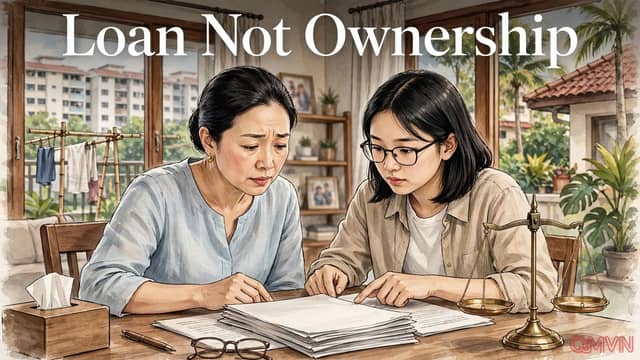
What stayed with Lina was not the paperwork but the feeling. It is an experience shared by many who turn to the state for help for the first, or second, time: a sense of having failed in their duty to their family.
*“Shame... It felt like I had failed my children and myself.” — Lina*
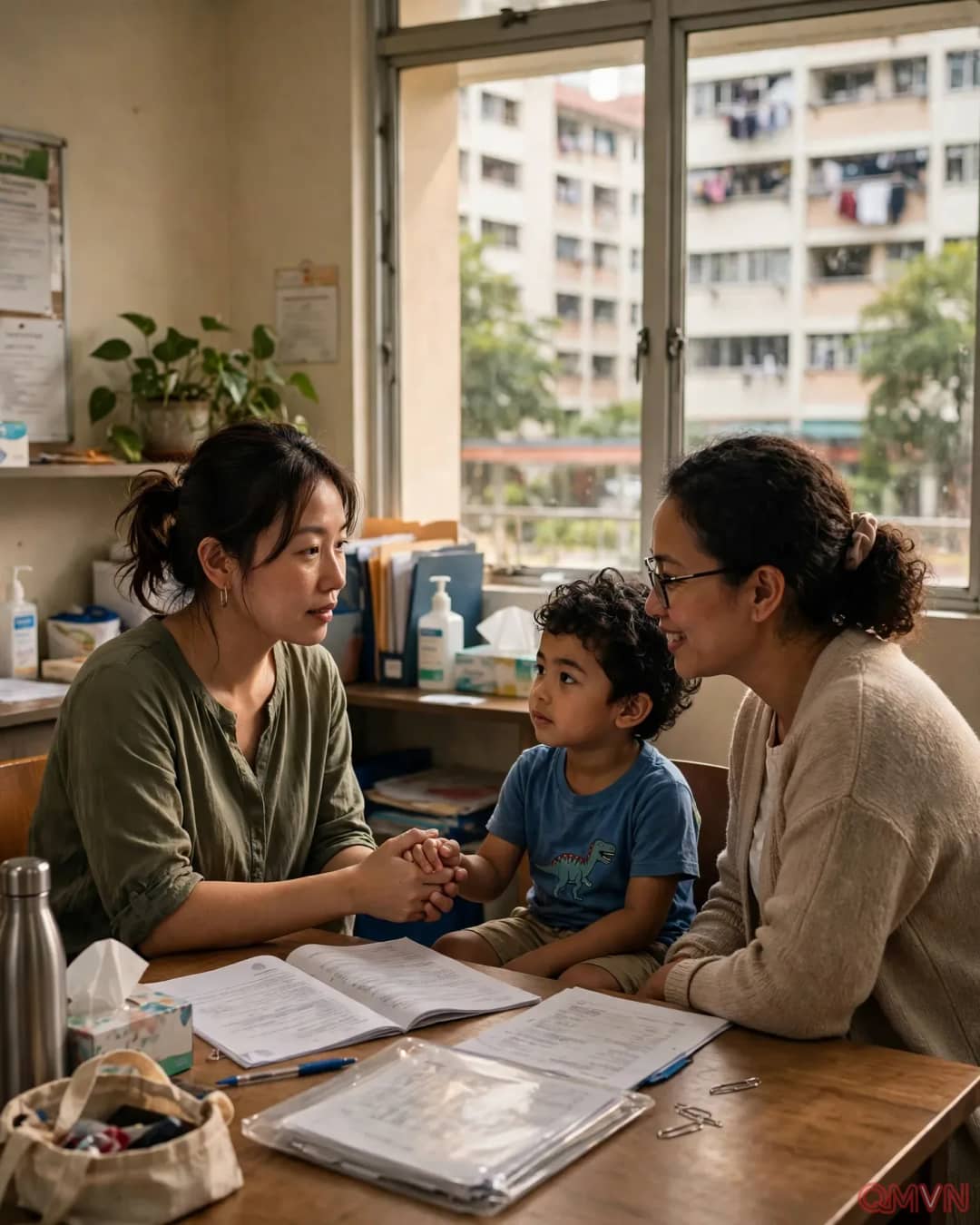
According to Cindy Ng-Tay, much of the quiet work of giving people the assurance and confidence to weather adversity goes underrated. Meanwhile, that very sense of shame can make families hesitate, seeking help only once their difficulties have piled up.
A road that is not straight
MSF data reflect the reality that the journey out of hardship is rarely a straight line. The ministry’s latest report shows:
- Fewer households received ComCare assistance, but total disbursements rose thanks to higher short-to-medium-term and long-term assistance rates.
- Return rates within 12 and 24 months were higher for households that exited assistance in 2022 than for those that exited in 2021.
- MSF said the trend likely reflects a shift back towards pre-Covid-19 patterns.
In other words, a family may stand firm for a while, then falter again after a job loss, an illness or rising living costs. Their return shows that the safety net is doing its job.
A more flexible safety net
Amid cost pressures from the situation in the Middle East, Singapore has stepped up temporary support for lower-income households. From August 17 to December 31, 2026, eligible households receiving ComCare Interim Assistance get at least 250 Singapore dollars a month for up to three months. The per capita household income criterion of 800 Singapore dollars a month is also being applied more flexibly, so that struggling households can apply even if their income is above that threshold.
MSF stresses that ComCare income criteria are not hard thresholds and that its Social Service Offices assess applicants’ circumstances holistically. Alongside this, the ComLink+ programme walks with families over the long term towards three goals: stability, self-reliance and social mobility.