MAIN ARTICLE
A comeback with a different business model
Daniel Ong plans to bring The Rookery back as a bistro-cafe at the Singapore University of Technology and Design in Changi. His earlier steakhouse brand, Dan’s Steaks, began as a home operation in 2020 and eventually reached four locations. The last outlet is scheduled to close in December 2026, following escalating costs and substantial debt. A campus location represents a different customer base and an opportunity to reconsider the assumptions behind his previous expansion.
The challenge is not simply finding a cheaper premises. A sustainable outlet requires a realistic estimate of daily demand, adequate staffing and a menu whose prices can cover both direct and fixed expenses. A celebrity founder can attract attention, but the business must continue functioning when that person is absent.
Partnerships that complement creative talent
Suhaimi Yusof previously ran a coffee shop while maintaining a demanding entertainment career. The workload and a proposed fourfold rent increase eventually persuaded him to leave.
On November 27, 2026, Simply Gemilang, a live-music restaurant in Bras Basah, is due to open with Suhaimi as a founding partner, host and ambassador alongside Tin Box Group. The arrangement allows him to contribute creative ideas without personally managing every operational task.
Rapper Yung Raja took a comparable approach with The Maha Co, launched in 2022 with entrepreneur Ong Weiquan. Its Indian-Mexican concept draws on a family recipe, while the partnership combines Raja’s public profile with business experience. The contrast with solo entrepreneurship suggests that assigning responsibilities clearly can be as important as inventing a distinctive dish.
Growth without multiplying rental commitments
Syarif and his wife Malaque Mahdaly started Chulop! in 2015. Subsequent closures at JCube and of the Missus cafe caused considerable losses, according to their account in The Straits Times. The entrepreneur now favours generating more revenue from existing premises rather than automatically adding stores. Catering, dessert tables and gifting can extend the use of existing facilities without necessarily taking on another lease.
Taufik Batisah and his partners likewise learned from a short-lived second Chix Hot Chicken outlet during the pandemic. They retained funds within the business, later opening a larger flagship on Prinsep Street in 2025. Their experience highlights the value of cash reserves: expansion should be financed by a business capable of absorbing disruptions, not merely by optimistic expectations of future sales.
Hospitality beyond celebrity appeal
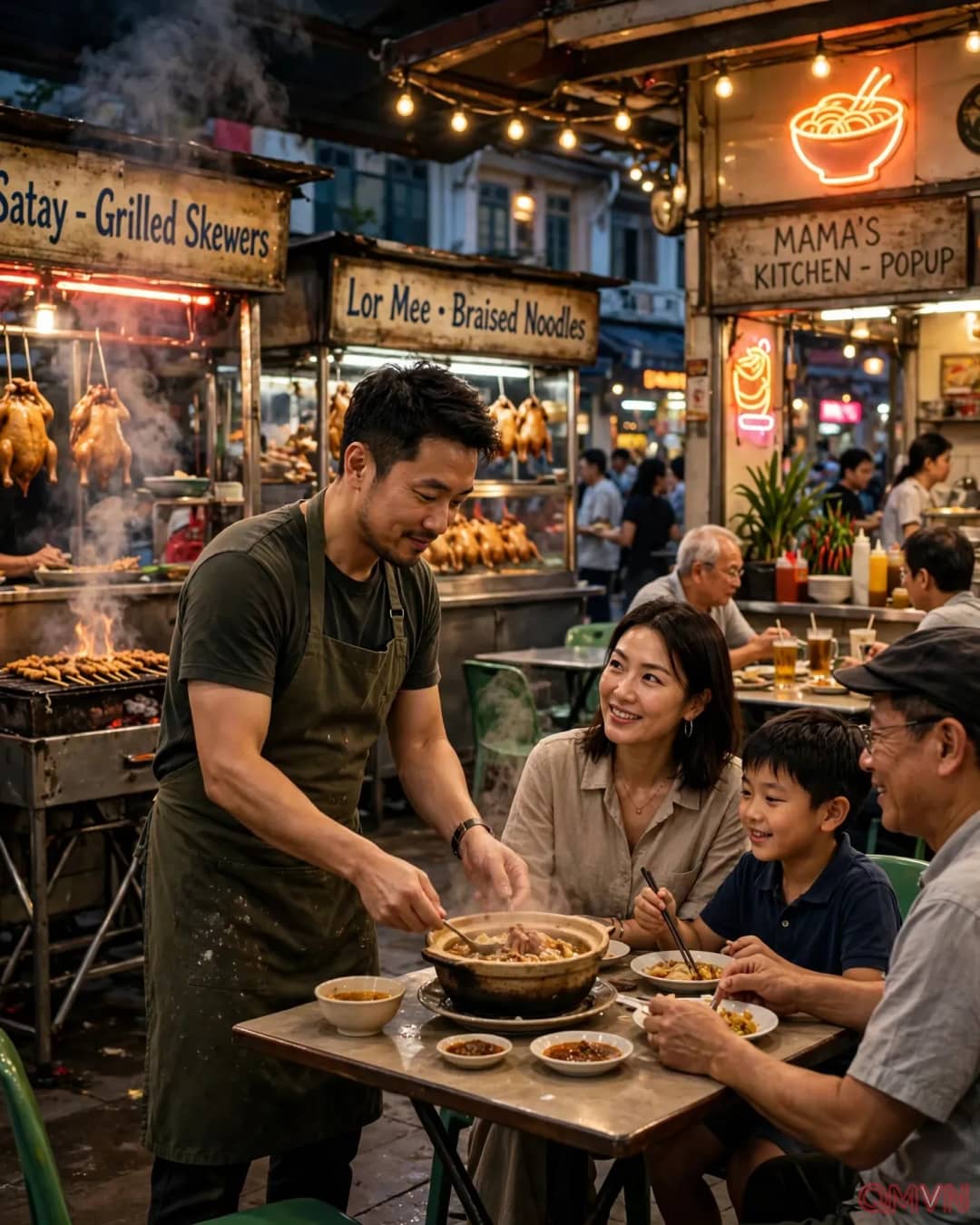
Sheikh Haikel and Anna Belle Francis have continued operating Hai Ge Ji after earlier restaurant ventures closed and an expensive relocation in 2026. The restaurant’s Friday distribution of free porridge reflects a neighbourhood tradition in Kampong Gelam. Meanwhile, actor Huang Yiliang has chosen a narrow menu and hands-on stall operation rather than rapid expansion.
These approaches are different, but both demonstrate that a restaurant can be built around a clear purpose instead of publicity alone. Customer loyalty depends on consistent food and service. Owners must also consider the demands placed on employees and themselves: a model that requires relentless personal sacrifice may not remain sustainable even when sales look encouraging.