A hub of the wildlife trade
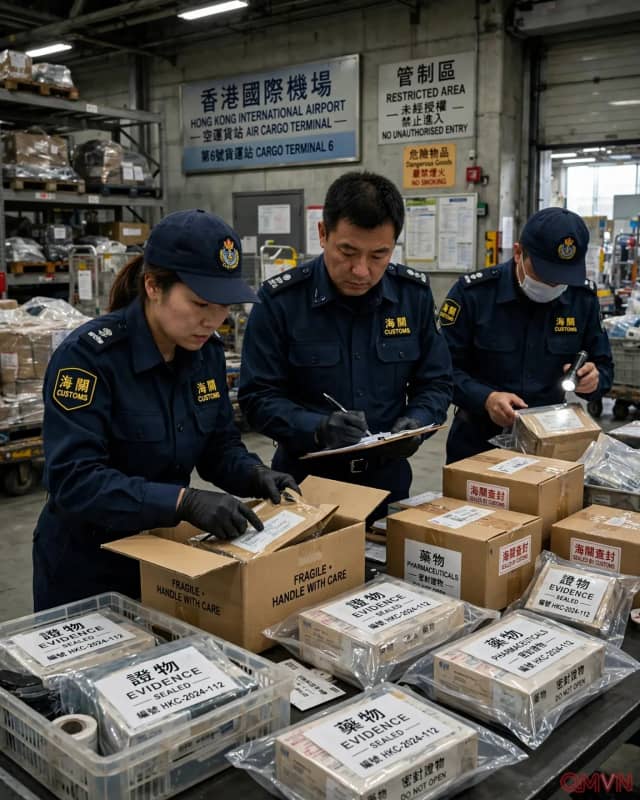
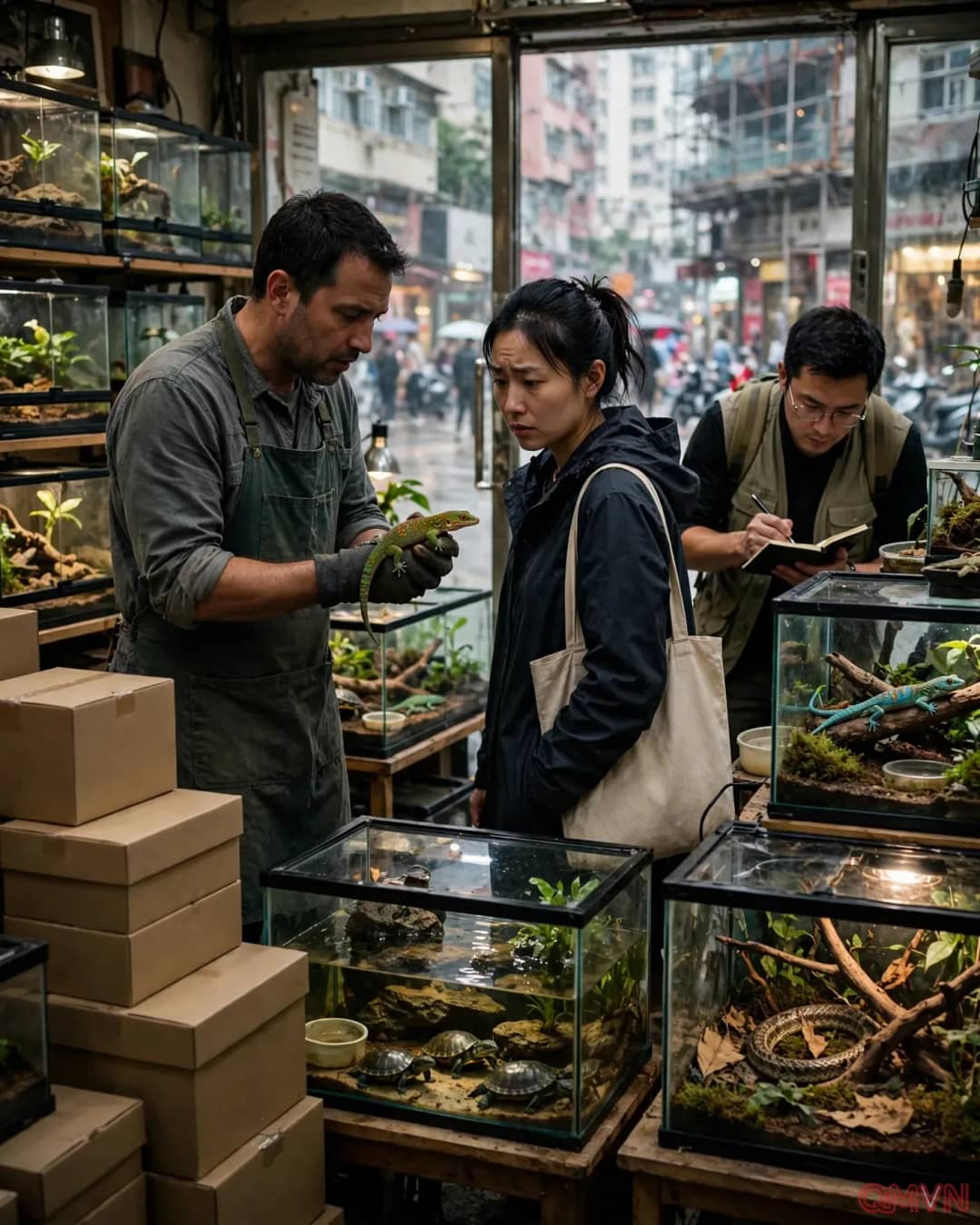
The figure of 3.7 million animals in six years shows the enormous scale of Hong Kong’s exotic pet market. According to conservation groups, an import rate of about 80 animals an hour has far outpaced the capacity of the current legal system, raising the risk of diseases passing from animals to humans and of invasions affecting native species.
The call for a “Positive List”
At the Legislative Council session, organizations including ADMCF, WWF-Hong Kong, Kadoorie Farm and Botanic Garden (KFBG) and the SPCA, along with several lawmakers, put forward a joint proposal. Legislator Elizabeth Quat said the government should review and update such a list regularly, and also revisit the legal definition of “animal”. The main points raised include:
- Only species on an approved list could be imported, sold and kept as pets.
- The list would need to be reviewed and updated in a timely manner.
- The definition of “animal” in current trade regulations excludes amphibians and invertebrates and needs to be revised.
The model is already in place in regional neighbors such as Singapore, which bans the keeping of most exotic wildlife, and South Korea, which recently enacted legislation regulating exotic pet cafes and private ownership.